
China Manufacturer of 24 inch interlocking rubber gym tiles
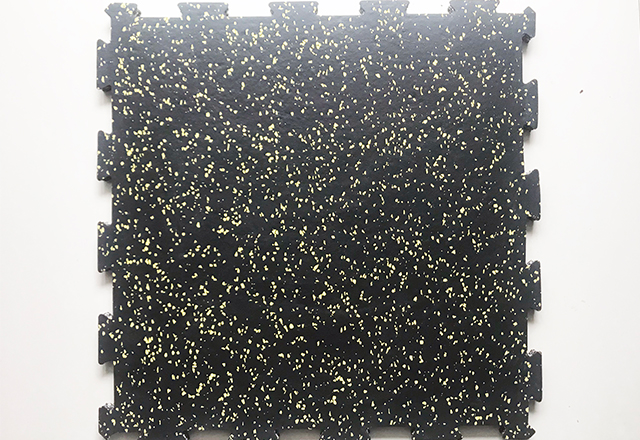
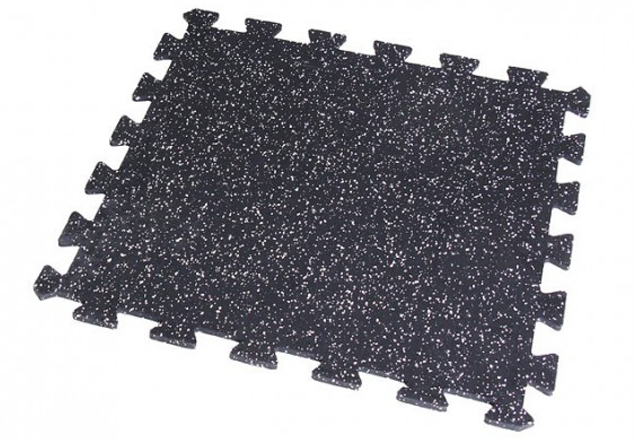
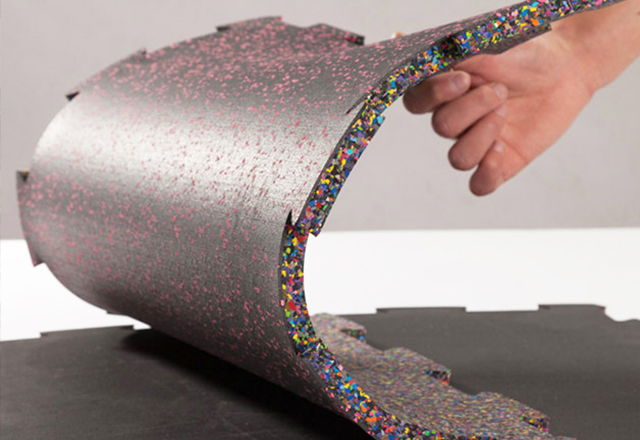
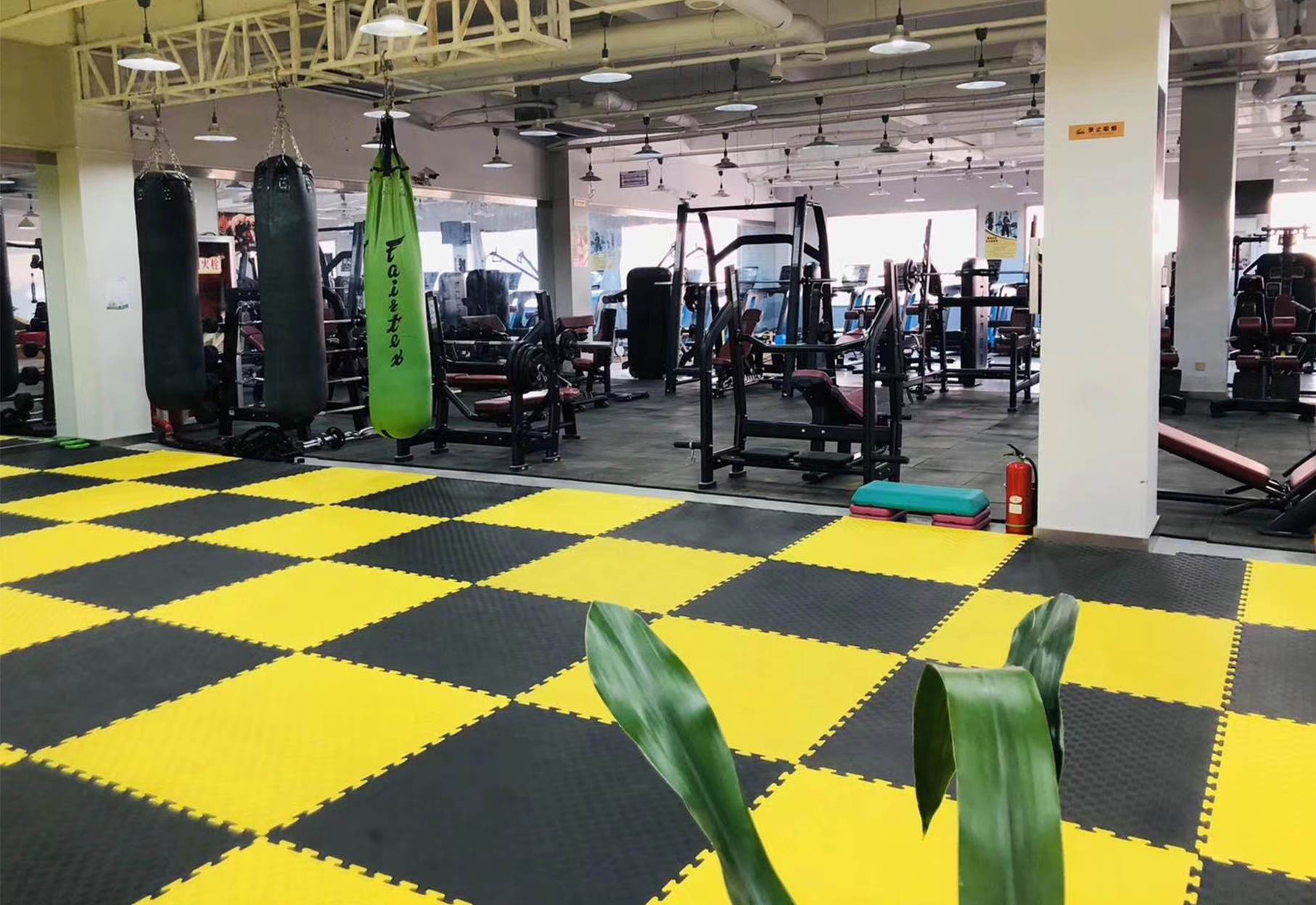
Like many buyers, I look for flooring that stands up to weights, drops, and heavy rolls. Our 24 inch interlocking rubber gym tiles deliver. I am a China-based Manufacturer, dedicated to consistent quality and fast response times for bulk orders. The tiles snap together with secure, nearly seamless joints, offering excellent shock absorption, noise dampening, and easy DIY installation without specialized tools. They resist moisture, mildew, and chemicals, making them ideal for commercial gyms, training facilities, and school fitness rooms. The modular 24 inch size allows scalable layouts, while the interlocking edge system minimizes tripping and simplifies replacement of damaged sections. I can customize colors, surface textures, and thicknesses to meet your safety standards and branding. With competitive factory pricing, dependable lead times, and full QA checks, I help you deliver a safer, more durable gym floor to your customers.
24 inch interlocking rubber gym tiles Winning in 2025 Custom Solutions,
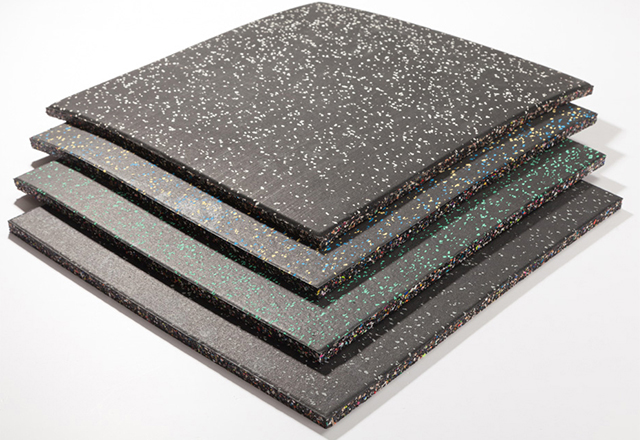
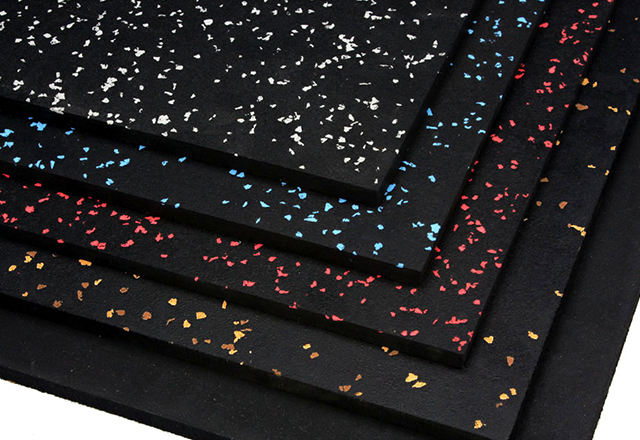
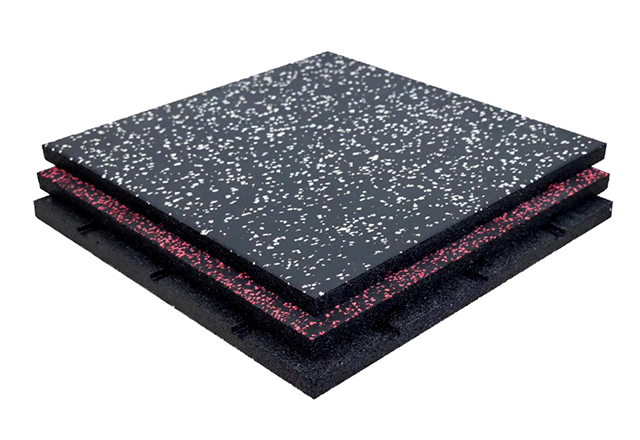
Global gyms, schools, and training facilities are turning to 24-inch interlocking rubber gym tiles for 2025. The larger tile size reduces seams, speeds installation, and delivers a smooth, uniform surface under heavy equipment and free weights. A textured top provides reliable traction, even when wet, while the closed-cell rubber cushions impact, protecting subfloors and reducing noise and fatigue. With low maintenance and excellent durability, these tiles perform under daily abuse across varied climates and spaces. Custom solutions elevate value: thickness options, edge pieces, and corner ramps create a seamless gym floor for any layout. Colors and patterns can reflect brand or school colors, with logo integration and grid layouts guiding equipment placement. Modular tiles can be replaced individually and shipped globally with consistent quality, meeting international standards. By combining performance, aesthetics, and scalable customization, 24-inch interlocking rubber gym tiles win in 2025 for facilities seeking long-term, cost-effective flooring.
| Variant | Tile Size | Thickness (mm) | Density (kg/m3) | Shore (D) | Surface Texture | Interlock Type | DCOF | UV Stabilized | Fire Rating | Compression Set (%) | Warranty (years) | Installation Type | Color Options | Typical Usage |
|---|---|---|---|---|---|---|---|---|---|---|---|---|---|---|
| Variant A | 24 in x 24 in | 12 | 1050 | 60 | Textured | Tongue & Groove | 0.50 | Yes | Class A | 12 | 10 | Floating | Black, Grey | General gym floors; weight rooms and studios |
| Variant B | 24 in x 24 in | 15 | 1100 | 65 | Ribbed | Tongue & Groove | 0.60 | Yes | Class A | 9 | 15 | Glue-down | Black, Grey, Blue | Heavy-duty commercial gyms; cross-training areas |
| Variant C | 24 in x 24 in | 10 | 1000 | 55 | Smooth | Tongue & Groove | 0.45 | Yes | Class A | 8 | 7 | Floating | Grey, Green | Home gyms; light commercial spaces |
| Variant D | 24 in x 24 in | 20 | 1200 | 58 | Textured | Tongue & Groove | 0.52 | Yes | Class A | 11 | 12 | Floating | Black, Grey, Green, Blue | High-impact training rooms; weightlifting platforms |
Related Products
24 inch interlocking rubber gym tiles Where Service Meets Innovation Service Backed by Expertise
Top Selling Products
- Related Blog
- Reviews
