
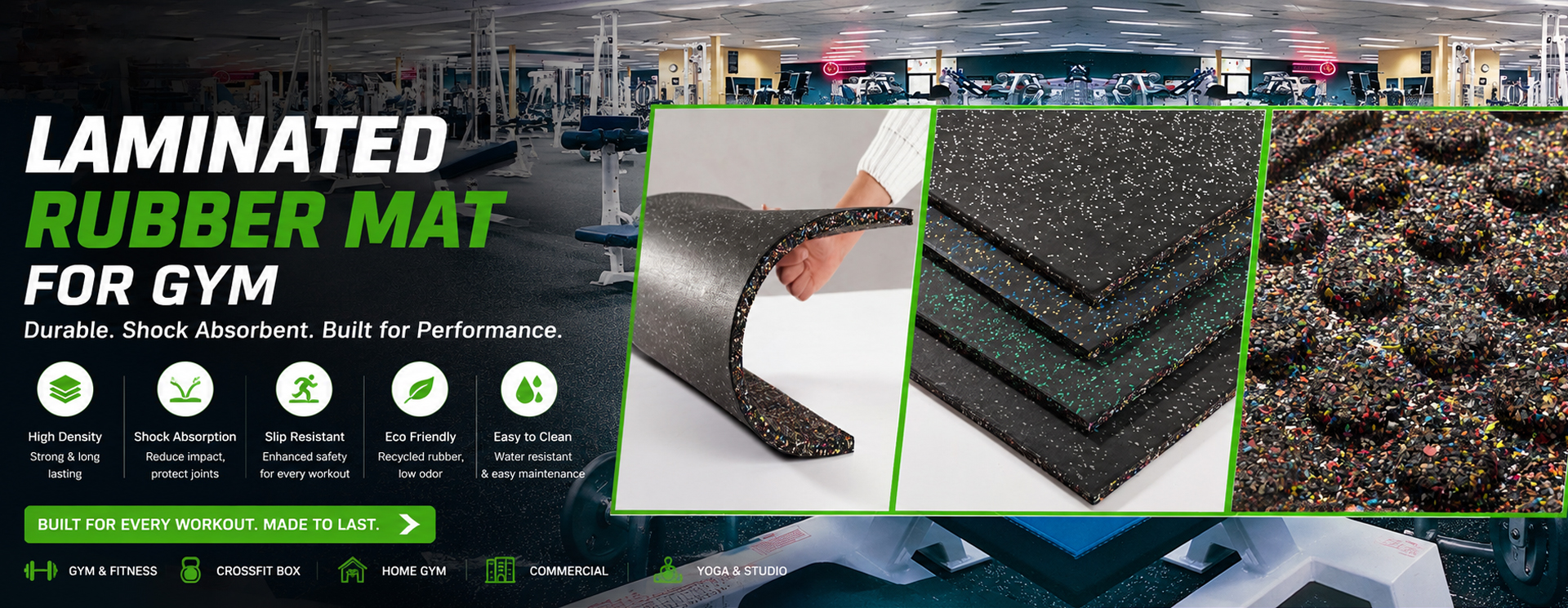
Wholesale Commercial Fitness Flooring from Trusted Manufacturers
We are your trusted partner for commercial fitness flooring that stands up to heavy daily use. I work with Wholesale buyers and Manufacturers who demand durable, cost-effective flooring without the hassle. Our range delivers superior slip resistance, impact absorption, and moisture resistance, so tread care and clean-up stay quick. Installation is simple with modular planks and loose lay options, cutting downtime for gyms, training centers, and fitness clubs. We offer flexible bulk pricing, customization, and rapid lead times to support large orders. Each product is manufactured to strict QA standards, ensuring consistent color, texture, and wear performance. Whether you need standard white-label options or bespoke colors, I can help you streamline procurement and volume pricing. Let me know your project size and we’ll tailor a solution that fits Wholesale and Manufacturers like you.
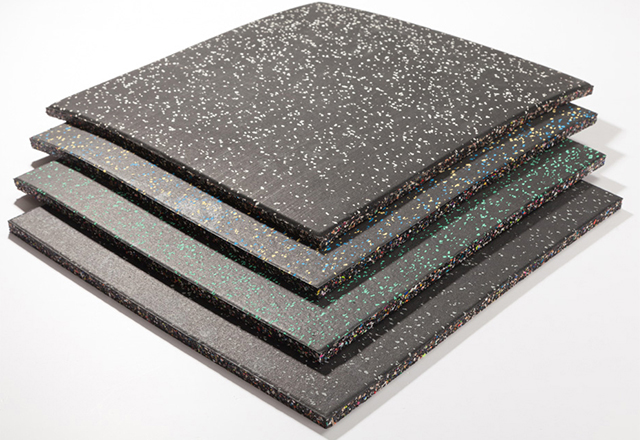
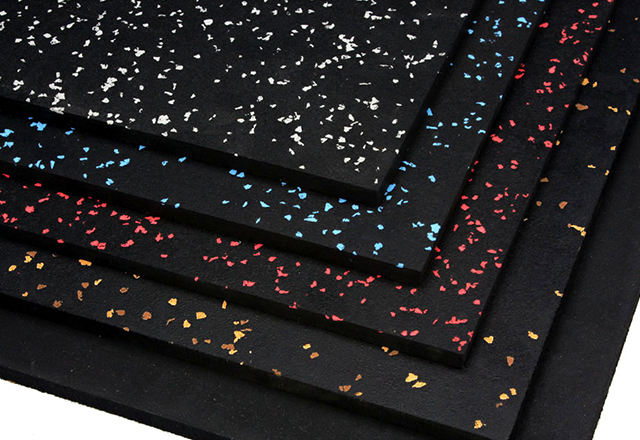
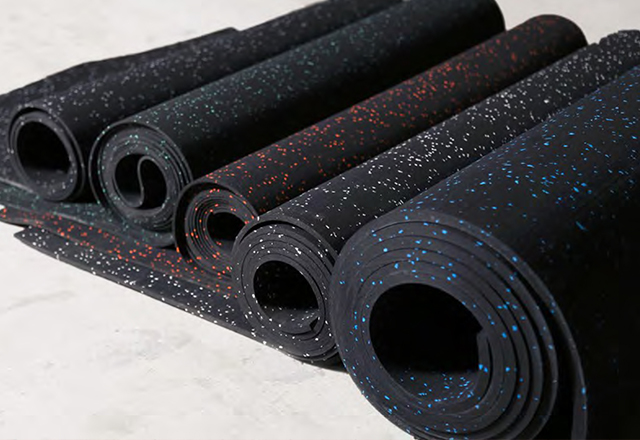
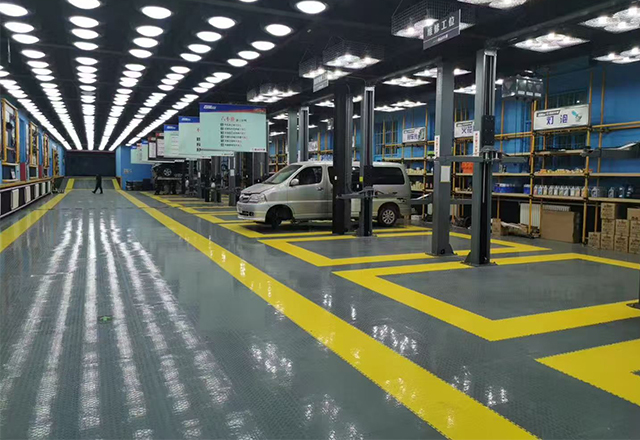
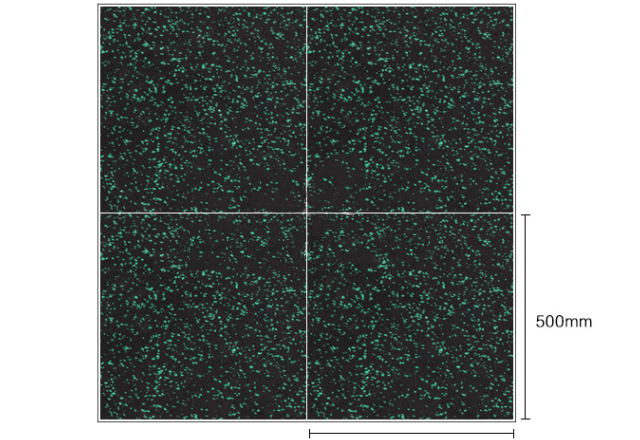
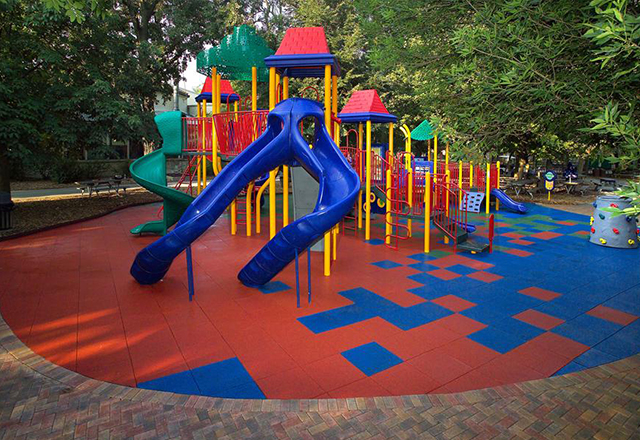
commercial fitness flooring Manufacturer For the Current Year
Global buyers in the fitness sector seek commercial flooring that withstands heavy use, wet conditions, and varied workouts. In the current year, performance, safety, and sustainability guide decisions. Rubber flooring provides strong shock absorption, slip resistance, and durable surfaces. Interlocking systems enable quick installation and easy replacement, while a range of thicknesses, textures, and colors supports branding. Look for low VOCs, antimicrobial finishes, and independent safety certifications to ensure indoor air quality and user protection. From procurement to handover, total cost of ownership matters as much as upfront price. Compare warranties, maintenance needs, and lead times from global suppliers who can scale. Emphasize sustainability—recycled content and circular design, plus compliance with environmental standards to boost green building credits. Request datasheets, installation guides, and references to validate performance for gyms, studios, hotels, and educational facilities across climates.
Commercial Fitness Flooring Manufacturer - Current Year
| Region | Market Size (USD Bn) | CAGR 2024-2029 (%) | PVC Content (%) | PU Content (%) | Rubber Content (%) | Other Content (%) | Certifications Attained (%) | Avg Life Span (years) | Recycled Content (%) | Avg Installation Time (hours/100 m2) | End-of-Life Options (% recyclable) |
|---|---|---|---|---|---|---|---|---|---|---|---|
| North America | 2.3 | 5.2 | 48 | 26 | 14 | 12 | 78 | 9 | 22 | 14 | 65 |
| Europe | 1.9 | 4.6 | 44 | 28 | 13 | 15 | 82 | 8 | 28 | 16 | 72 |
| Asia-Pacific | 2.8 | 6.1 | 60 | 20 | 12 | 8 | 60 | 7 | 25 | 12 | 68 |
| Latin America | 0.6 | 4.0 | 50 | 25 | 12 | 13 | 50 | 6 | 20 | 18 | 50 |
| Middle East & Africa | 0.4 | 3.8 | 42 | 30 | 14 | 14 | 40 | 6 | 18 | 20 | 45 |
Related Products
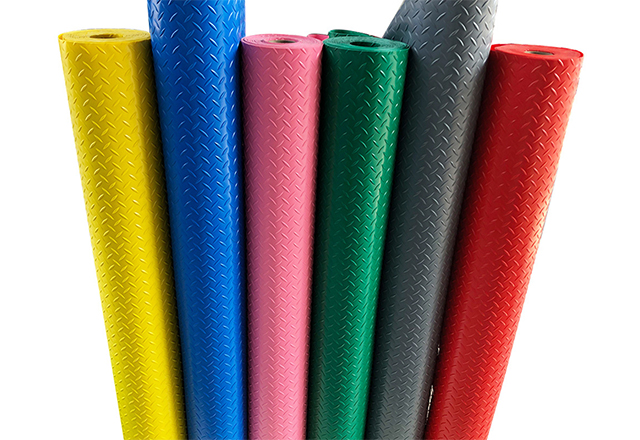
commercial fitness flooring Stands Out From Concept to Delivery
Top Selling Products
- Related Blog
- Reviews
