
Commercial Gym Floor Tiles - China Manufacturer
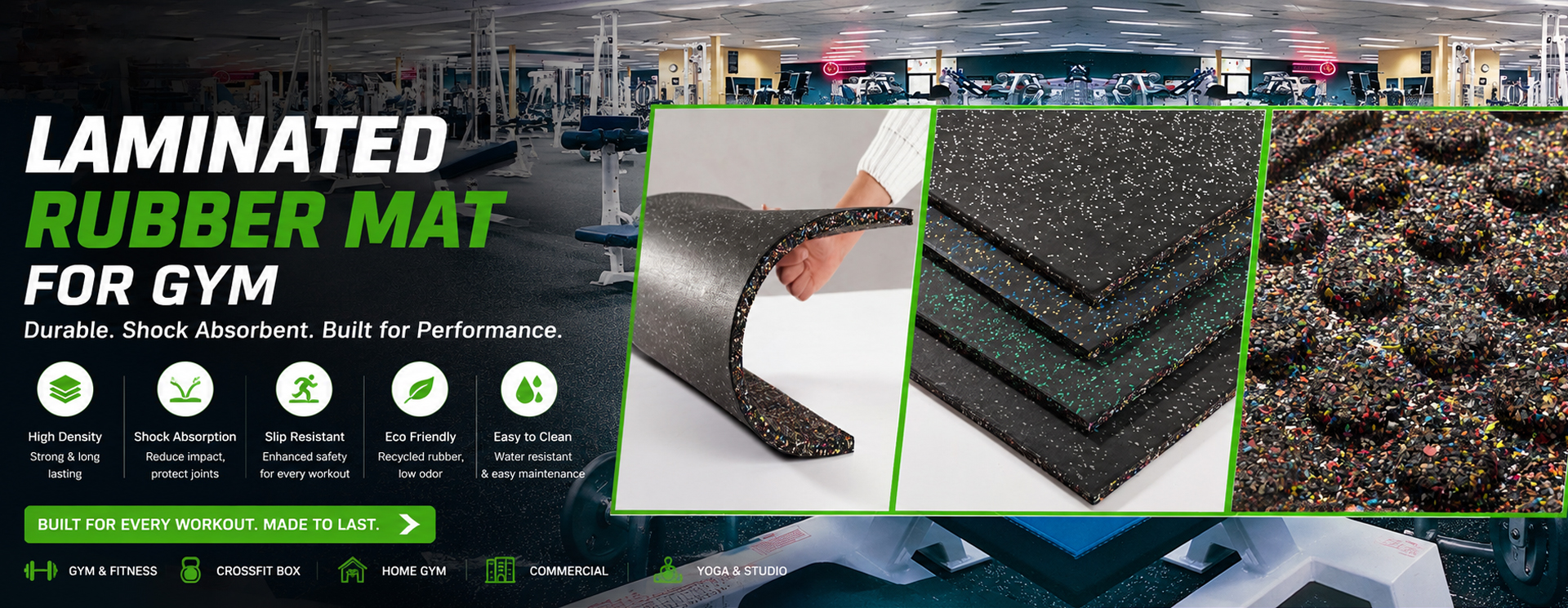
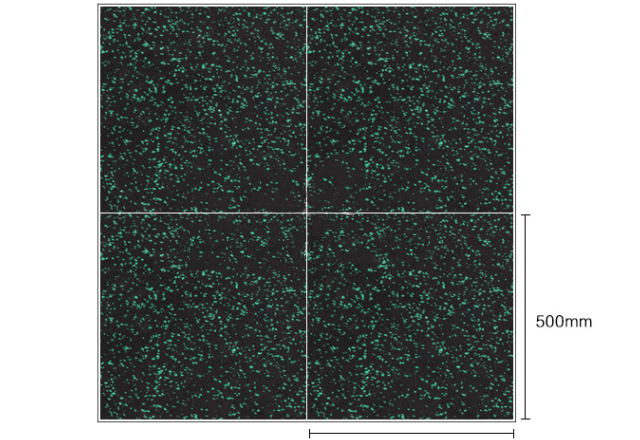
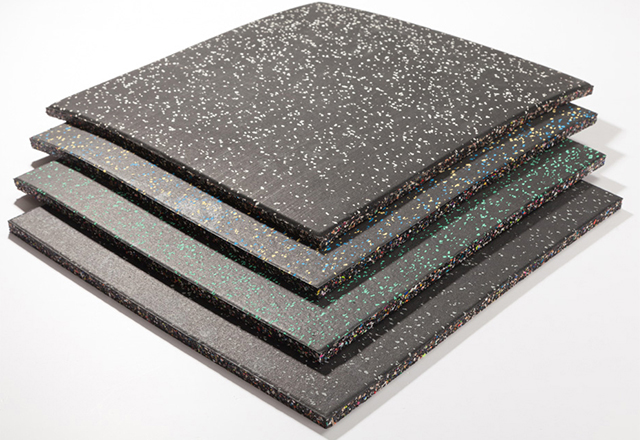
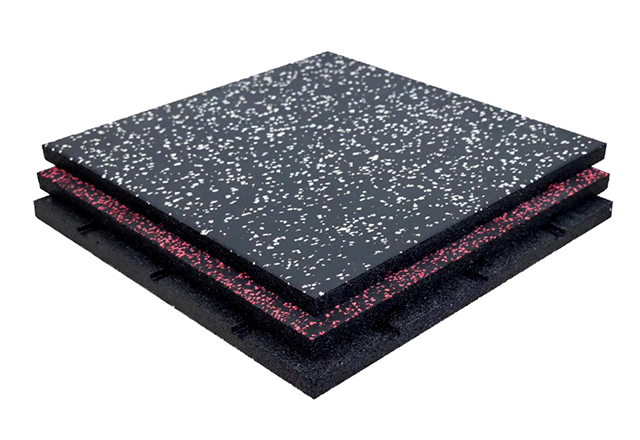
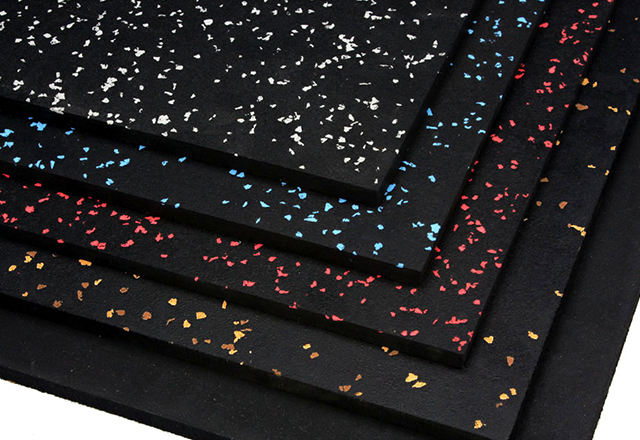
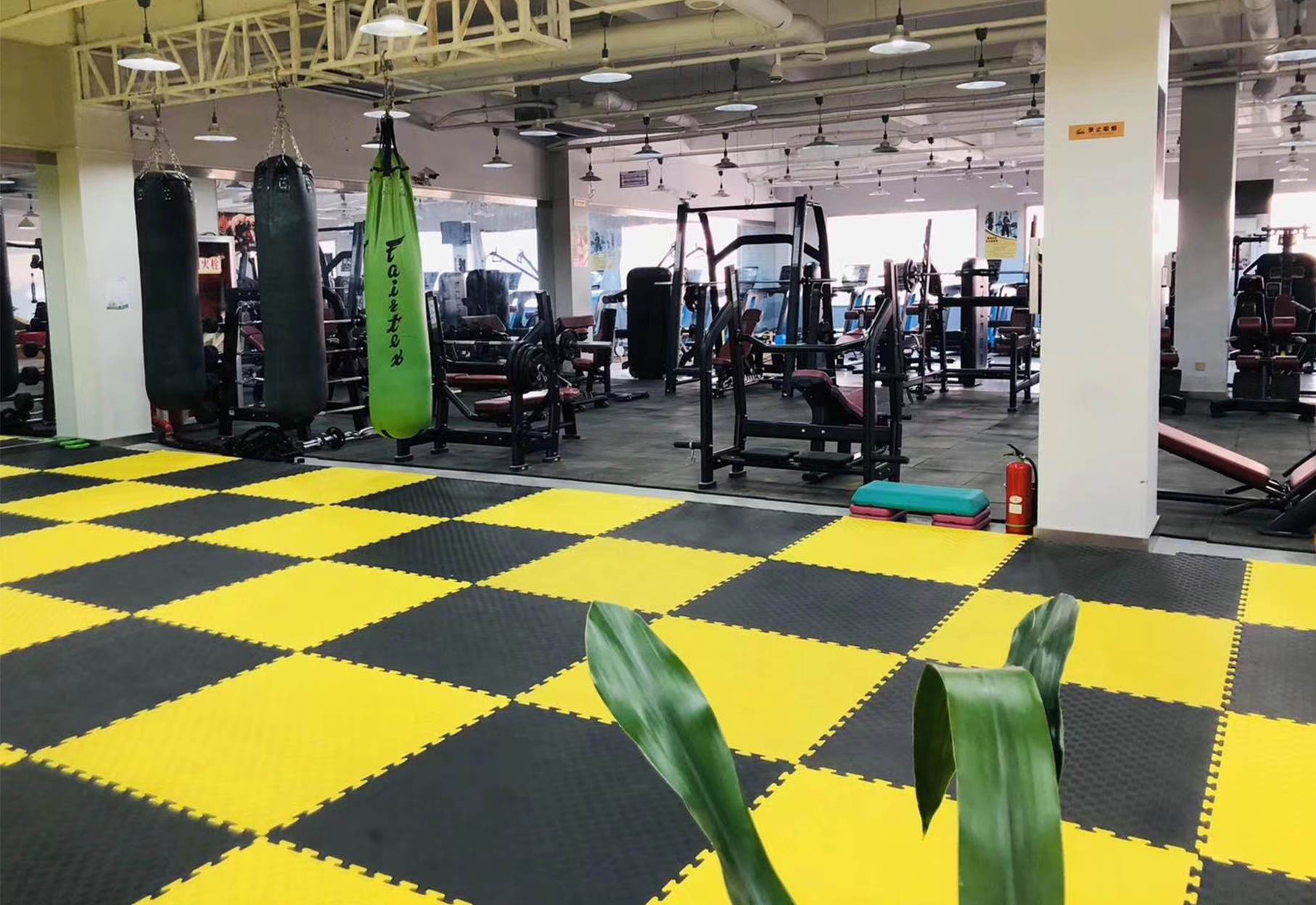
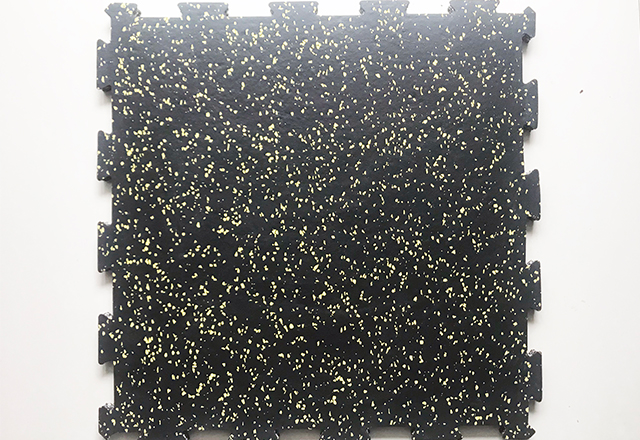
As a China-based manufacturer, I supply commercial gym floor tiles that stand up to heavy training, rolling carts, and constant cleaning. My tiles feature a rugged interlocking design for quick installation and seamless coverage. The surface is non-slip, shock-absorbing, and easy to clean, keeping athletes safe and facilities looking sharp. Thickness options range from 8 to 12 mm, with sizes 500x500 mm or 600x600 mm, and colors including charcoal, blue, and light gray. They’re water resistant, impact resistant, and resistant to fading under indoor lighting. I provide OEM and ODM services, with custom logos, edge trims, and cut-to-size options to fit your floor precisely. Ideal for commercial gyms, studios, and schools, these tiles minimize downtime during upgrades and protect subsurface concrete. If you’re buying in bulk, I’ll ensure fast lead times and reliable supply.
commercial gym floor tiles Leads the Global Market Custom Solutions,
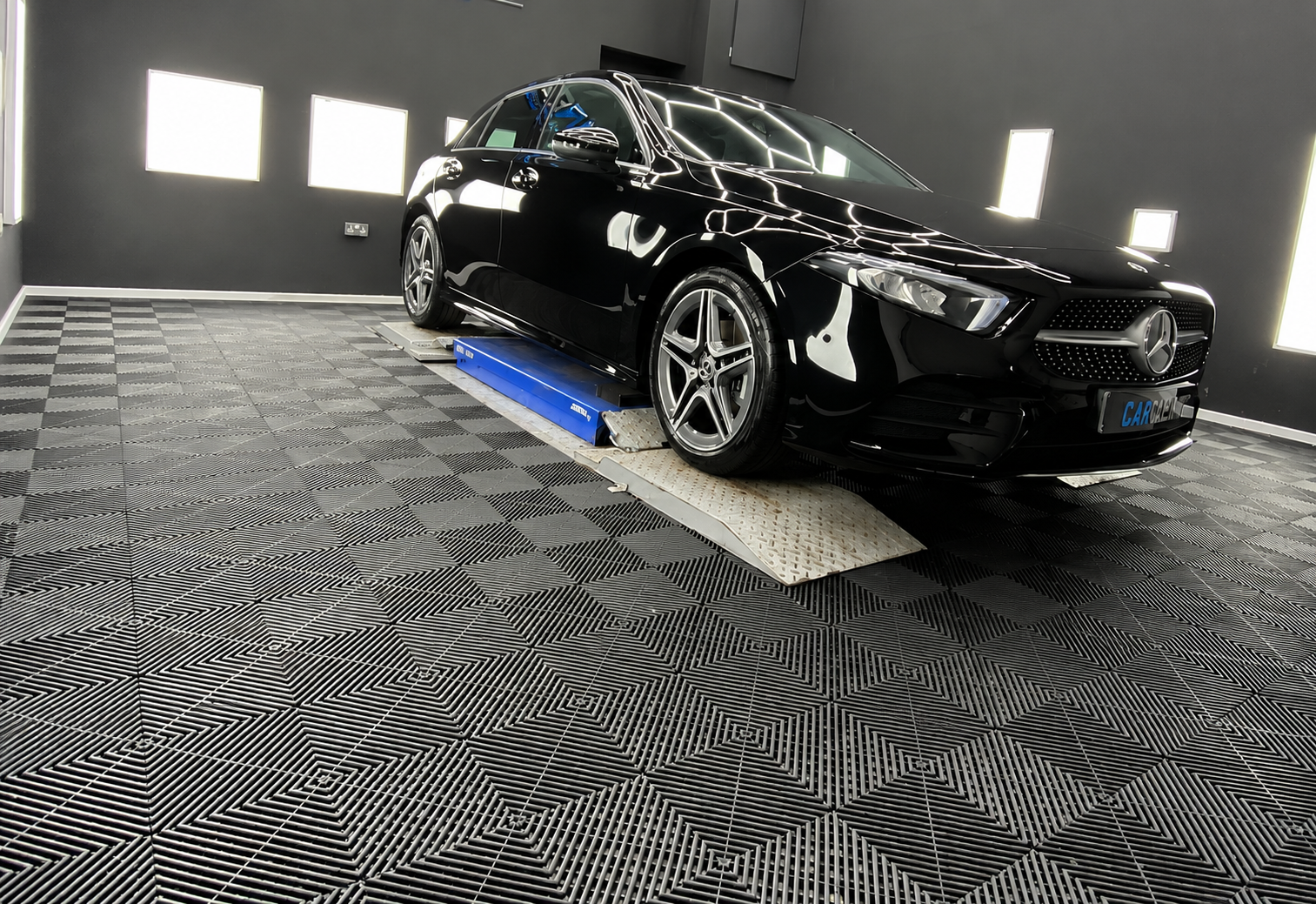
Commercial gym floor tiles are setting the standard in the global market for custom flooring solutions. From weight rooms to studios, durable rubber and modular tile systems deliver traction, impact resistance, and easy maintenance. Configurable options—interlock or loose lay, field tile sizes, and surface textures—meet high-traffic demands and branding needs. International buyers can expect consistent color, tight tolerances, and reliable batch traceability across global shipments. With a global service model, this approach emphasizes design-to-delivery excellence: bespoke thicknesses, edge profiles, and seamless integration with underlayment and drainage. Certifications for safety and indoor air quality reassure procurement teams, while recycled content programs support sustainability goals. End-to-end support covers planning, samples, logistics, and on-site guidance, enabling fast ramp-ups for multi-site deployments and standardized gym experiences worldwide.
| Region | Market Size 2023 (USD bn) | CAGR 2023-2028 (%) | Common Materials | Typical Tile Thickness (mm) | Installation Method | Lead Time (weeks) | Certifications/Standards | Average Lifespan (years) | Growth Drivers |
|---|---|---|---|---|---|---|---|---|---|
| Asia-Pacific | 9.6 | 7.2 | PVC, EPDM, ceramic composite | 4.0 | Interlocking click-lock | 4 | Floor Score, CE, REACH | 12 | Rising gym chains and renovations |
| North America | 5.0 | 6.0 | PVC, rubber composite | 3.0 | Interlocking or glue-down | 3 | Floor Score, LEED, CE | 10 | Durability and quick-install projects |
| Europe | 4.5 | 5.3 | PVC, EVA foam core | 3.0 | Glue-down or interlocking | 3 | CE, REACH, RoHS | 9 | Sustainability and regulatory compliance |
| Latin America | 1.1 | 4.8 | PVC, recycled-content PVC | 2.5 | Interlocking | 2 | REACH, RoHS | 8 | New gym openings and cost-sensitivity |
| Middle East & Africa | 0.6 | 5.5 | PVC, ceramic-blend PVC | 2.5 | Glue-down | 3 | CE, REACH | 9 | Heat resilience and climate-adapted options |
Related Products
commercial gym floor tiles Stands Out Sets the Industry Standard
Top Selling Products
- Related Blog
- Reviews
