
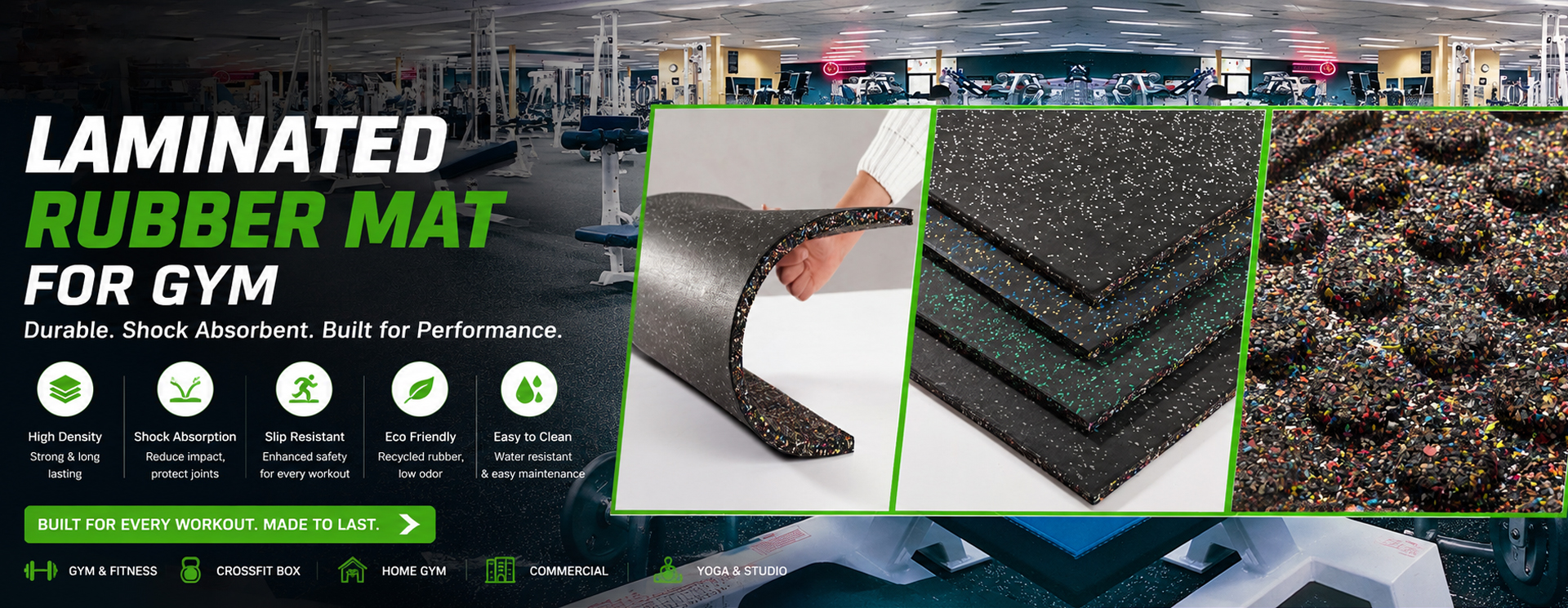
Courtyard Rubber Flooring Wholesale from Manufacturers
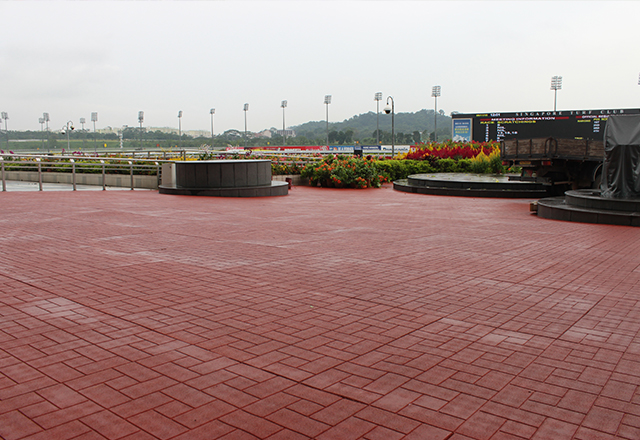
From the factory floor to your showroom, I supply durable courtyard rubber flooring designed for heavy traffic, weather resistance, and easy maintenance. As a direct Manufacturer, I offer reliable supply for Wholesale buyers and retailers who demand consistent quality and fast lead times. Our courtyard rubber flooring features UV-stable rubber compounds, slip-resistant texture, and modular interlocking options for quick installation in courtyards, walkways, playgrounds, and pool surrounds. I know you need scalable quantities and competitive pricing, so I offer flexible pricing, sample programs, and customization in thickness (6mm–12mm), color, and texture. With anti-microbial additive optional, easy-clean surface, and excellent shock absorption, it protects people and assets. Each batch undergoes rigorous QA with CE/ISO guidelines. If you're a Wholesale or a Manufacturer seeking a dependable bulk partner, let's align on specs, delivery, and warranties.
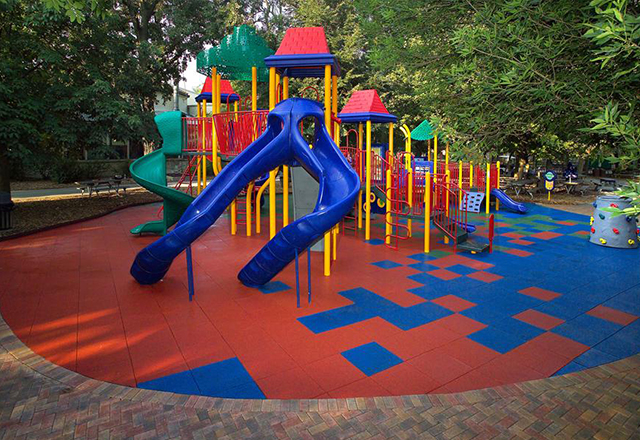
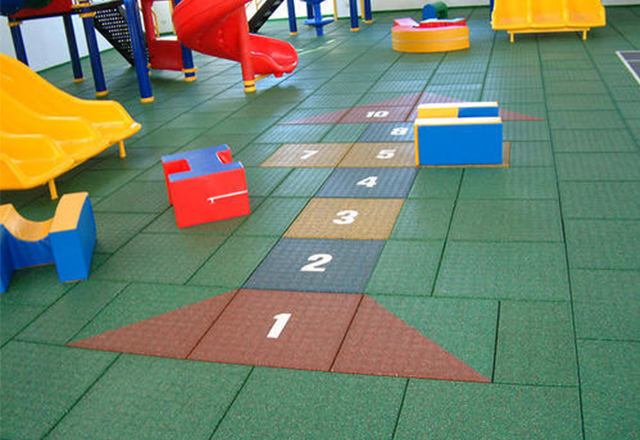
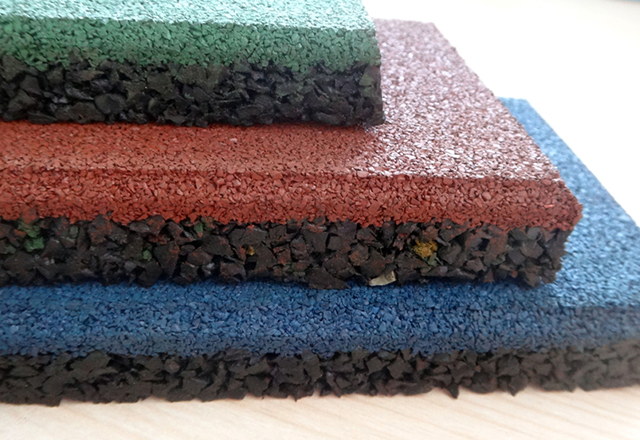
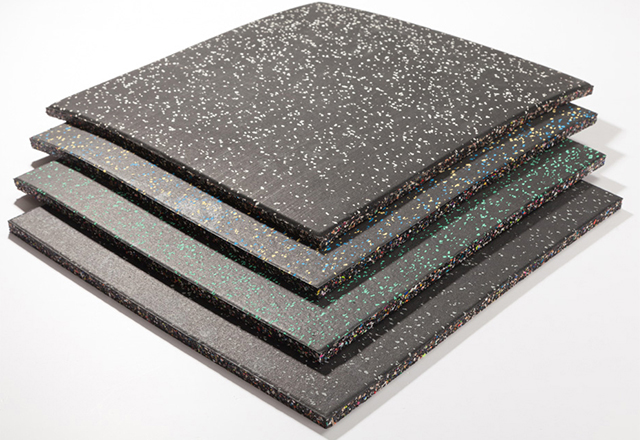
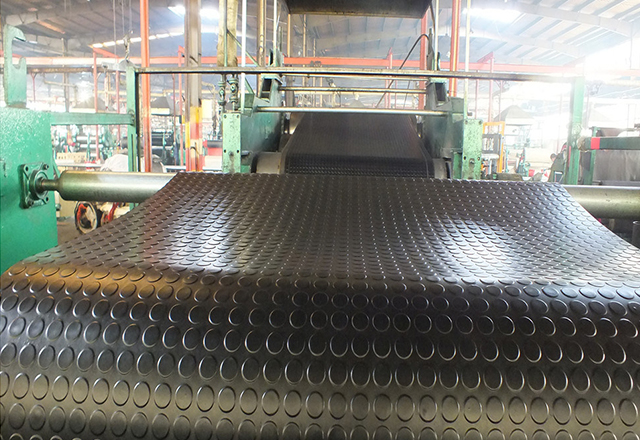
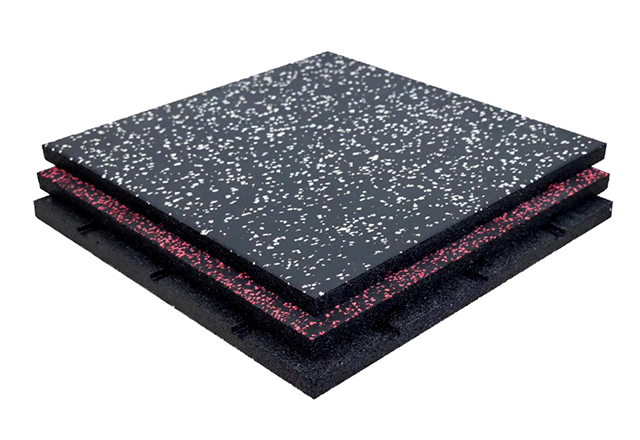
courtyard rubber flooring Factory-Direct Excellence Service Backed by Expertise
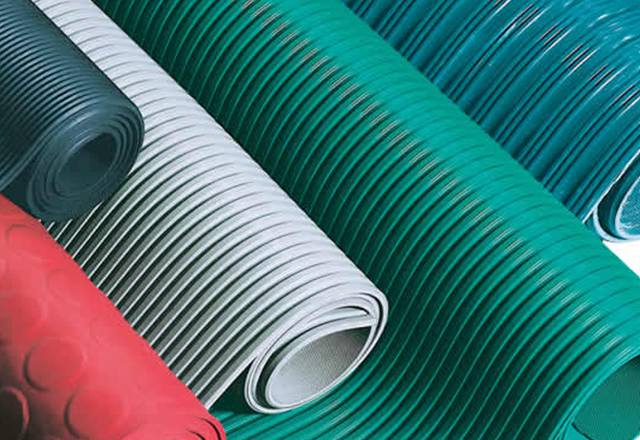
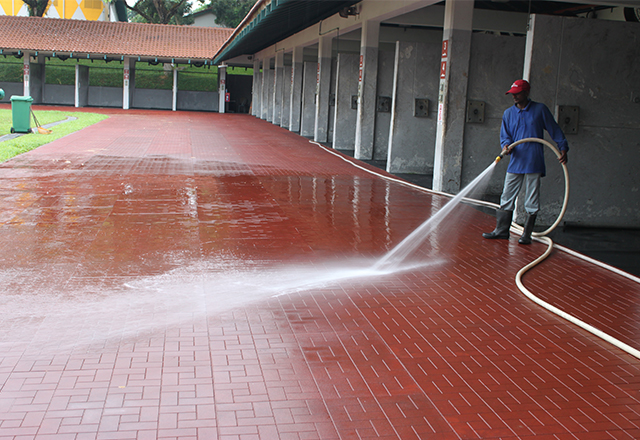
Courtyard spaces require flooring that is safe, durable, and easy to maintain. Rubber surfaces offer slip resistance, comfort underfoot, and weather resistance for outdoor use. Factory-direct delivery speeds response, tightens quality control, and provides direct technical guidance from design to installation. With modular tiles or roll formats, you can tailor thickness, color, and texture to climate and foot traffic, while simple cleaning keeps maintenance costs low over the life cycle. For global buyers, direct-from-manufacturer sourcing means competitive pricing, scalable capacity, and predictable lead times. Rigorous testing and certifications ensure safety and performance, while flexible logistics fit diverse ports and schedules. From samples to after-sales support, the project lifecycle is streamlined, with engineers ready to optimize drainage, edging, and installation. A factory-direct partner offers consistent quality, clear communication, and long-term value across regions.
| Category | Material Type | Thickness (mm) | Size (L × W) (mm) | Surface Finish | Slip Resistance | UV Stability (years) | Certifications | Installation Method | Maintenance |
|---|---|---|---|---|---|---|---|---|---|
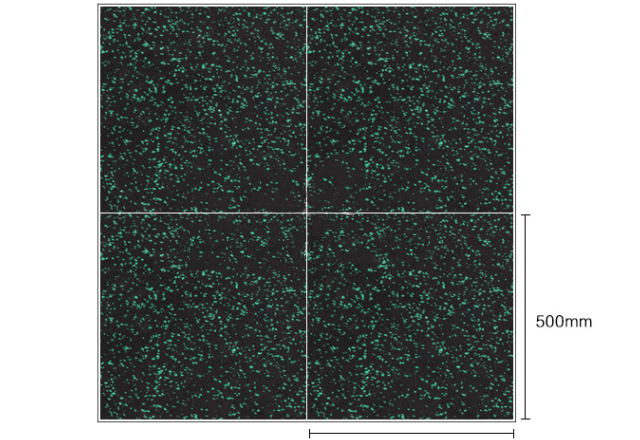
| Outdoor Courtyard Rubber Flooring | EPDM Rubber | 7.0 | 500 × 500 | Textured (Granular) | R11 | 5 | ASTM F1292; EN 13537; ISO 9001 | Interlocking Tiles | Wet mop with mild detergent |
| Patio Walkway | SBR Rubber | 6.0 | 1000 × 500 | Fine Pebble | R10 | 4 | ISO 9001; RoHS | Glue-down | Periodic cleaning |
| Poolside Decking | EPDM + SBR Blend | 8.0 | 300 × 300 | Ribbed | R11 | 6 | EN 1177; ISO 14001 | Interlocking | Rinse with water |
| Courtyard Entrance Mat | Recycled Rubber | 3.0 | 600 × 900 | Coarse Granular | R9 | 3 | EN 13594 | Glue-down | Regular vacuuming |
| Industrial Walkway | Natural Rubber | 4.0 | 1000 × 2000 | Smooth | R9 | 2 | ISO 9001 | Self-adhesive | Vacuum and mop |
| Balcony Terrace | EPDM | 5.5 | 500 × 1000 | Textured | R10 | 5 | RoHS; REACH | Floating/Interlocking | Mild detergent |
| Commercial Courtyard Tile | EPDM Rubber | 10.0 | 250 × 500 | Diamond-pattern | R12 | 7 | ASTM F2370; ISO 9001 | Interlocking | Pressure wash monthly |
Related Products
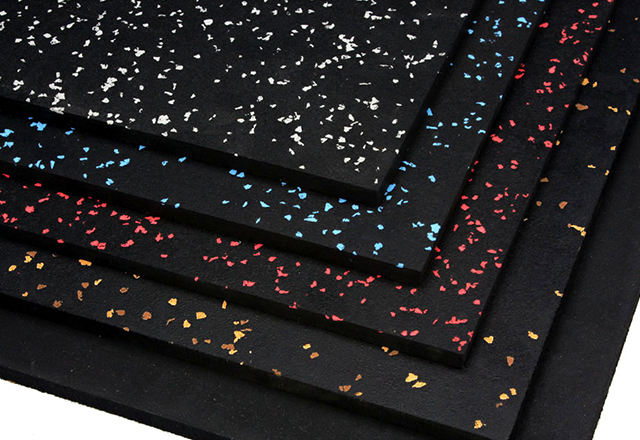
courtyard rubber flooring Factory From Concept to Delivery
Top Selling Products
- Related Blog
- Reviews
