
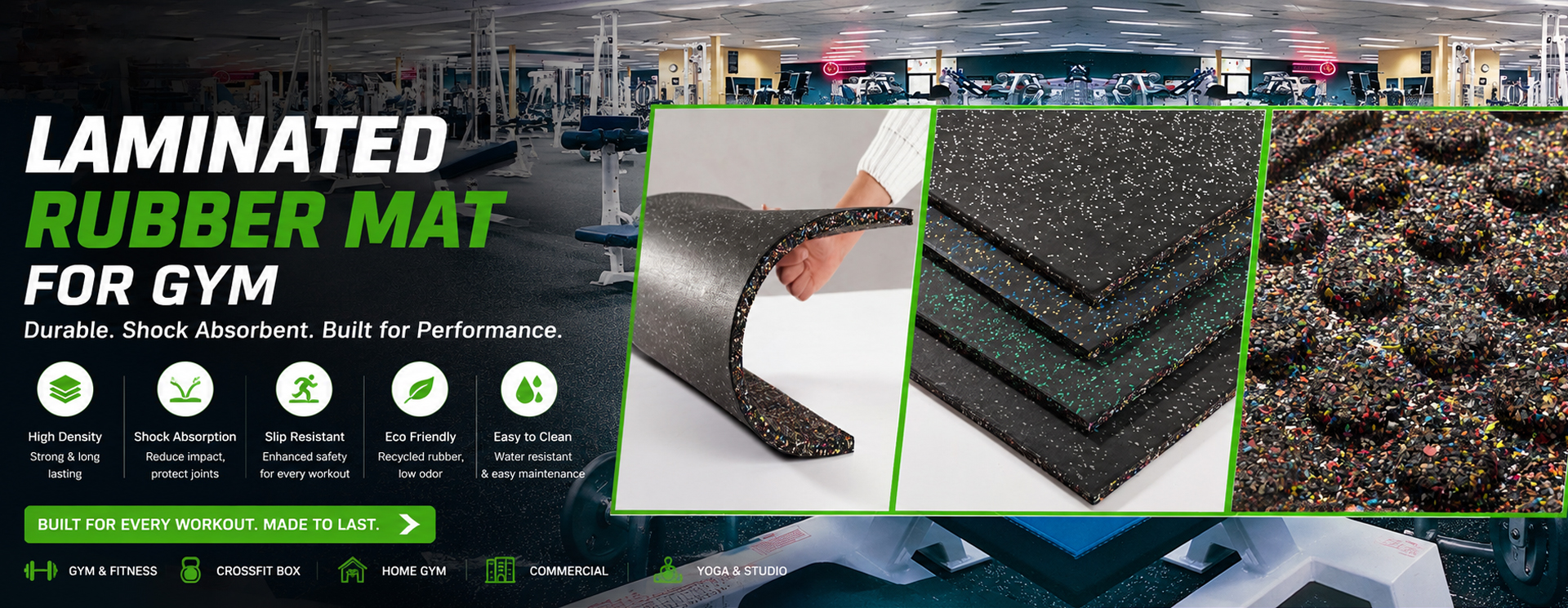
Cross Training Flooring - Wholesale Manufacturers for Gym Floors
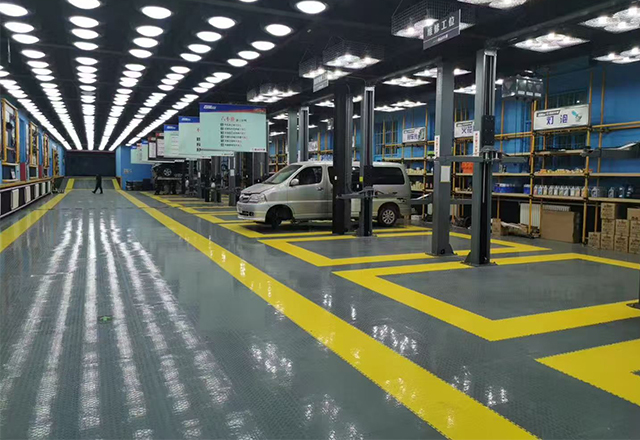
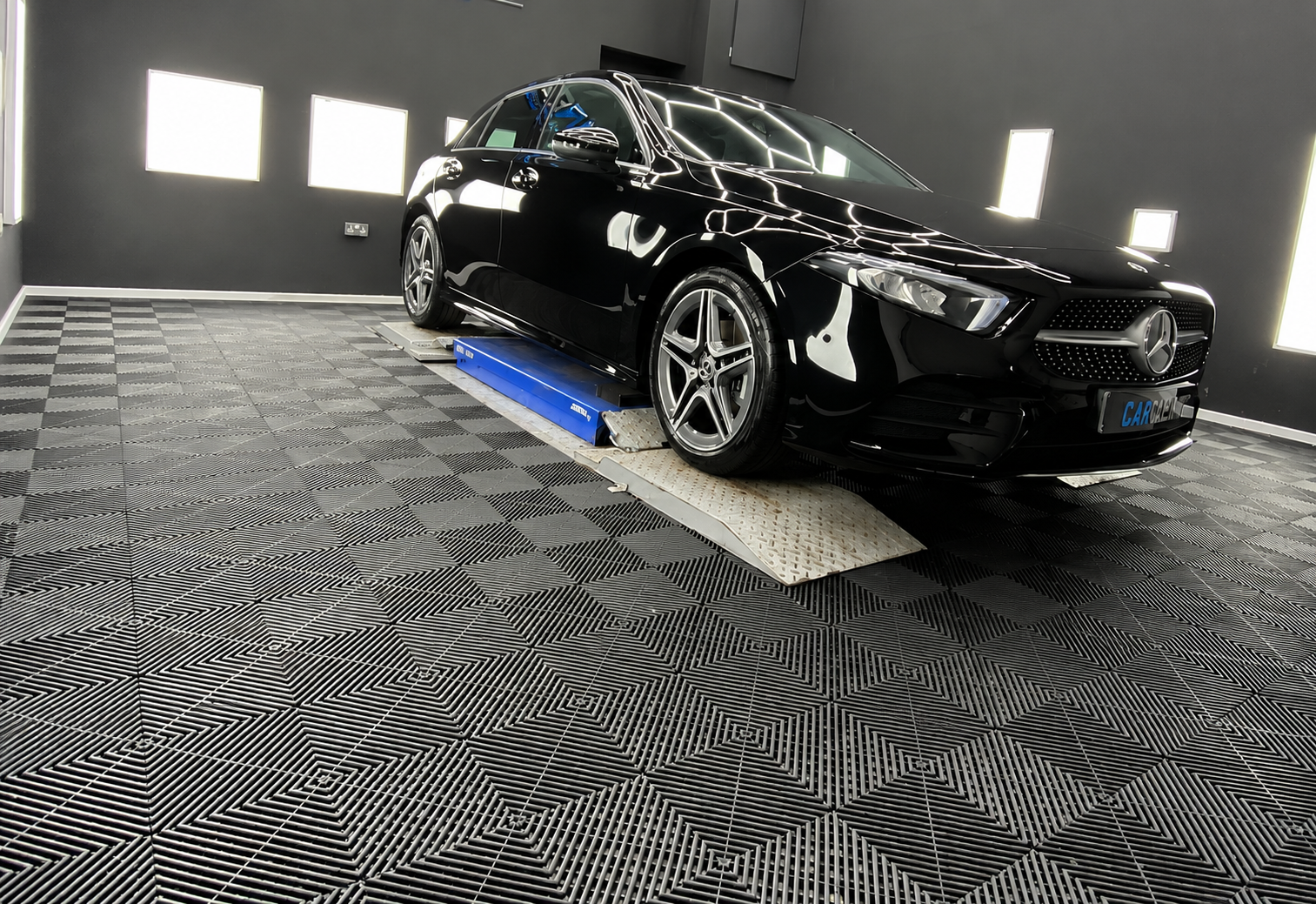
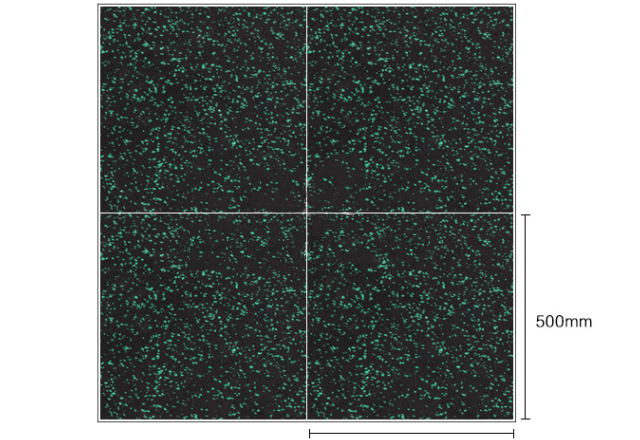
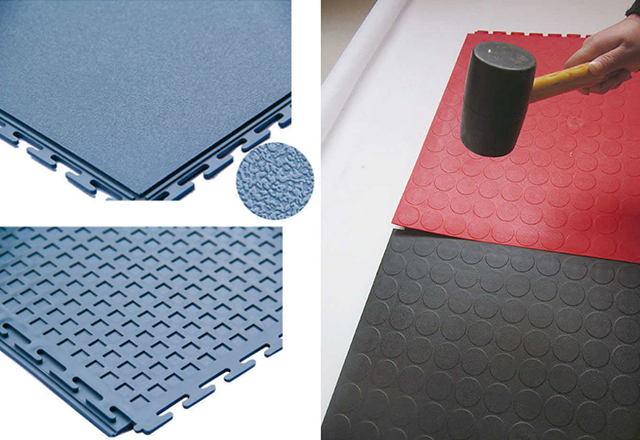
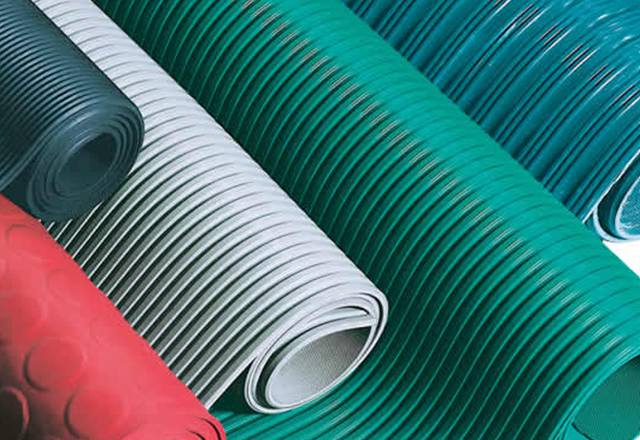
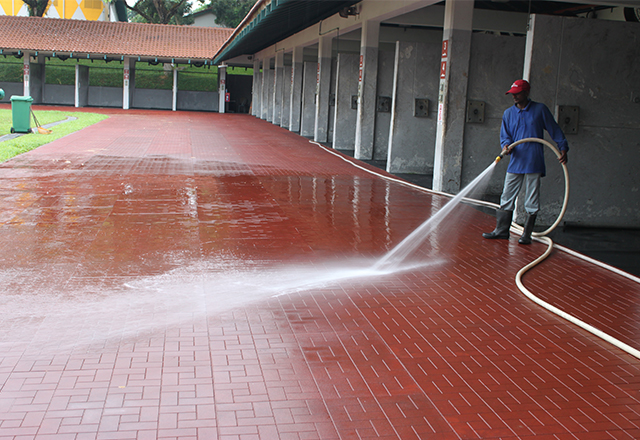
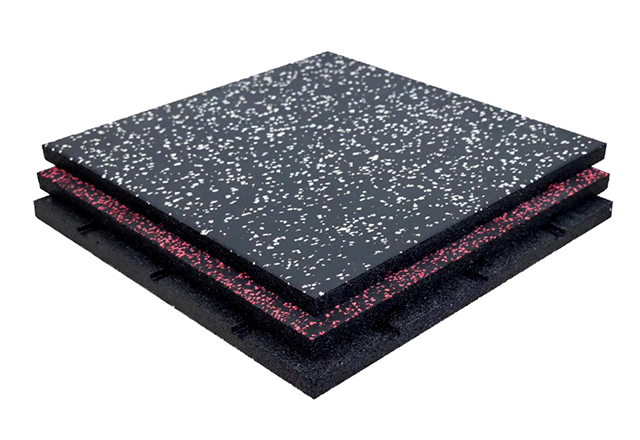
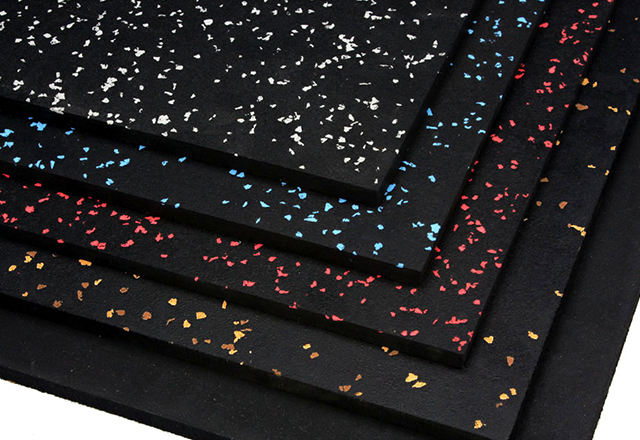
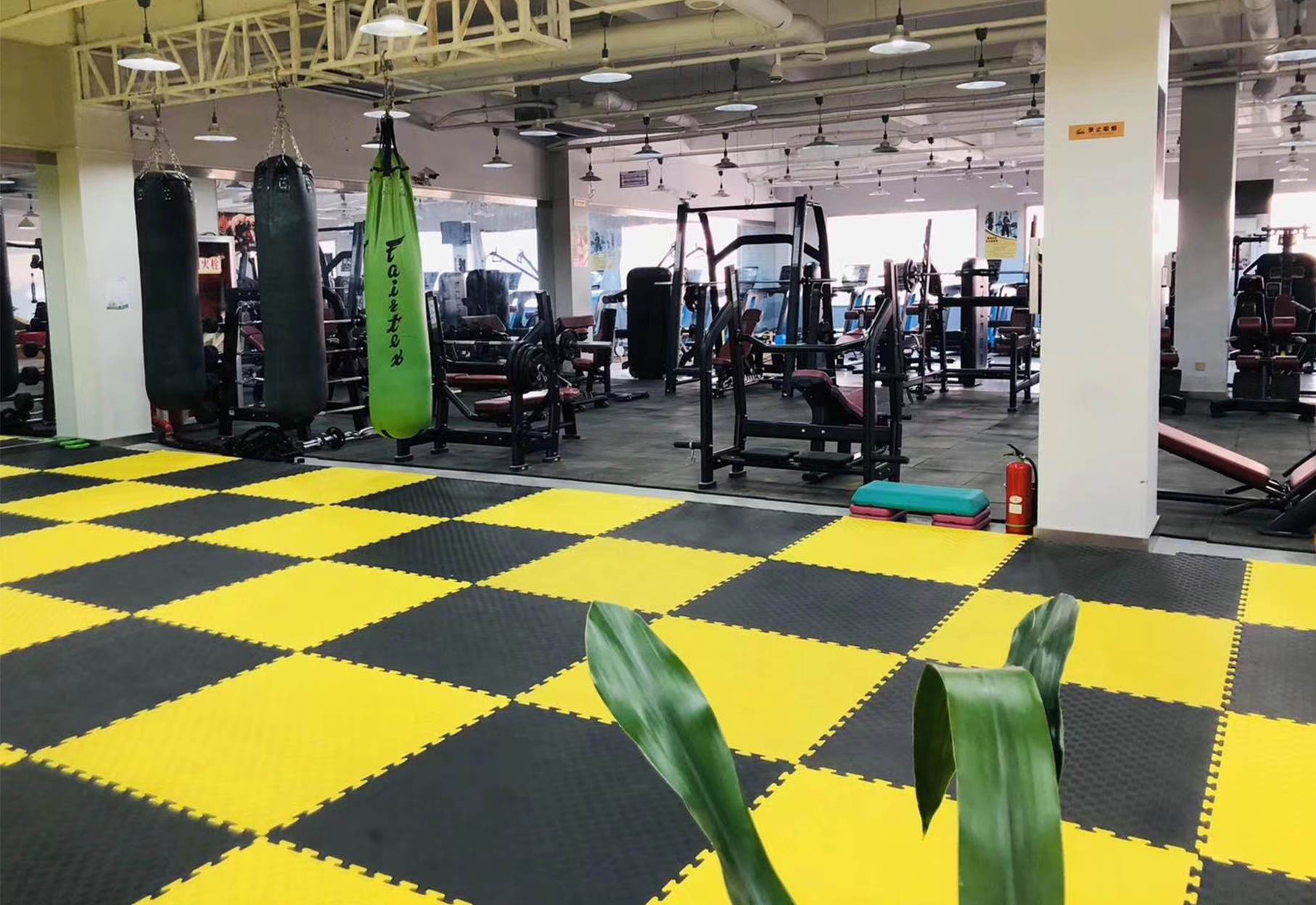
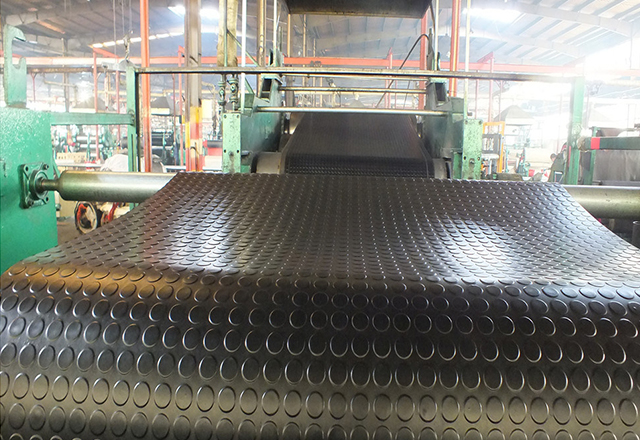
We offer cross training flooring that stands up to heavy use in gyms, studios, and training facilities. Built from rugged rubber or modular composite tiles, it delivers solid shock absorption, slip resistance, and easy cleanup. The interlocking system makes installation fast and cuts to fit any room, with edging options for a clean, durable finish. For Wholesale and Manufacturers, I provides bulk pricing, flexible MOQs, and scalable supply—from samples to full container orders. I understand timing matters, so I ship quickly and can tailor sizes, colors, and surface textures to fit your brand. Our flooring resists moisture, sweat, and abrasion, while protecting floors underneath and reducing fatigue for athletes. If you’re sourcing dependable cross training flooring for multiple sites, let’s discuss your specs and I’ll prepare a competitive quote. Quality you can count on, service you deserve, and a partner who treats your project like our own.
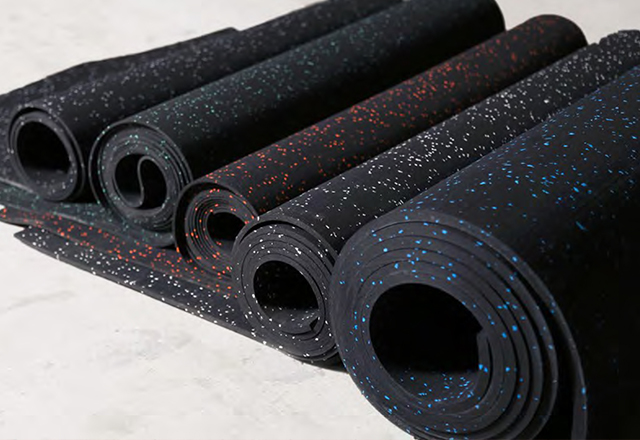
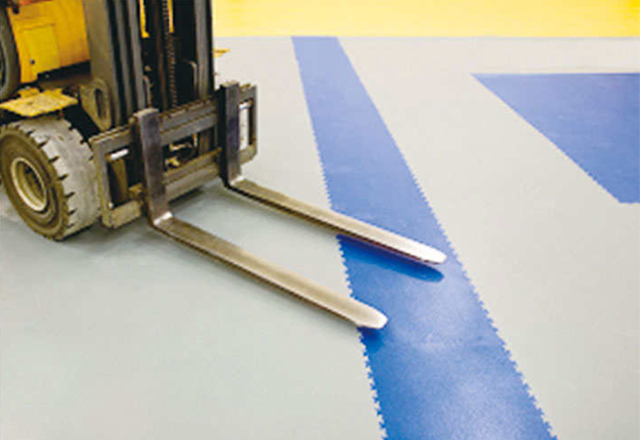
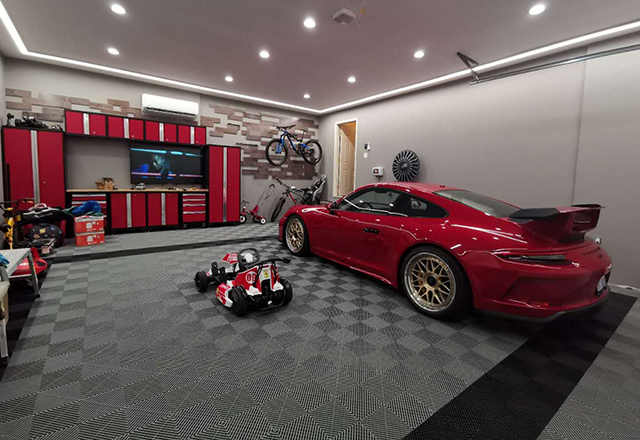
cross training flooring Now Trending Outperforms the Competition
Cross-training flooring is trending because it consistently outperforms the competition: engineered rubber blends provide superior shock absorption, high-impact resilience and stable traction for multi-directional movement, while minimizing noise and equipment wear. Designed for HIIT, weightlifting, functional and agility work, these floors balance firmness and cushioning to reduce athlete fatigue and simplify maintenance across high-traffic environments. For global buyers seeking dependable supply, manufacturing expertise in rubber compounding and precision fabrication enables customizable density, thickness and surface finish, scalable production and strict quality control to suit international projects. Bulk-ready packaging, easy installation and responsible material sourcing make this solution a durable, cost-effective choice for gyms, studios and multi-purpose facilities worldwide.
{ cross training flooring Now Trending Outperforms the Competition}
| Feature | Test Method / Standard | Representative Result | Typical Range / Units | Notes |
|---|---|---|---|---|
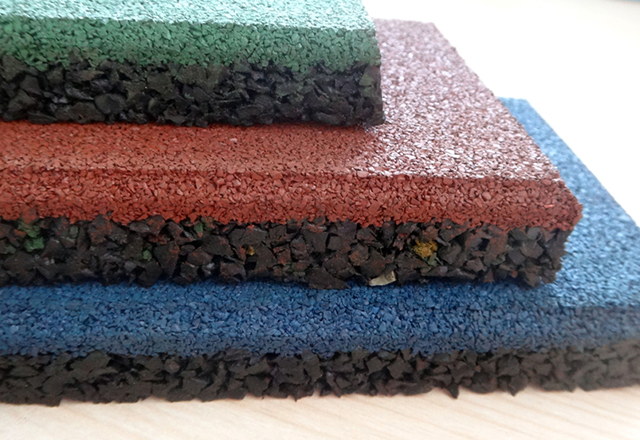
| Material Composition | Manufacturer specification / Material analysis | Recycled rubber granules with polymer binder | — | Commonly 50–100% recycled content depending on grade |
| Available Thickness | Installation guideline | 10 / 15 / 20 mm options | 6–25 mm | Choose based on drop protection needs and equipment traffic |
| Bulk Density | ASTM D297 (informative) | ~1,050 kg/m³ | 850–1,200 kg/m³ | Higher density increases durability and sound attenuation |
| Shore Hardness (A) | ISO 7619 / ASTM D2240 | 68 Shore A | 60–75 Shore A | Balance between resilience and firmness for cross training |
| Compression Deflection (25%) | ISO 3386-1 / Internal protocol | ~220 kPa | 80–450 kPa | Lower values feel softer; higher values provide more support |
| Tensile Strength | ASTM D412 | 8.0 MPa | 6–12 MPa | Higher tensile strength correlates with tear resistance |
| Elongation at Break | ASTM D412 | ~320% | 150–500% | Indicates material's ability to deform without failing |
| Abrasion Resistance (Volume Loss) | ASTM D5963 (Taber) | ~120 mm³ | 80–150 mm³ (lower = better) | Good abrasion values support longevity under free-weight traffic |
| Slip Resistance (Static COF) | ASTM D2047 / ANSI A326.3 (comparative) | 0.75 (static) | 0.60–1.00 (COF) | Wet and dry performance meets common gym safety thresholds |
| Impact Noise Reduction | ISO 10140-3 style measurement (field) | ~7 dB reduction | 4–12 dB | Helps reduce noise from dropped weights and footfall |
| Thermal Conductivity | ASTM C518 / equivalent (informative) | 0.18 W/m·K | 0.12–0.25 W/m·K | Moderate insulation; contributes slightly to comfort |
| Fire Performance | EN 13501-1 classification | Cfl-s1 | Typical: Bfl-s1 to Cfl-s1 depending on formulation | Compliance varies with binder and additives |
| Recycled Content | Material declaration / third-party verification | ~80% recycled content (by mass) | 30–100% | Higher recycled fraction improves sustainability metrics |
| Expected Service Life (commercial) | Field experience / accelerated wear tests | ~10 years | 7–15 years (usage-dependent) | Dependent on traffic, maintenance, and installation quality |
| Recommended Maintenance | Operational guidance | Weekly light cleaning; quarterly deep clean | Routine schedule | Periodic inspections for seam integrity and surface wear |
| Typical Applications | Use-case classification | Free-weight zones, functional training, multipurpose areas | — | Versatile for varied gym and studio environments |
Related Products
cross training flooring For the Current Year More Than a Supplier - A Partner
Top Selling Products
- Related Blog
- Reviews
