
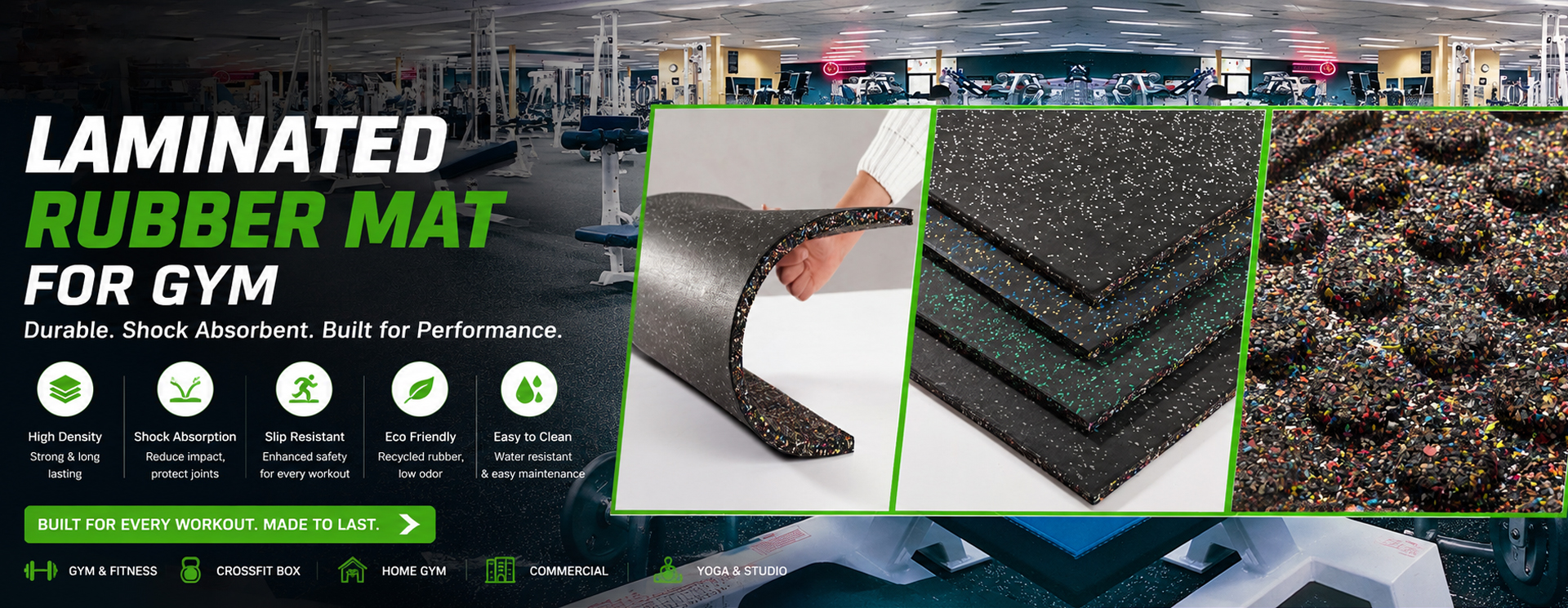
Dairy Farm Rubber Mats - Wholesale & Manufacturers
We supply durable {dairy farm rubber mats} that stand up to daily use in milking parlors, stalls, and feeding alleys. As buyers in Wholesale and Manufacturers networks, you need reliable, fast-supply products and we deliver. Our mats are made from high-density rubber, with a textured top for anti-slip grip and a beveled edge to prevent tripping. They offer excellent drainage, keeping stalls dry and cows comfortable during long milking sessions. Easy to cut and install, they reduce hoof and leg fatigue and simplify cleaning—a big time saver in busy barns. Available in thicknesses suitable for heavy traffic, with long-lasting wear resistant compounds that resist cracking in cold climates. We offer flexible ordering, bulk pricing, and on-time delivery to meet your production schedule. If you want a proven solution for dairy facilities, these dairy farm rubber mats are ready for your next batch—contact us to customize sizes and quantities.
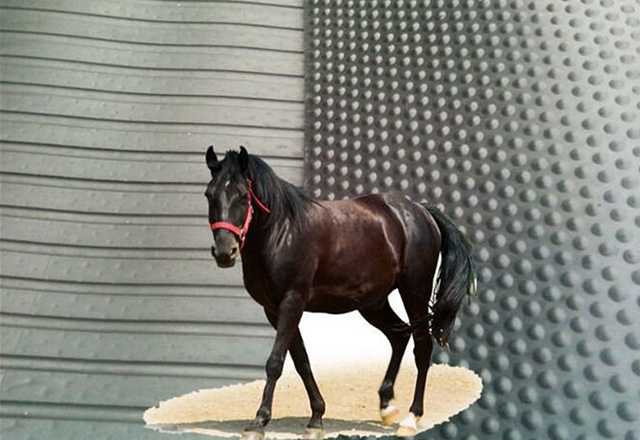
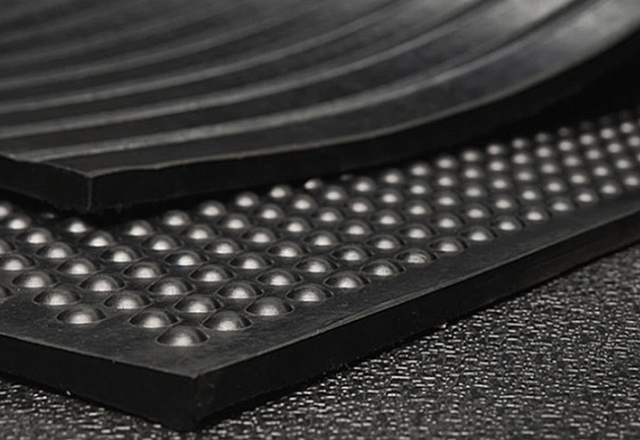
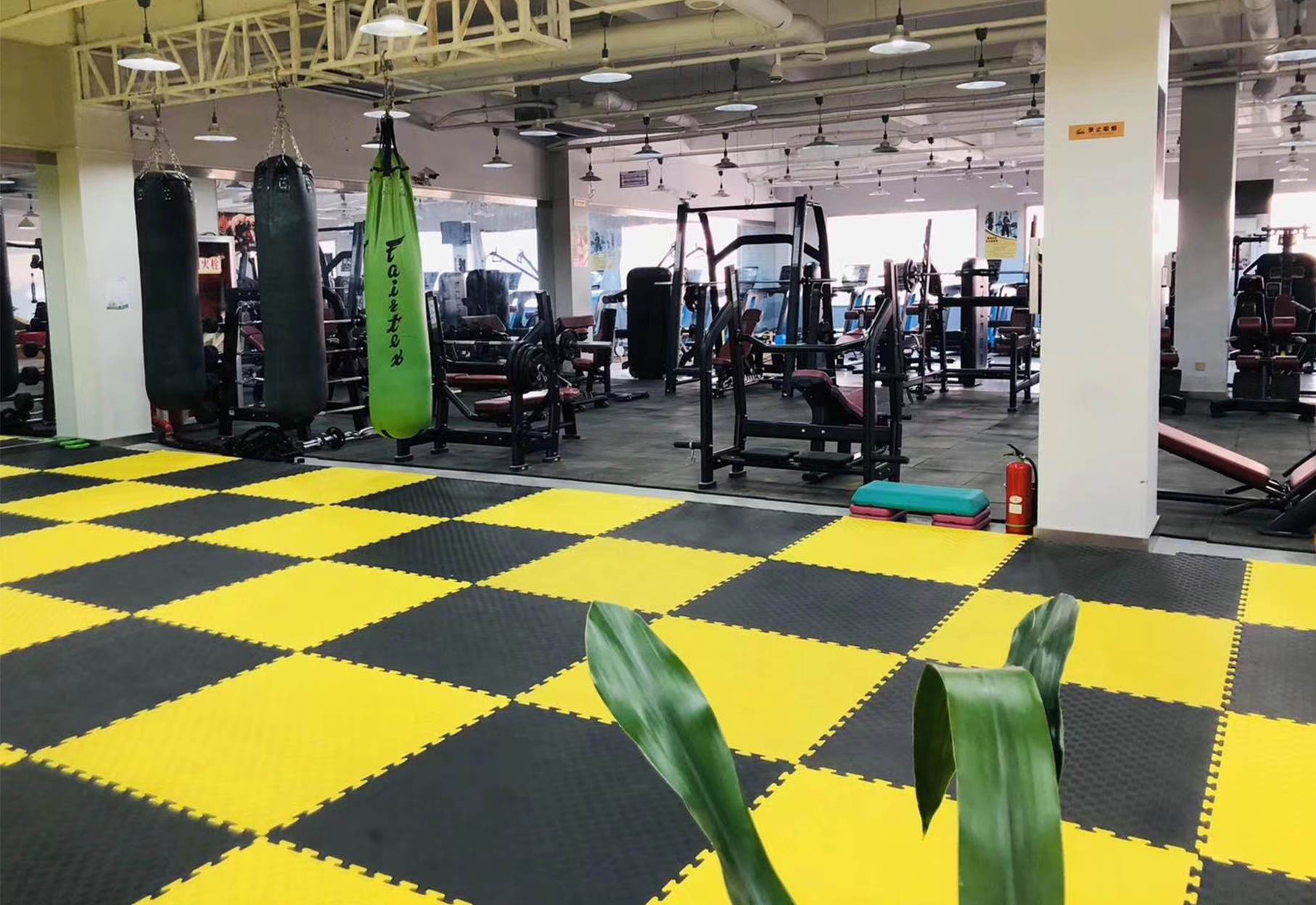
dairy farm rubber mats Supplier Custom Solutions,
Global dairy operations rely on durable, slip‑resistant rubber mats to protect workers, support equipment, and maintain hygiene in milking parlors, stalls, and feed alleys. Custom solutions meet unique layouts and climates: selecting thickness and perforation density for drainage, surface textures to reduce fatigue, edge lips to contain spills, and color‑coding to streamline workflows. Materials can be food‑grade, chemical‑resistant, and designed for easy cleaning with hot water or foam sanitizers. Added features like antimicrobial additives and UV stabilization help mats stay hygienic in demanding farm environments. Whether you run large dairies or regional farms across continents, global buyers deserve scalable production, consistent quality control, and flexible customization. Options include private labeling, multilingual documentation, and dependable lead times, plus testing for slip resistance, wear, and cleaning compatibility. The end‑to‑end service typically covers design consultation, rapid prototyping, on‑time manufacturing, and safe international shipping—reducing risk and keeping milking areas clean and safe.
| Product Type | Material | Thickness (mm) | Size (L × W, mm) | Color | Anti-slip (DCOF) | Temp Range (°C) | Certifications | Typical Use |
|---|---|---|---|---|---|---|---|---|
| Solid Rubber Stall Mat | NBR | 12 | 900 × 600 | Black | 0.65 | -20 to 80 | FDA, RoHS | Dairy stall flooring for cattle comfort and easy cleaning |
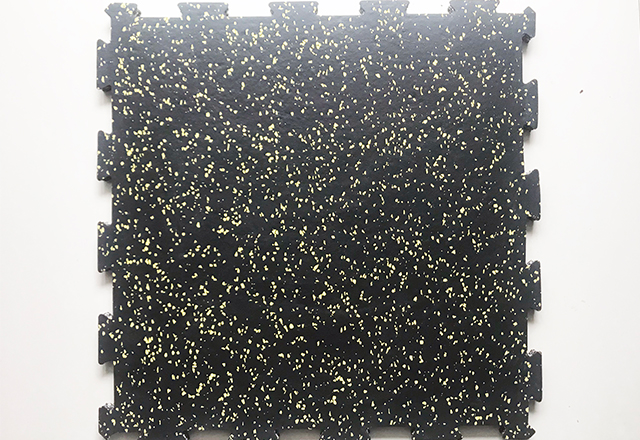
| Interlocking Dairy Stall Mat | SBR/NBR composite | 8 | 500 × 500 | Black / Gray | 0.48 | -20 to 70 | FDA, RoHS | Modular stall mats for flexible dairy housing |
| Anti-fatigue Rubber Mat | NBR with EVA foam core | 15 | 1000 × 600 | Brown | 0.55 | -10 to 60 | Latex-free, RoHS | Milking parlor mats to reduce leg fatigue |
| Perforated Dairy Mat | NBR | 10 | 600 × 400 | Black | 0.62 | -20 to 60 | FDA, REACH | Drainage mats for stalls to reduce manure buildup |
| Heavy-Duty Rubber Mat | EPDM/NBR composite | 20 | 1200 × 900 | Black | 0.50 | -20 to 70 | RoHS | High-traffic dairy alleys and platforms |
| Interlocking Cushioned Mat | EVA over Rubber | 12 | 600 × 600 | Gray | 0.58 | -15 to 50 | Latex-free | Workshop and parlor crossovers |
Related Products
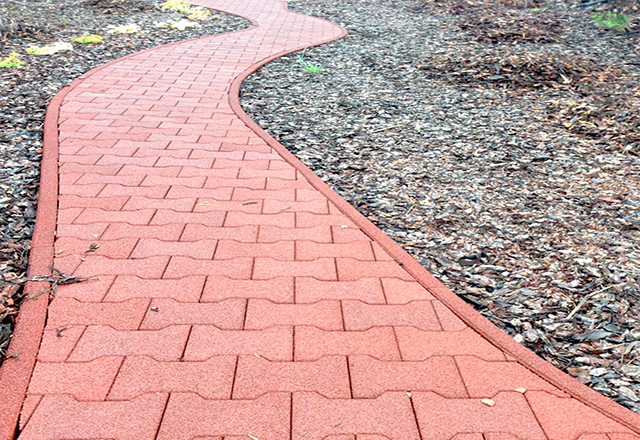
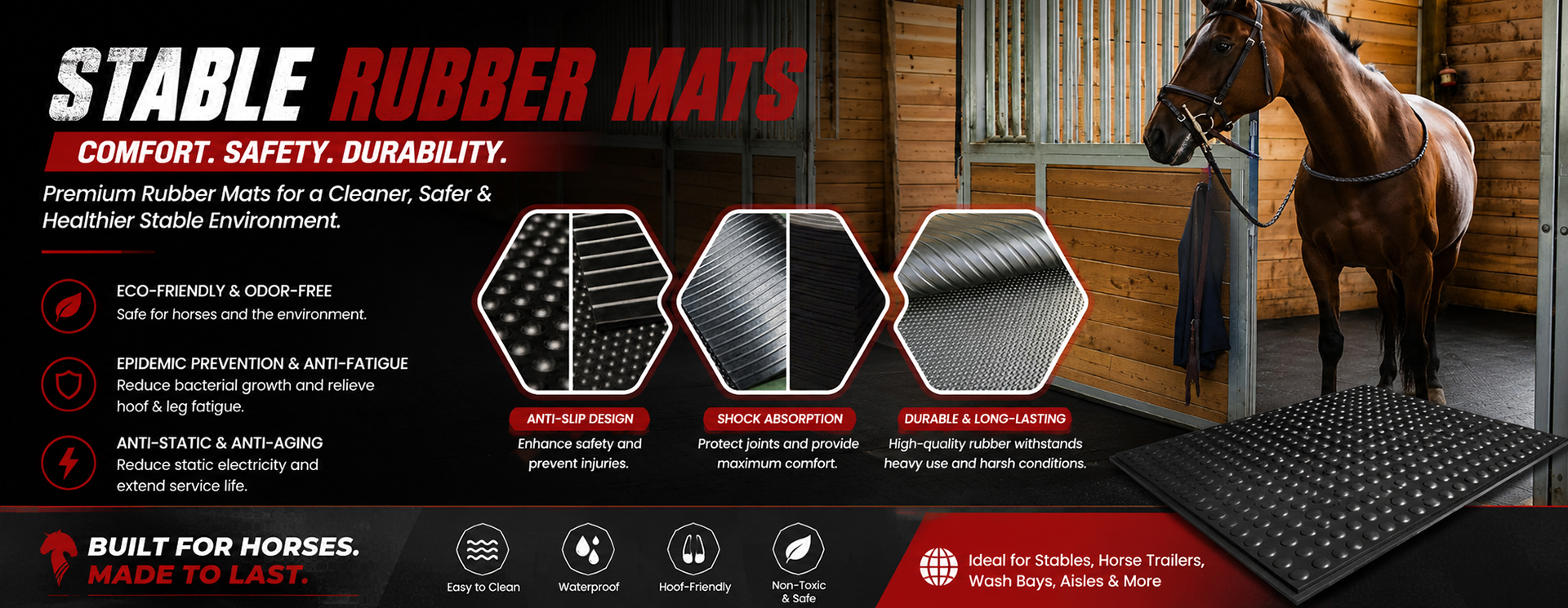
dairy farm rubber mats Application Is The Best
Top Selling Products
- Related Blog
- Reviews
