
Equestrian Flooring - China Manufacturer for Stable & Arena Surfaces
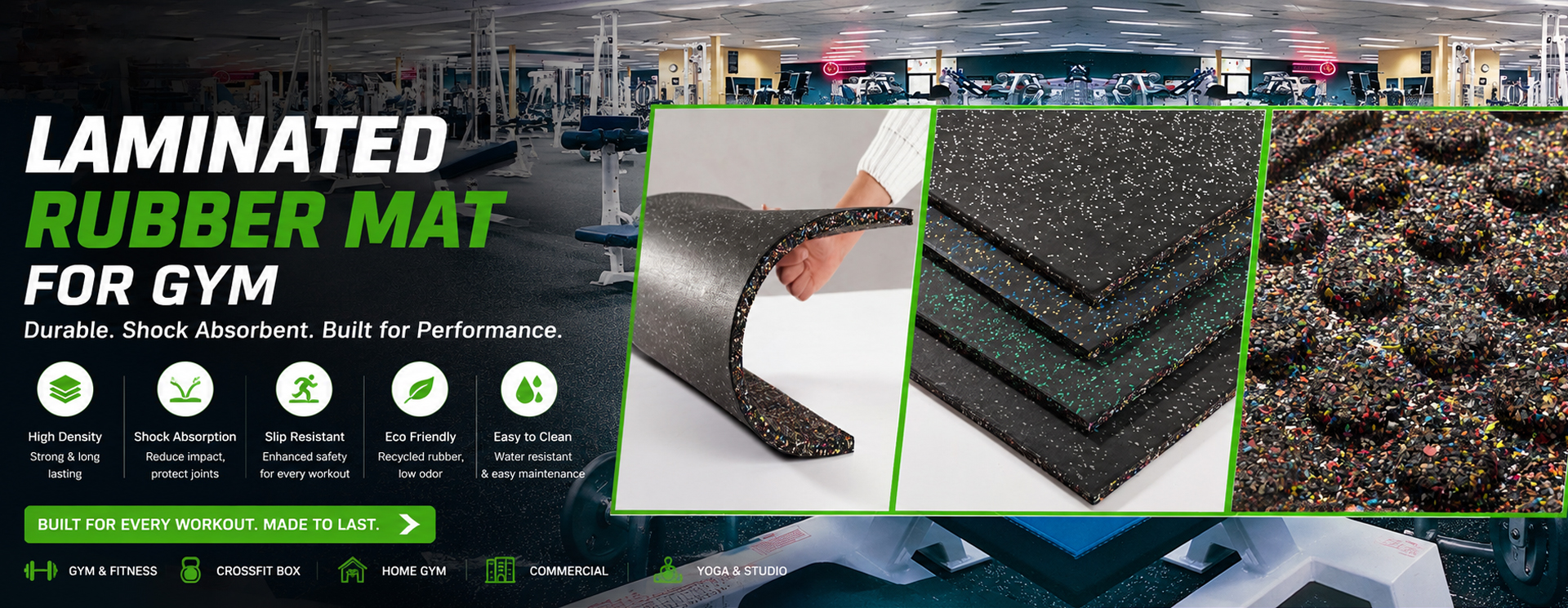
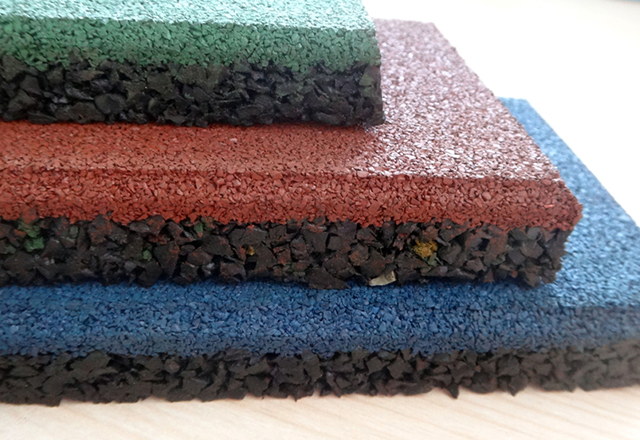
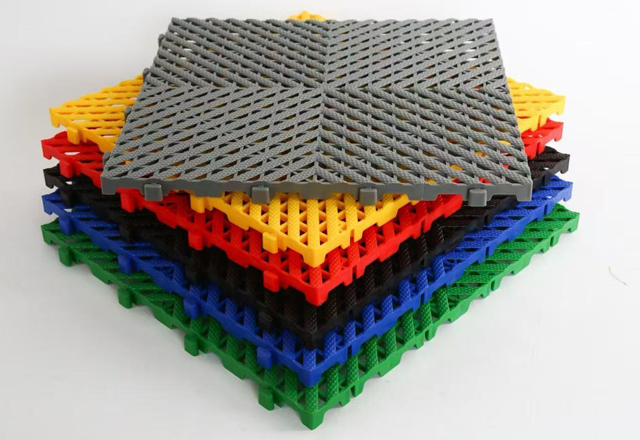
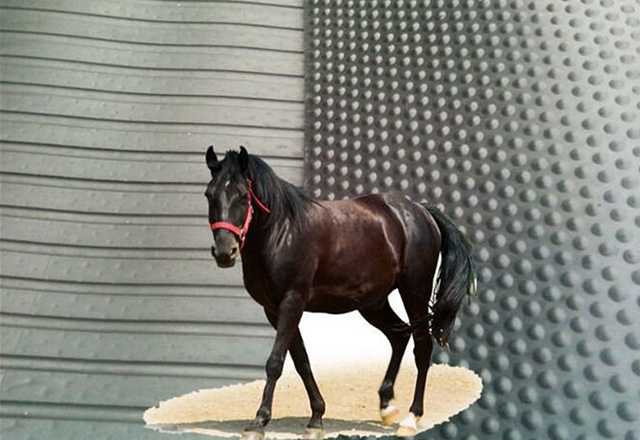
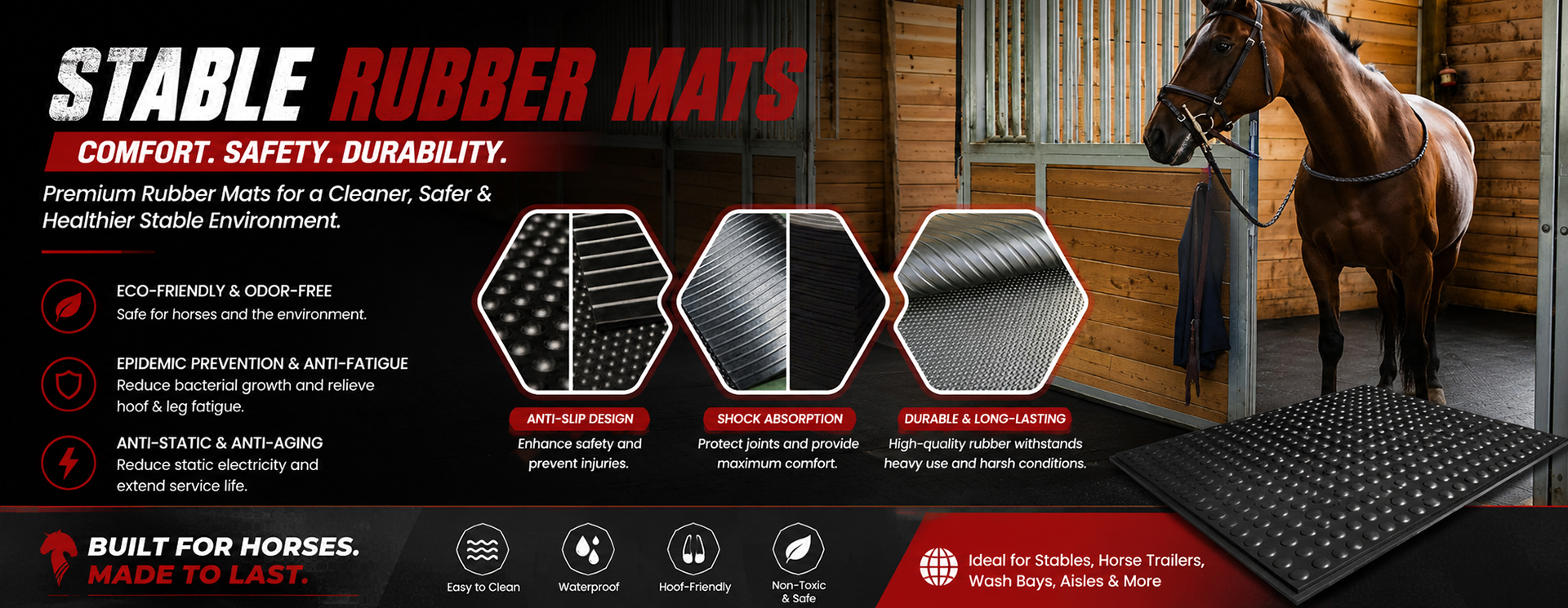
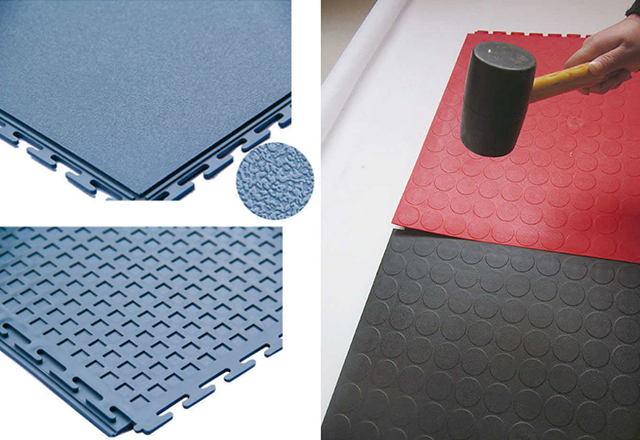
As a China-based Manufacturer, we deliver equestrian flooring built for busy stables, competitive arenas, and training yards. We design durable, non-slip surfaces with excellent drainage that stand up to hooves, manure, and daily cleaning. Our equestrian flooring features modular tiles that snap together for fast installation, easy replacement, and scalable layouts. Materials blend impact-absorbing properties with low dust and moisture resistance, helping protect joints and reduce grooming time. The surface stays clean with hose-downs, brushes, and resistant to weather, UV, and chemicals. We offer customization in thickness, color, and tile profile to fit stalls, walkways, lanes, or show rings, and we provide fast lead times and flexible MOQ for buyer needs in China and overseas. Compliance with safety standards ensures reliable grip and reduced risk of slips. If you’re planning a stable upgrade or arena refurbishment, our flooring balances performance, longevity, and cost with strong supplier support and aftersales service.
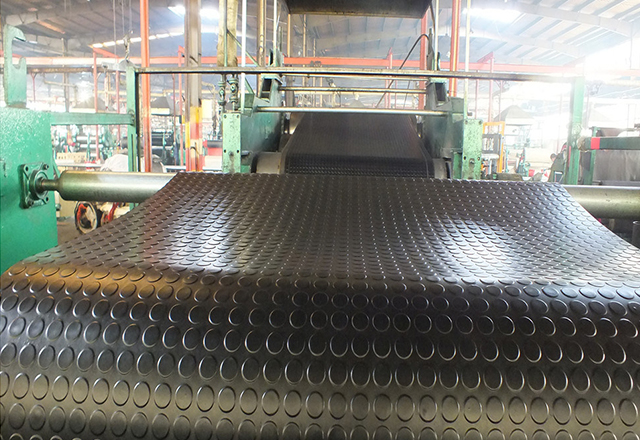
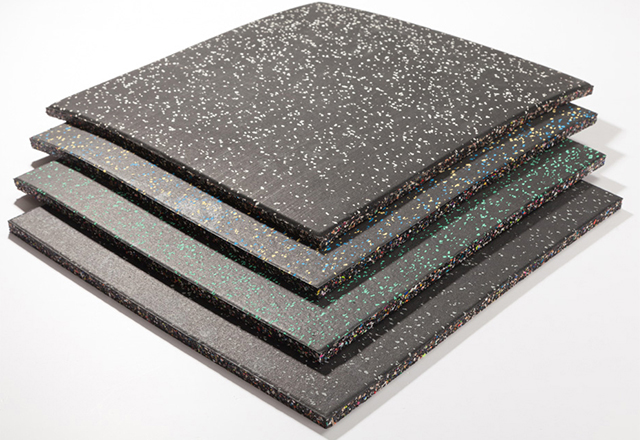
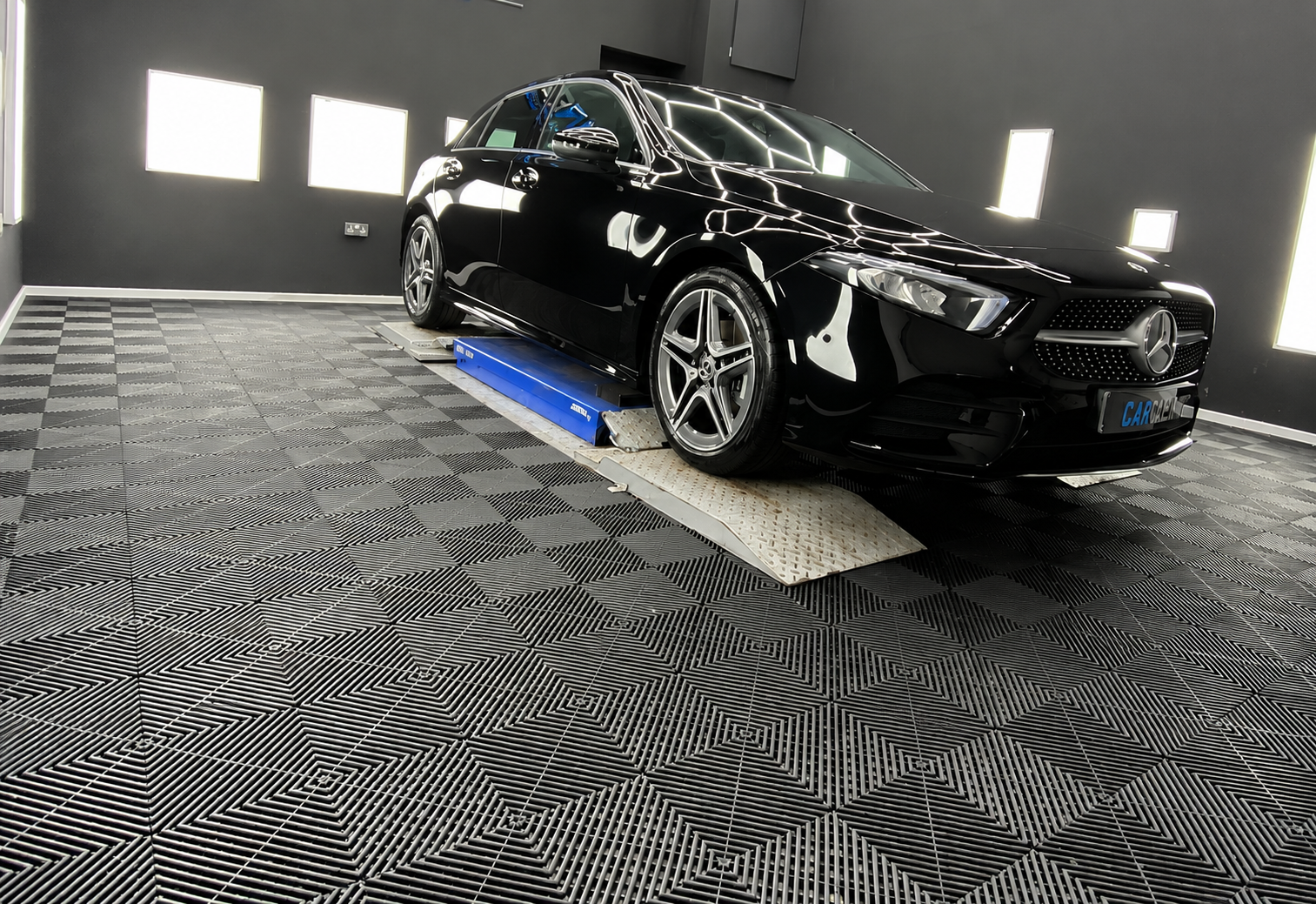
equestrian flooring Now Trending Guarantees Peak Performance
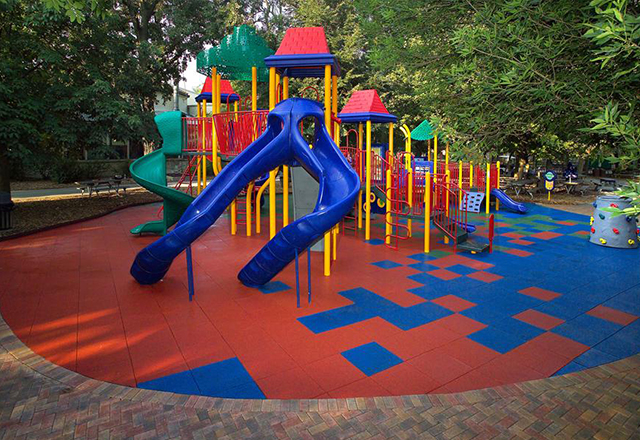
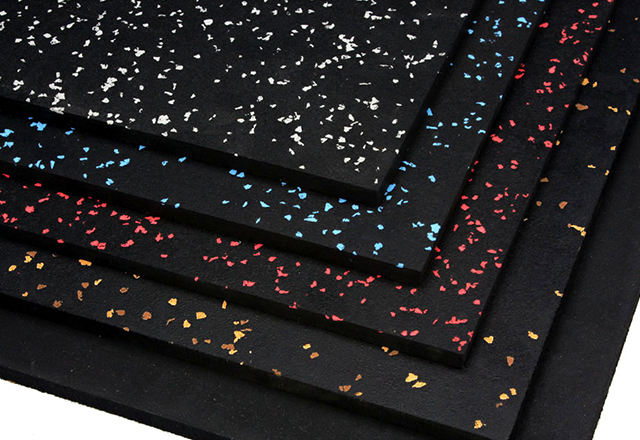
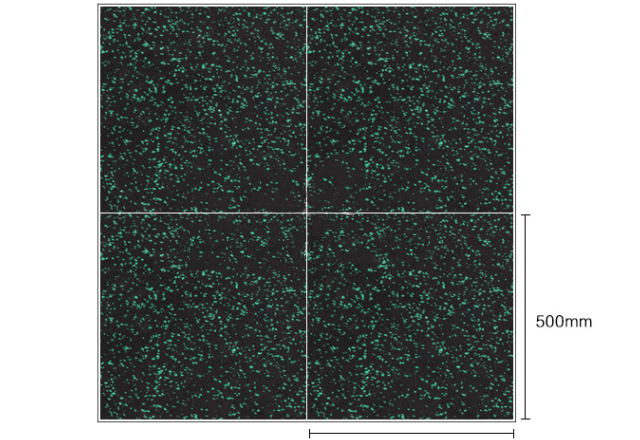
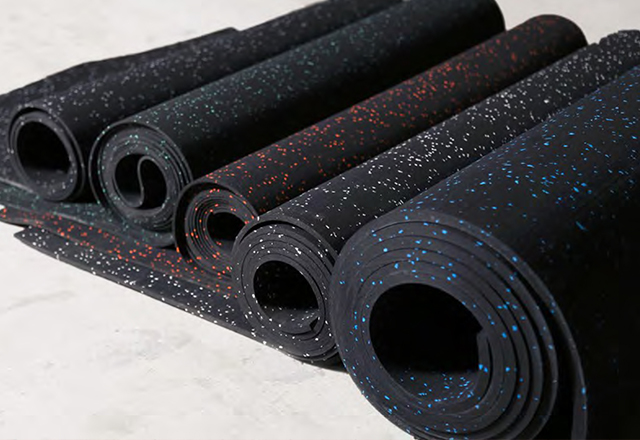
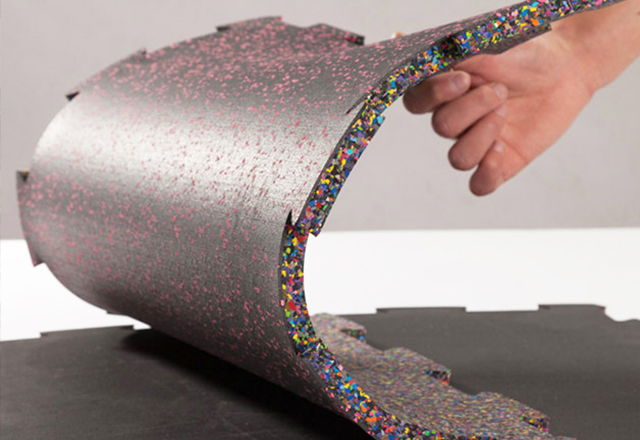
Equestrian flooring is trending because proven rubber technologies now deliver measurable gains in performance, safety, and longevity. Advanced rubber formulations provide superior shock absorption and grip to reduce fatigue and injury for both horse and rider, while wear-resistant surfaces withstand heavy hoof traffic and variable climates. Modular tiles and roll goods offer fast installation, customizable thickness and profiles for dressage, jumping, or turnout areas, and easy cleaning to maintain hygiene and odor control—key for high-use arenas and stables. For global buyers, these systems mean lower lifecycle costs, predictable supply, and scalable production to meet bulk orders and bespoke specifications. Sustainable options using recycled content, strict quality control and international shipping support make adoption straightforward for equestrian centers worldwide. Specify performance requirements and receive tailored recommendations, samples, and competitive quotes to ensure your facility achieves peak performance and long-term value.
| Material Type | Surface Texture | Shock Absorption (mm) | Drainage Efficiency (%) | Maintenance Frequency | Recommended Use | Average Lifespan (yrs) | Environmental Impact | Installation Complexity | Traction Performance | Recommended Footing Depth (mm) | Dust Control (1-5) | Water Permeability (mm/hr) | Thermal Insulation (R-value) |
|---|---|---|---|---|---|---|---|---|---|---|---|---|---|
| Sand-Polymer Blend | Fine-grain, cohesive | 30 | 85% | Weekly (dragging) | Dressage, general arenas | 8–12 | Moderate — quarried sand + inert polymer | Medium | Excellent | 50–70 | 4 | 400 | 0.8 |
| Rubber Crumb | Granular, resilient | 40 | 70% | Monthly (leveling) | High-impact disciplines, indoor | 10–15 | Moderate–High — recycled content concerns | Medium | Very Good | 40–60 | 5 | 250 | 1.2 |
| Wood Fiber | Soft, fibrous | 35 | 80% | Weekly (replenish) | Eventing, schooling | 3–6 | Low — biodegradable if sourced well | Low | Good | 80–120 | 3 | 600 | 1.0 |
| Recycled Rubber Mats | Uniform mat surface | 25 | 95% | Low (surface cleaning) | Stalls, wash bays, arena crossovers | 15–20 | Moderate — long service life, recycled input | Low | Good | 10–20 | 5 | 1000 | 1.5 |
| Stone Dust Stabilized | Firm, compacted | 15 | 60% | Daily (watering, dragging) | Outdoor competition rings | 7–12 | Moderate — mining footprint | High | Excellent (when maintained) | 40–80 | 2 | 300 | 0.6 |
| Synthetic Fiber Mesh (reinforced) | Even, engineered | 28 | 90% | Biweekly | High-performance competition | 12–18 | Low–Moderate — durable synthetic components | High | Excellent | 60–100 | 4 | 500 | 1.0 |
| Clay-Based Arena | Cohesive, tacky when wet | 12 | 30% | Daily (grading, watering) | Polo fields, some outdoor arenas | 8–15 | High — erosion and compaction issues | Medium | Fair (can be slippery) | 80–150 | 1 | 50 | 0.4 |
Related Products
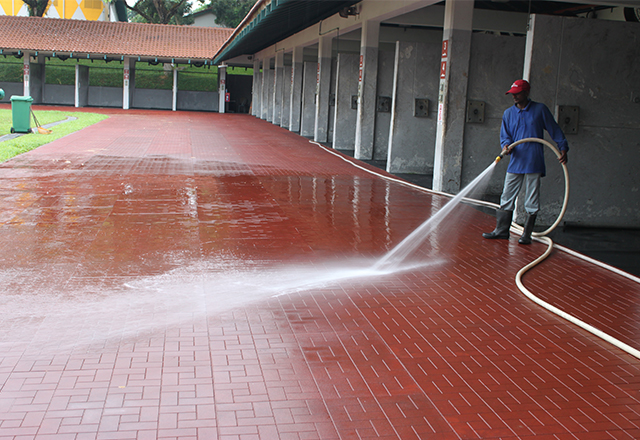
equestrian flooring Service Service Backed by Expertise
Top Selling Products
- Related Blog
- Reviews
