
EVA interlocking foam mats - China Manufacturer for Durable Flooring
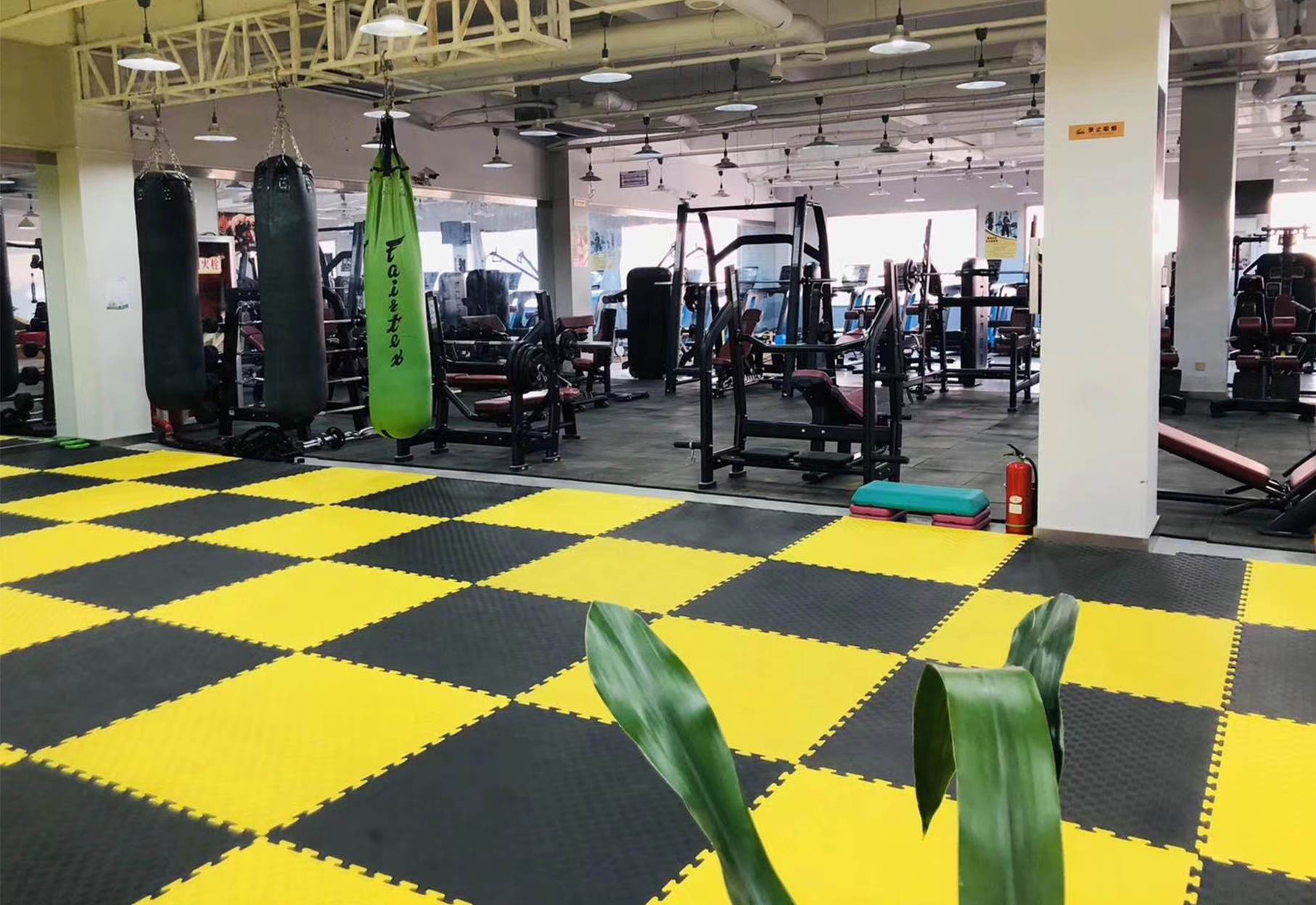
I’m a dedicated B2B supplier from a China-based Manufacturer, and I bring you EVA interlocking foam mats that stand up to daily training, kids play areas, or gym floors. Our mats are lightweight, durable, and non-slip, with beveled edges for a seamless look. I design them to easy assemble in any space, whether you’re equipping schools, daycare centers, or fitness studios. We produce with EVA foam, ensure anti-slip surfaces, moisture resistance, and easy cleaning for busy facilities. As a manufacturer, we offer customization options: thickness, colors, and logo printing to match your brand. Our minimum order quantities are reasonable for startups and scaling projects, and we can ship worldwide from our factory in China. You’ll get strict QA, competitive pricing, and on-time delivery. If you seek reliable EVA interlocking foam mats supplier who understands international buyers, I’m here to help your project stay safe, compliant, and cost-effective.
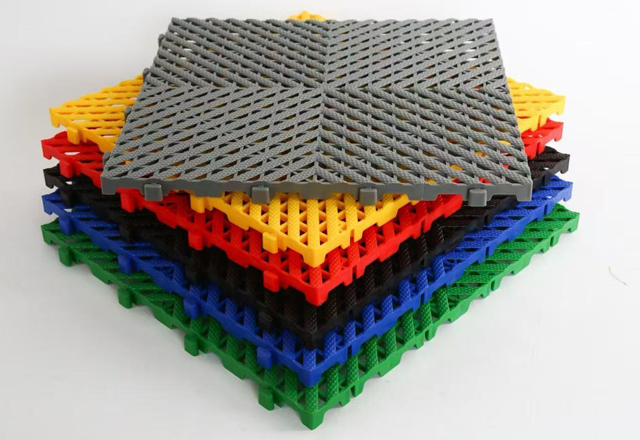
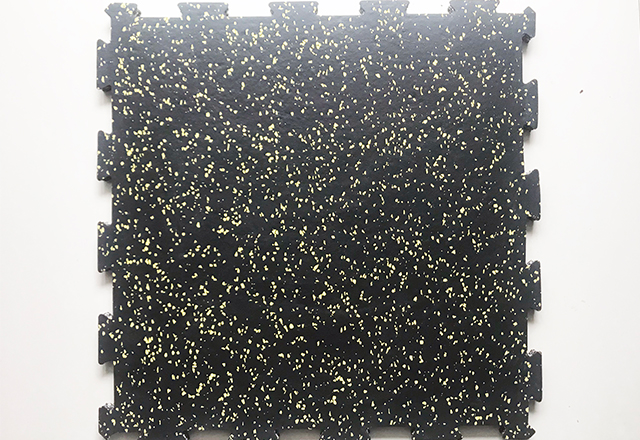
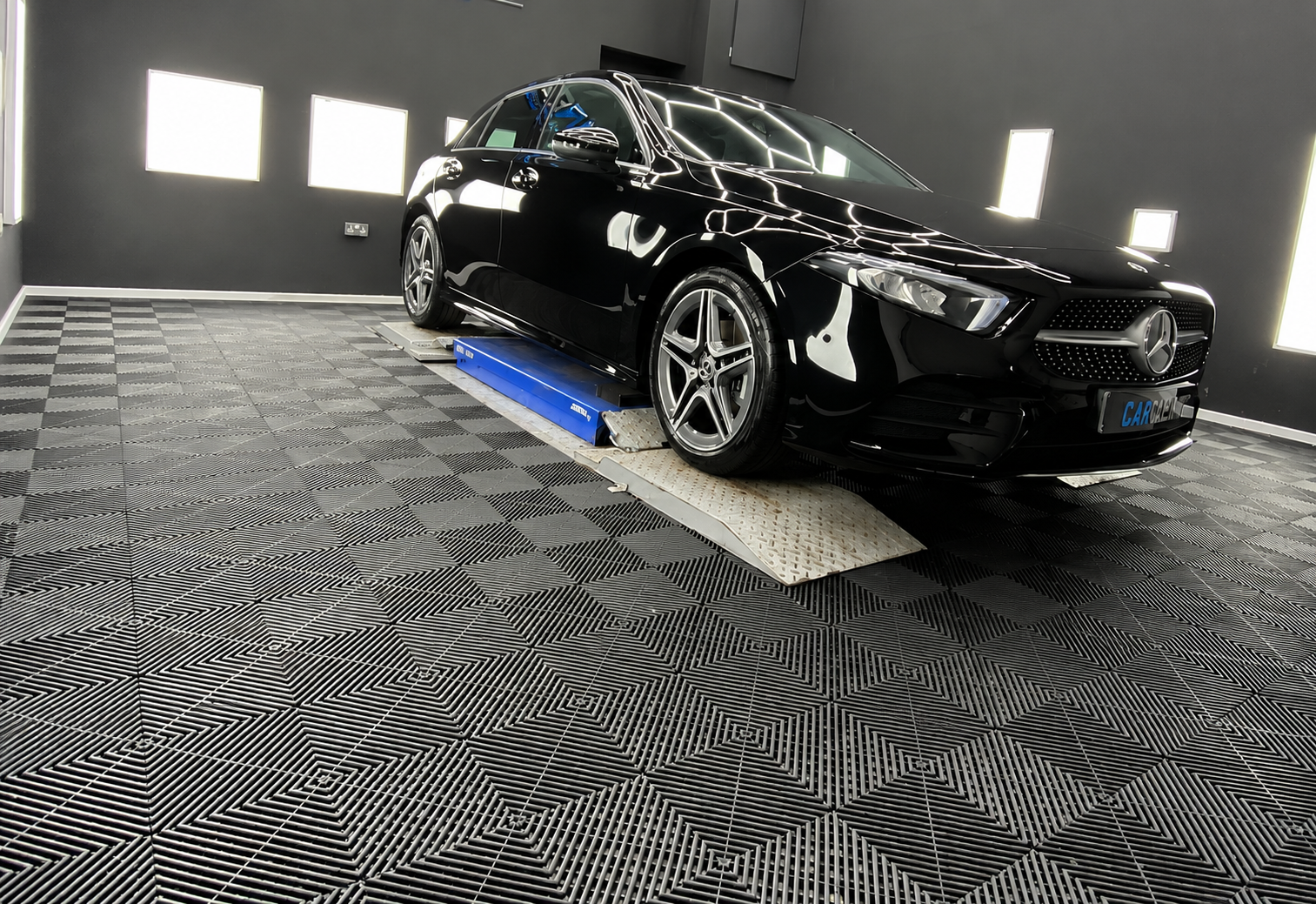
EVA interlocking foam mats in 2025 Where Innovation Meets 2025
Across education, fitness, and play spaces, EVA interlocking foam mats are redefining modular flooring in 2025. Global buyers expect surfaces that install in minutes, withstand heavy use, and cleanse quickly between activities. Innovations include precision-fit interlocks, reinforced edges to resist peeling, and textures balancing anti-slip grip with easy maintenance. A broad palette of colors supports branding and wayfinding without complex installation. Material advances emphasize safety and sustainability. Mats increasingly use recycled content and enable end-of-life recycling, while cutting VOCs and avoiding harmful additives. Antimicrobial protection and UV stabilization help hygiene in busy environments. Third-party certifications and transparent test reports ensure regional compliance, traceability, and confidence for schools, gyms, clinics, and public facilities across markets. From a procurement perspective, regional production, modular formats, and flexible MOQs help align orders with demand, shorten lead times, and reduce storage needs. Custom thickness, edge profiles, and color options tailor these mats to design goals and budgets, making them a versatile foundation for active spaces worldwide.
EVA interlocking foam mats in 2025 Where Innovation Meets 2025
| Region | Market Segment | Tile Size (cm) | Thickness (mm) | Interlock Type | EVA Density (kg/m3) | Certifications | Recyclability | Customization Options | Install Time per 10 m2 (hrs) | Life Expectancy (years) |
|---|---|---|---|---|---|---|---|---|---|---|
| North America | Home Gym | 30 x 30 | 12 | Puzzle | 50 | REACH compliant; CPSIA; Prop 65-free | Fully recyclable | Color options; texture choices; no-logo option | 2–4 | 7 |
| Europe | School & Daycare | 60 x 60 | 15 | Finger-lock | 60 | EU REACH; EN 71-3 | High recyclability | Multiple color sets; edge trim available | 3–6 | 6–9 |
| Asia-Pacific | Play Areas | 60 x 60 | 20 | Puzzle | 65 | Non-toxic; REACH; RoHS-compliant | Partial recyclability via local programs | Bright colorways; texture & thickness options | 4–7 | 6–8 |
| Latin America | Fitness Centers | 30 x 30 | 12 | Tongue-and-Groove | 50 | Non-toxic; Prop 65-free | Limited recyclability | Solid colors; batch-specific colorways | 2–5 | 5–7 |
| Africa & Middle East | Home & Commercial | 30 x 30 | 15 | Edge-to-Edge | 55 | REACH; Non-toxic | Fully recyclable | Color options; modular layouts | 3–5 | 6–8 |
| Global Initiatives | Eco-friendly Initiatives | 60 x 60 | 18 | Finger-lock | 58 | REACH; Non-toxic | Recyclable through specialized programs | Sustainable colorways; branding-free options | 5–9 | 8–10 |
Related Products
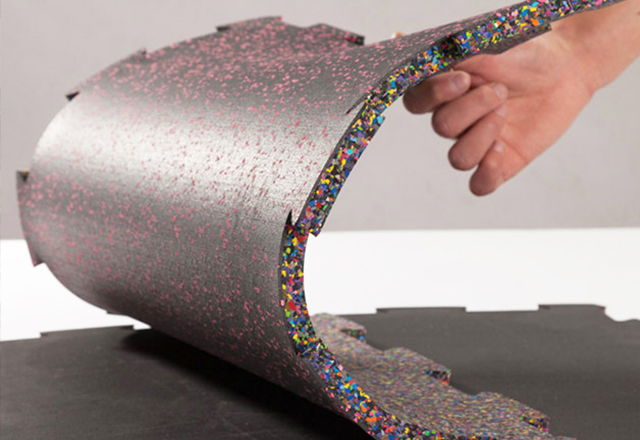
EVA interlocking foam mats Service Pioneers in the Field
Top Selling Products
- Related Blog
- Reviews
