
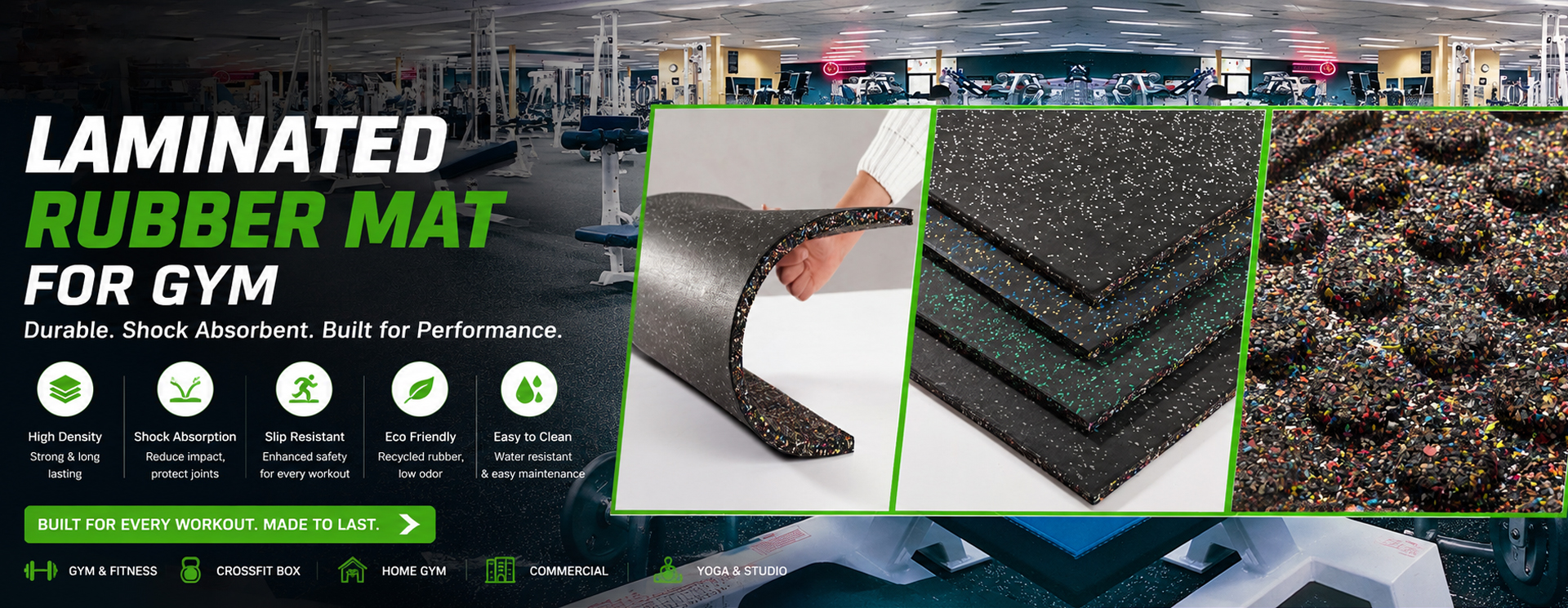
Factory Floor Tiles: China Manufacturer for Durable Flooring Solutions
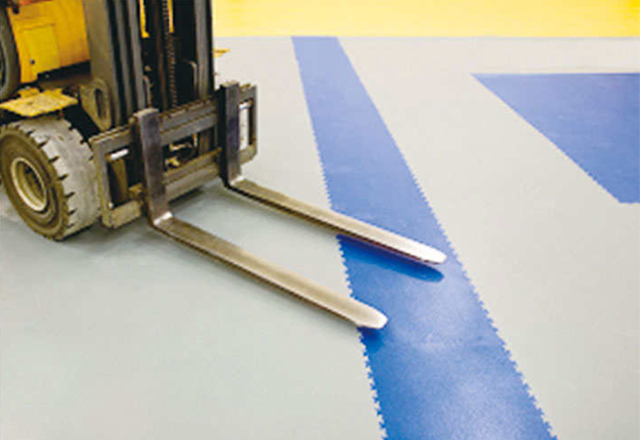
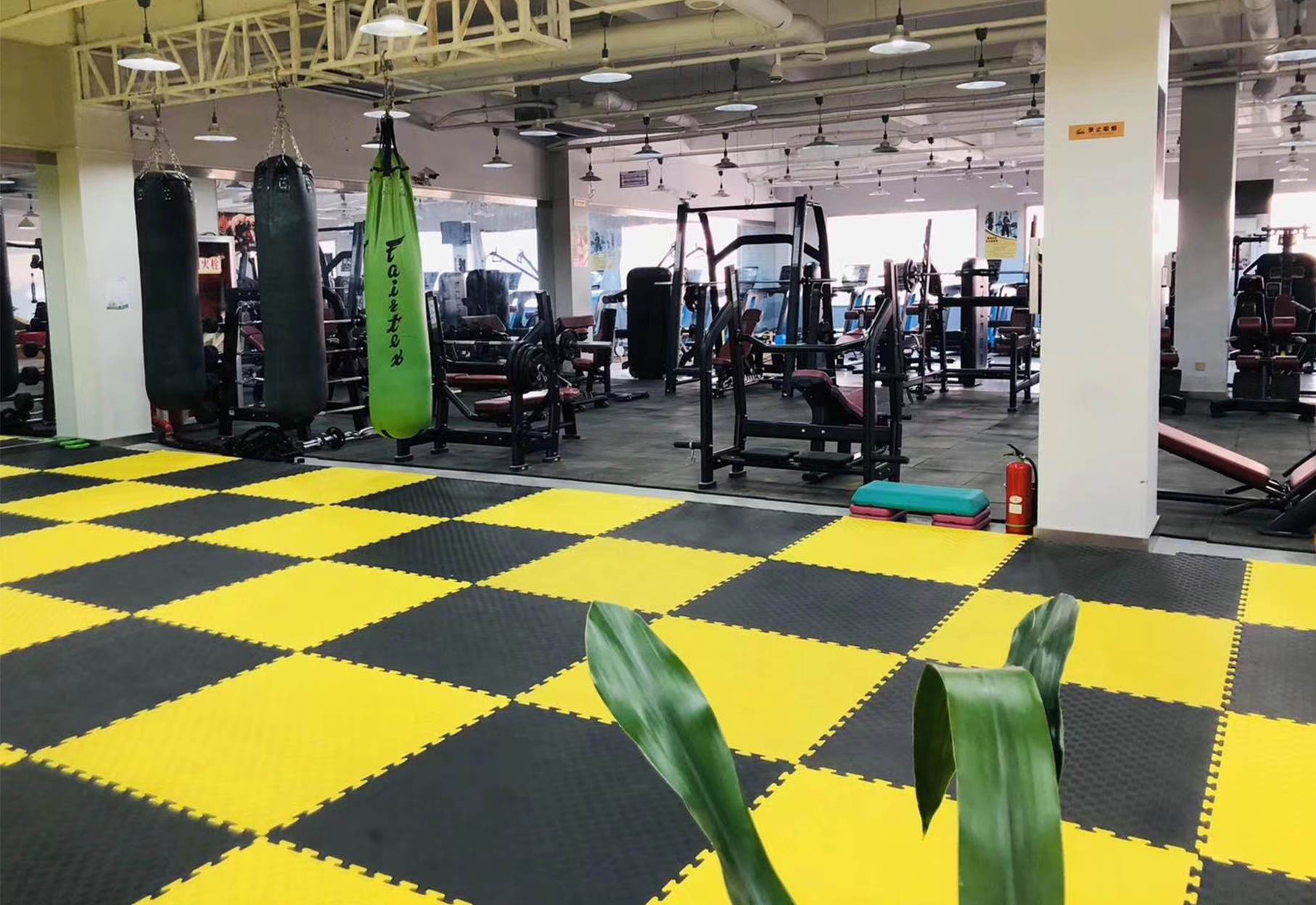
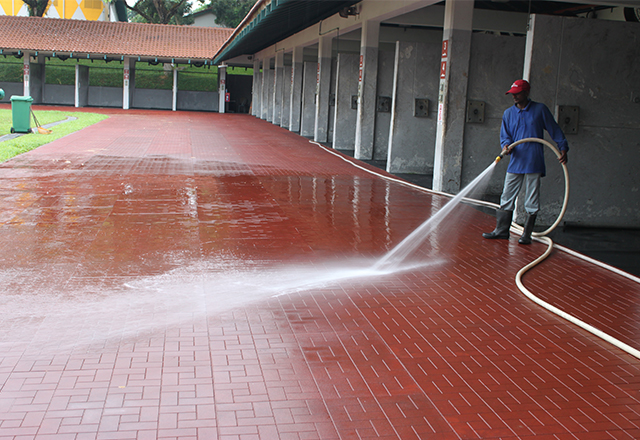
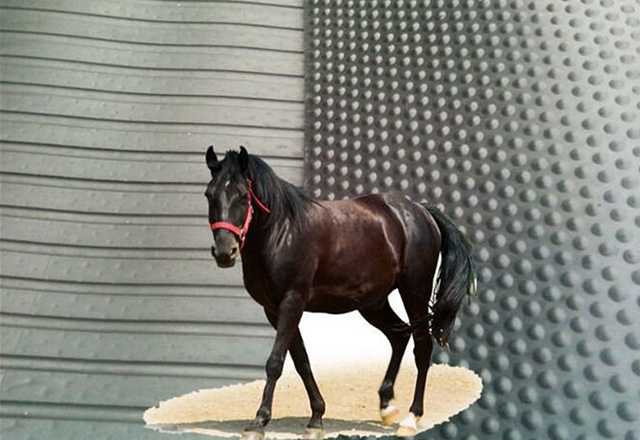
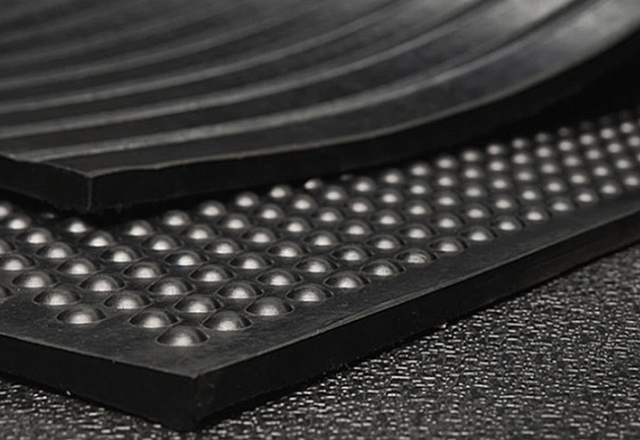
For years in industrial flooring procurement, I’ve offered factory floor tiles designed for busy plants. As a China Manufacturer, I know what you need: tough, long-lasting, and easy to maintain. Our tiles resist abrasion, oils and chemicals, while offering solid slip resistance for safe operations. They’re modular, quick to install, and cut downtime during maintenance. I provide a range of thicknesses and textures to match your loading requirements and aisle patterns, plus color options for zone coding. With corrosion and impact resistance, these tiles extend service life and lower replacement costs. I deliver complete technical data, installation guidance, and reliable on-time delivery from China. Whether you’re outfitting a single line or a full facility retrofit, I can scale production and logistics to your schedule and budget. Let me help you upgrade to a safer, more productive floor.
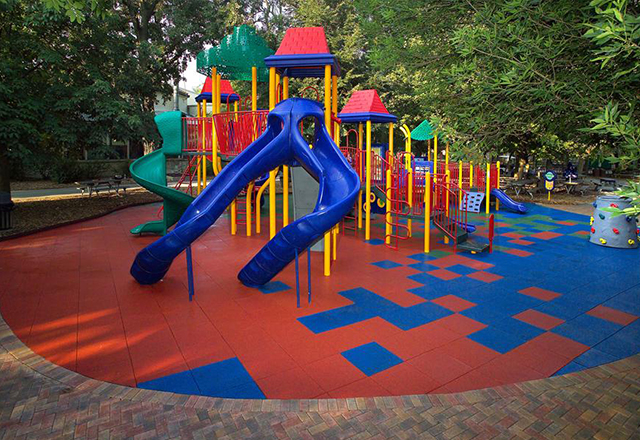
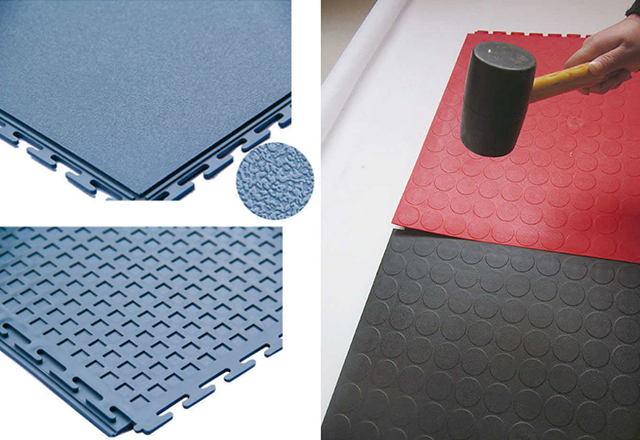
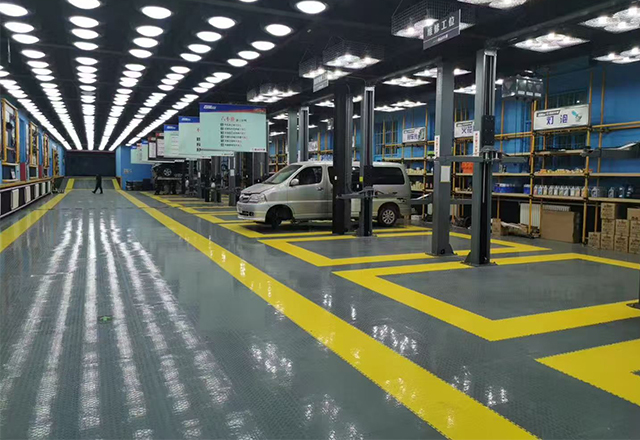
factory floor tiles in 2025 Supplies the World\u2019s Top Brands
As global manufacturers modernize and tighten safety standards, factory floor tiles have become a strategic asset. In 2025, durable rubber and composite tiles meet the needs of warehouses, production lines, retail, and healthcare—where uptime, slip resistance, and cleanability matter most. Modern tiles deliver impact absorption, chemical resistance, and modular design for fast replacement and minimal downtime. Standardized testing and consistent production enable reliable quality across multi-site operations. Global procurement teams should look for suppliers who offer transparent data, scalable stock, and customized options—thickness, texture, color, and edge profiles—plus certifications and traceability. Request performance data, fire safety ratings, VOC content, warranties, and clear lead times. Discuss logistics options, partial shipments, and buffer stock to protect schedules. A dependable partner provides worldwide delivery, responsive technical support, and proven field references to maintain uniform floor performance in factories, warehouses, and showrooms.
| Region | Tile Type | Material | Average Size (mm) | Finish | Thickness (mm) | Durability (1-5) | Recycled Content (%) | CO2e per m2 (kg CO2e) | Certifications | Production Capacity (million m2/year) | Applications |
|---|---|---|---|---|---|---|---|---|---|---|---|
| Asia-Pacific | Porcelain Tile | Porcelain | 600x600 | Glazed | 11 | 4.6 | 30 | 2.1 | ISO 9001; ISO 14001 | 800 | Residential, Commercial |
| Europe | Ceramic Tile | Ceramic | 600x600 | Matte | 10 | 4.4 | 35 | 1.9 | ISO 9001; EN 14001 | 350 | Residential, Public |
| North America | Porcelain Tile | Porcelain | 800x800 | Glazed | 12 | 4.5 | 28 | 2.2 | ISO 9001 | 270 | Commercial, Healthcare |
| Latin America | Ceramic Tile | Ceramic | 600x600 | Matte | 9 | 4.2 | 25 | 1.7 | ISO 9001 | 150 | Residential |
| Middle East & Africa | Porcelain Tile | Porcelain | 600x1200 | Satin | 10 | 4.3 | 20 | 2.0 | ISO 9001 | 100 | Commercial, Outdoor |
| Oceania | Ceramic Tile | Ceramic | 600x600 | Glazed | 9 | 4.1 | 28 | 1.8 | ISO 9001 | 40 | Residential |
Related Products
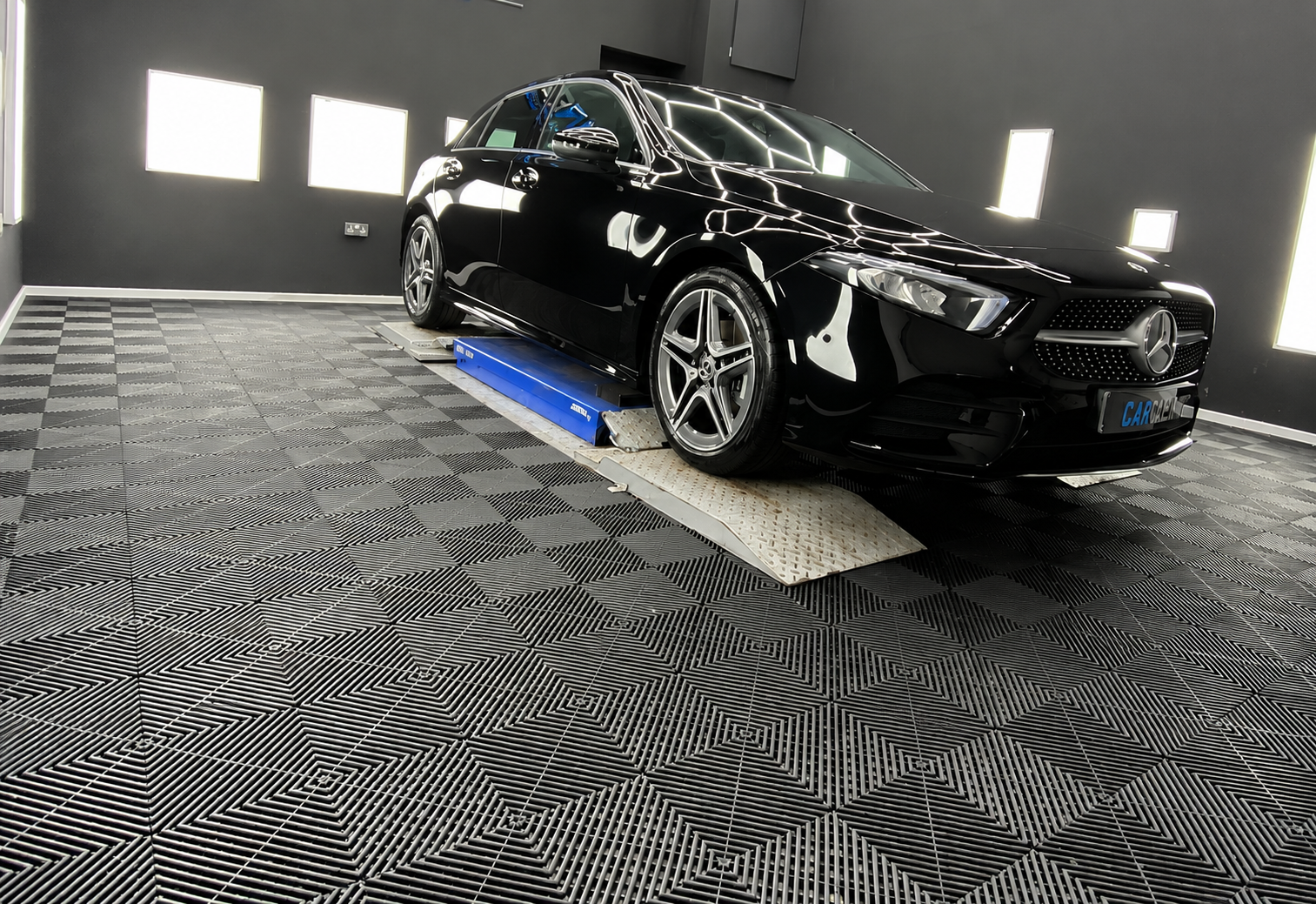
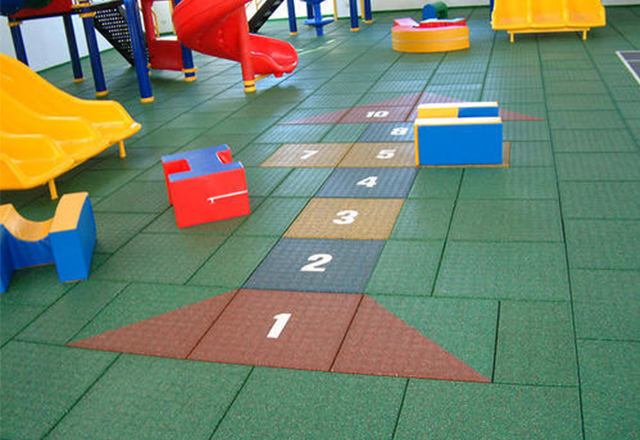
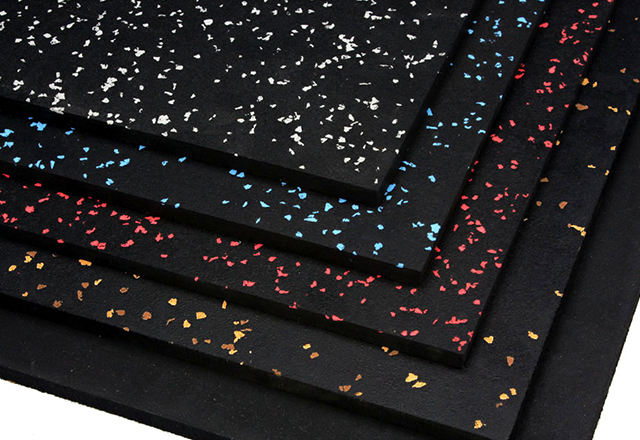
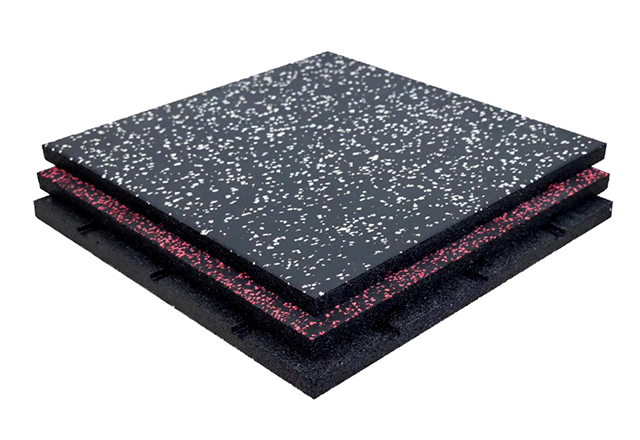
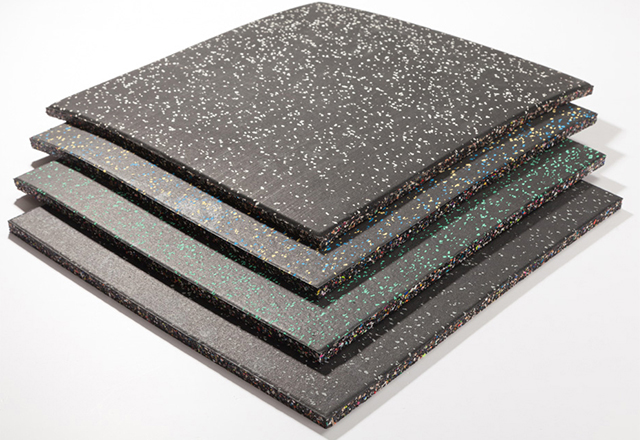
factory floor tiles in 2025 Factory-Direct Excellence
Top Selling Products
- Related Blog
- Reviews
