
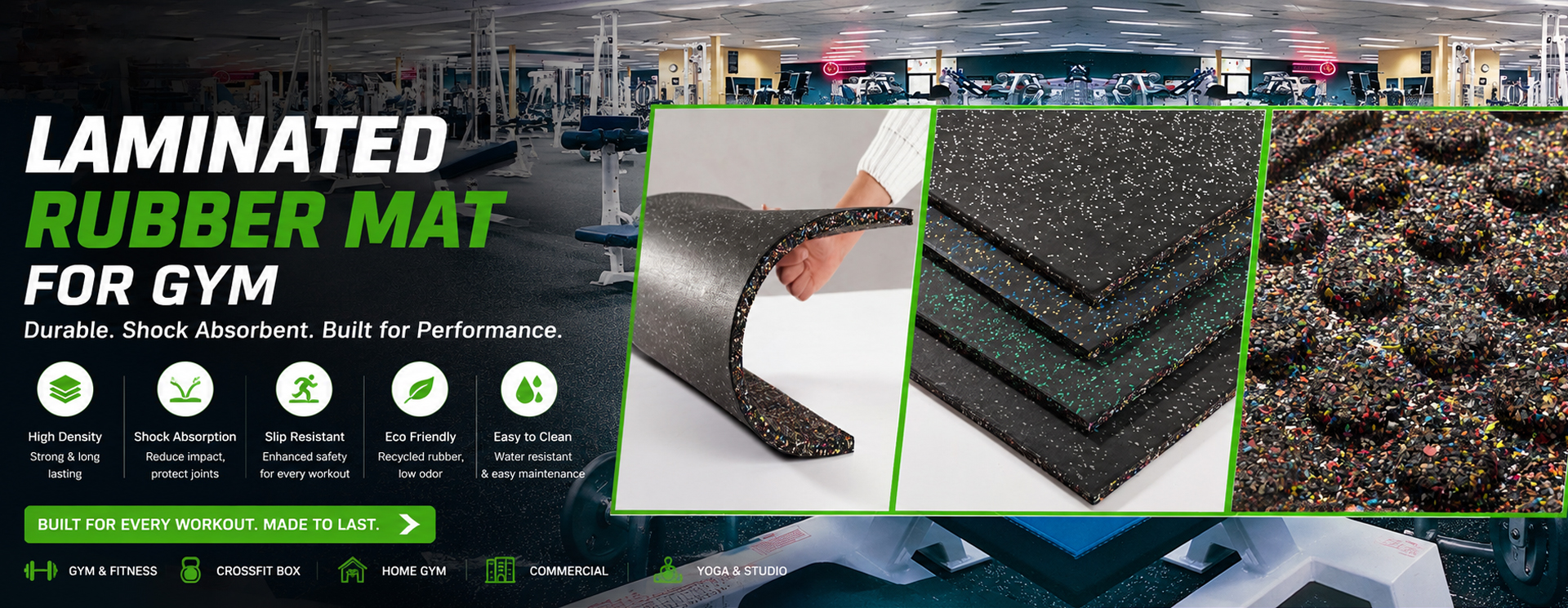
Fitness Center Flooring - China Manufacturer | Durable Gym Flooring
We are a China-based Manufacturer delivering dependable fitness center flooring for gym projects across the globe. For B2B buyers, we offer durable rubber, vinyl, and modular options that stand up to heavy foot traffic, protect subfloors, and clean easily. Our fitness center flooring provides excellent shock absorption, slip resistance, and noise reduction for weight rooms, studios, and cardio zones. Customization is available: thickness, color, formats (rolls, tiles), and edge trims to fit your floor plan. We keep competitive bulk pricing, short lead times, and export-ready documentation to support projects in China and beyond. Installation is fast and simple, with interlocking tiles or traditional adhesives, depend on site needs. We provide CO, MSDS, and safety certifications, plus after-sales support. If you are a gym operator, contractor, or distributor looking for a reliable fitness center flooring from a trusted Manufacturer, we’re ready to discuss your project and budget.
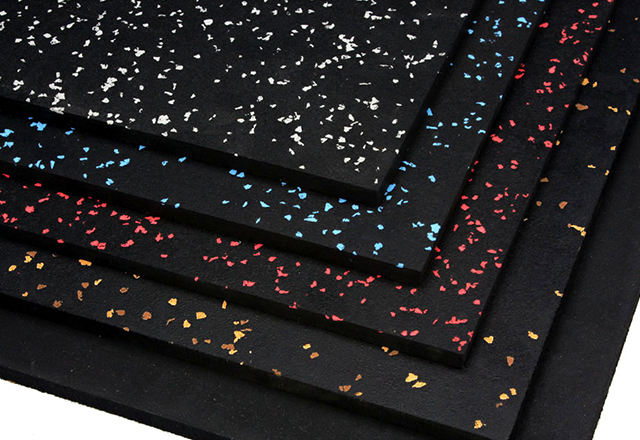
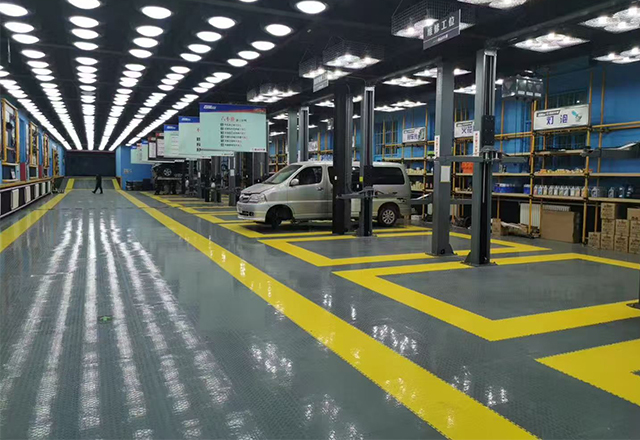
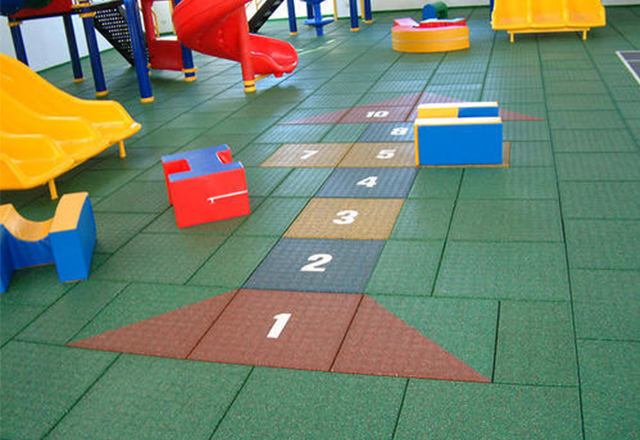
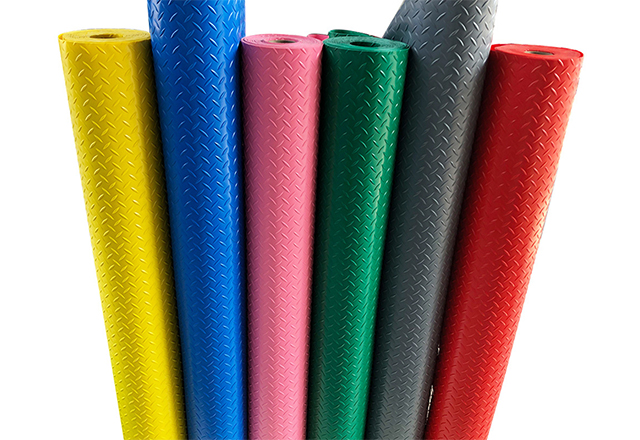
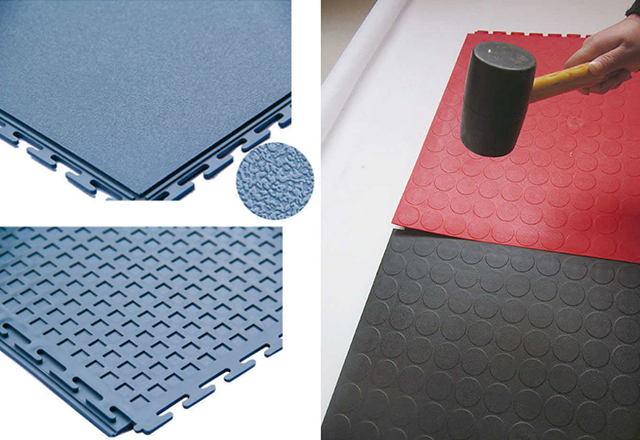
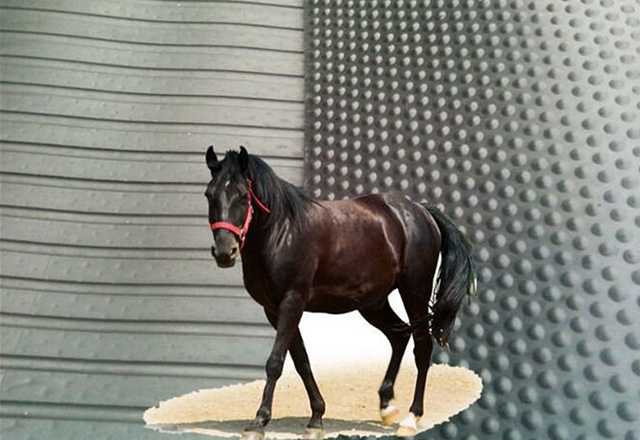
fitness center flooring Sets the Industry Standard Leads the Global Market
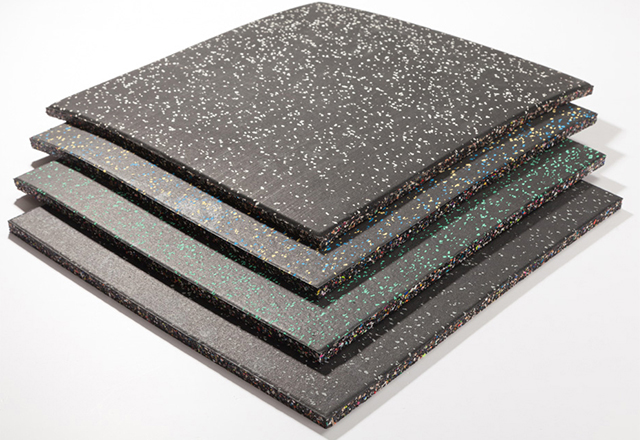
Fitness center flooring is becoming the benchmark for performance and longevity. Engineered rubber flooring in modular sets delivers high-impact shock absorption to protect joints during lifts and HIIT, while offering excellent slip resistance and quiet operation in busy spaces. The surface resists moisture and bacteria, simplifying cleaning and improving hygiene across zones. Modular tiles enable flexible layouts, easy spot replacement, and scalable aesthetics for evolving programs. As global buyers seek consistent quality across sites, top-tier rubber flooring provides standardized thicknesses, durable wear layers, and reliable warranties that reduce total cost of ownership. Standardized installation methods, anti-skid underlays, and sustainable backing materials help facilities meet safety, sustainability, and certification requirements worldwide. By prioritizing durability and maintenance ease, operators can deliver uniform performance, comfort, and brand experience from one location to the next.
| Region | Flooring Type | Material | Durability (Years) | Slip Resistance (Wet) 0-100 | Maintenance Frequency (Months) | Installation Time (Days) | Cleaning Method | Recyclability | Acoustic Benefit (dB) |
|---|---|---|---|---|---|---|---|---|---|
| North America | Rubber flooring | EPDM rubber | 15 | 85 | 6 | 2 | Wet mop with mild detergent | 95% | 18 |
| Europe | Interlocking rubber tiles | SBR rubber | 17 | 88 | 6 | 1.5 | Vacuum + damp mop | 92% | 17 |
| Asia-Pacific | Poured polyurethane rubber composite | Polyurethane with recycled rubber | 12 | 82 | 8 | 2–3 | Wet cleaning | 70% | 15 |
| Latin America | Vinyl sheet flooring | PVC | 10 | 70 | 4 | 2 | Vacuum + mop | 60% | 10 |
| Middle East | Rubber gym mat tiles | SBR/NR rubber | 20 | 90 | 7 | 1.5 | Damp mops | 78% | 16 |
| Africa | Cork-backed vinyl | PVC+Cork | 9 | 65 | 5 | 3 | Routine cleaning | 40% | 9 |
Related Products
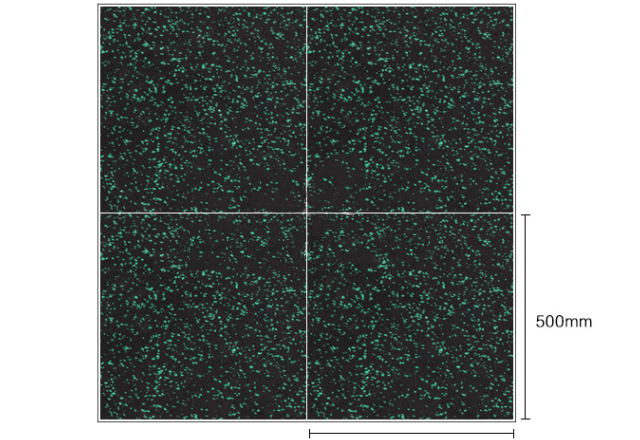
fitness center flooring Factory Stands Out
Top Selling Products
- Related Blog
- Reviews
