
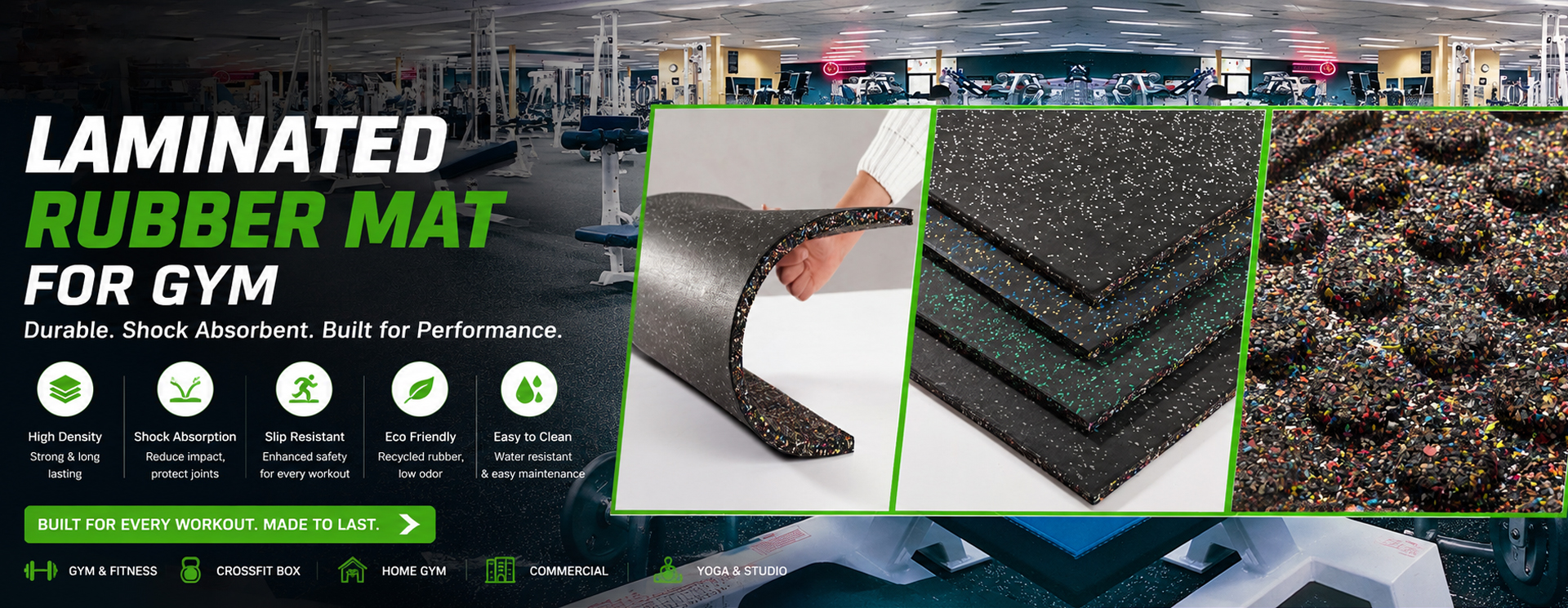
Fitness Studio Flooring - China Manufacturer for Gym & Studio Floors
From a China-based Manufacturer, I deliver fitness studio flooring that meets the demands of professional gyms worldwide. Our material choices include lightweight PVC, high-density EVA, and polyurethane options designed for heavy carts, rolling racks, and high-traffic sessions. Our fitness studio flooring offers excellent anti-slip properties, shock absorption, and easy maintenance, perfect for HIIT, yoga, weightlifting areas, and cardio zones. I understand B2B buyers want long-term durability and fast delivery; that's why our flooring is fire-retardant, with low VOCs, and comes in modular tiles or roll options to fit any studio layout. We offer customized colorways, thickness, and edge trims. As a China Manufacturer, we can scale orders, provide test samples, certifications (EN 14904, CE), and quick lead times. Partner with us for a cost-effective solution that reduces risk of injury, simplifies installation, and keeps your clients coming back.
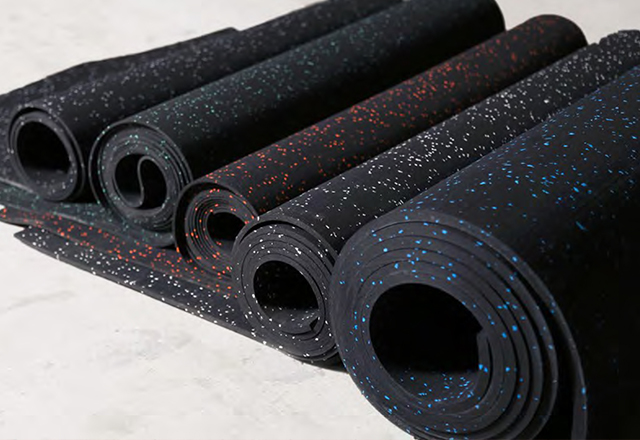
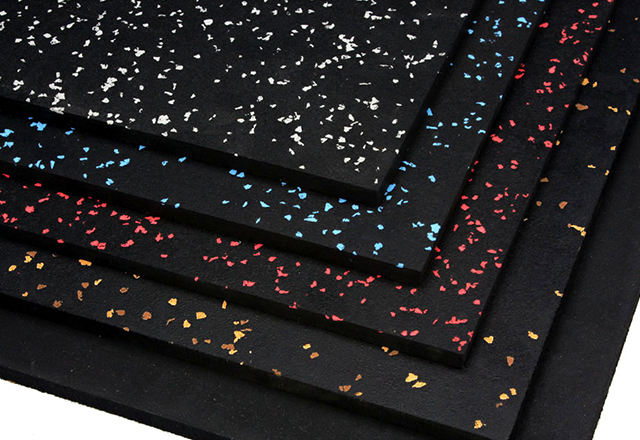
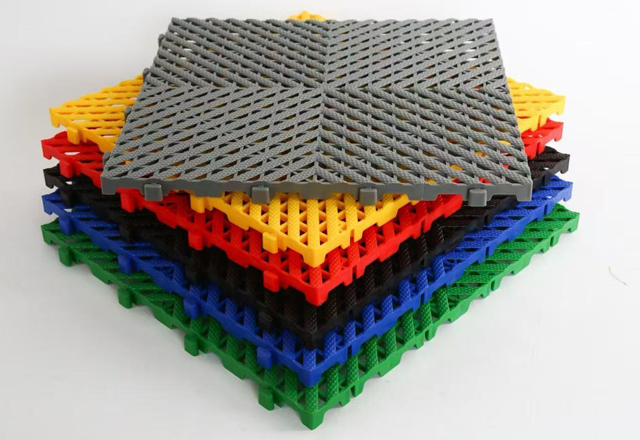
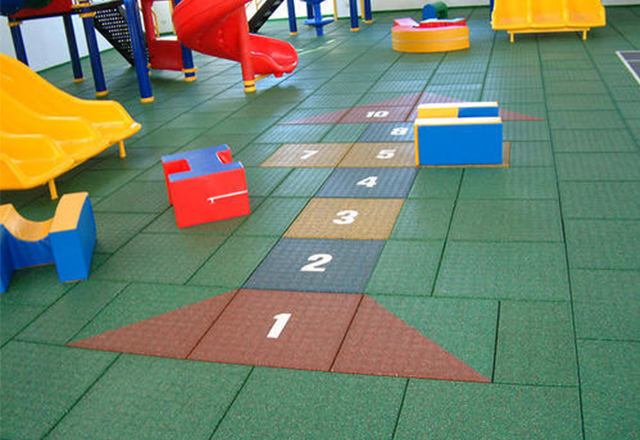
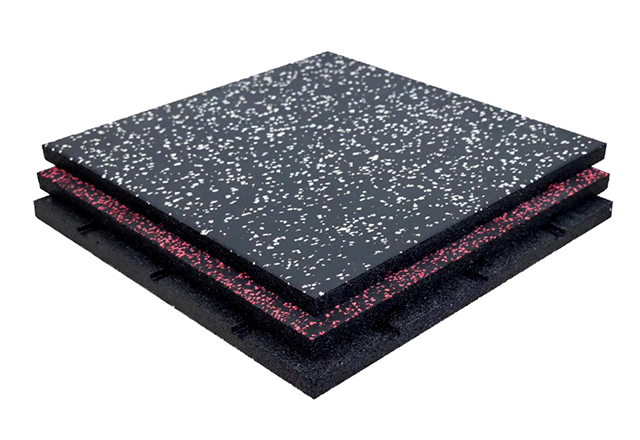
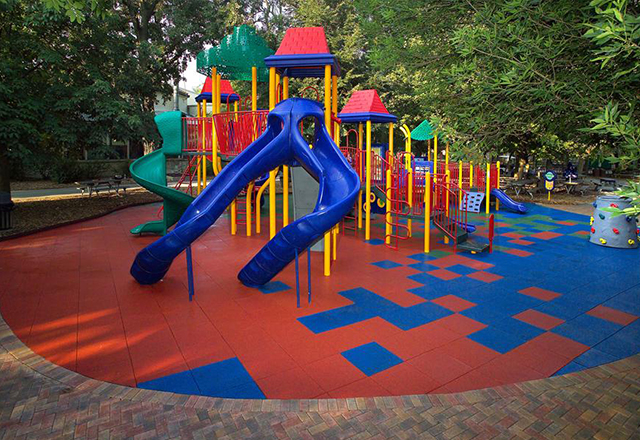
fitness studio flooring Application Delivers Unmatched Quality
In busy fitness studios, flooring must withstand heavy use, equipment load, sweat, and abrasion while protecting joints. A high‑performance rubber flooring solution delivers unmatched quality through durable resilience, excellent slip resistance, and long‑lasting comfort underfoot. For studio environments, tiles or seamless roll options offer consistent density and tighter joints to minimize trip hazards, while moisture resistance and easy maintenance are essential to keep spaces hygienic and inviting. From a global procurement perspective, partnering with a trusted rubber flooring provider ensures reliable supply, rigorous quality control, and compliance with international standards. Seek uniform thickness, validated slip resistance, low VOC emissions, and compatibility with underfloor heating. Tailor thickness, color, and texture to match branding and acoustics, while choosing durable resins that reduce lifecycle costs. With scalable production and robust logistics, projects around the world can achieve fast installation, consistent quality, and long‑term performance.
Fitness Studio Flooring Application Delivers Unmatched Quality
| Project Code | Facility Type | Flooring System | Coverage Area (sq ft) | Application Method | Dry Time (hours) | Cure Time (days) | Durability Rating (1-5) | Slip Resistance (PTV) | Noise Reduction (dB) | Warranty (years) | Client Satisfaction (%) |
|---|---|---|---|---|---|---|---|---|---|---|---|
| P-101 | Commercial Gym | Epoxy floor with rubber overlay | 1200 | Spray-applied | 8 | 24 | 4.5 | 39 | 22 | 7 | 92 |
| P-102 | Boutique Studio | Polyurethane sport floor | 850 | Roll-applied | 12 | 21 | 4.2 | 40 | 20 | 5 | 88 |
| P-103 | University Training Center | Poured-in-place seamless resin | 2100 | Pour-application | 14 | 28 | 4.8 | 42 | 25 | 10 | 95 |
| P-104 | Rehab Center | Rubber tile system | 600 | Pre-coated sheets | 10 | 20 | 4.1 | 38 | 21 | 6 | 90 |
| P-105 | CrossFit Box | Cushioned vinyl | 1500 | Trowel-smooth | 9 | 25 | 4.6 | 39 | 22 | 8 | 93 |
Related Products
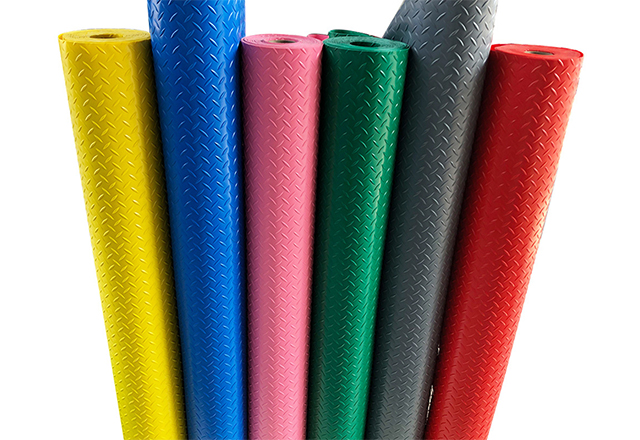
fitness studio flooring Industry Giant Custom Solutions,
Top Selling Products
- Related Blog
- Reviews
