
Gym Flooring Factory in China - Trusted Manufacturer
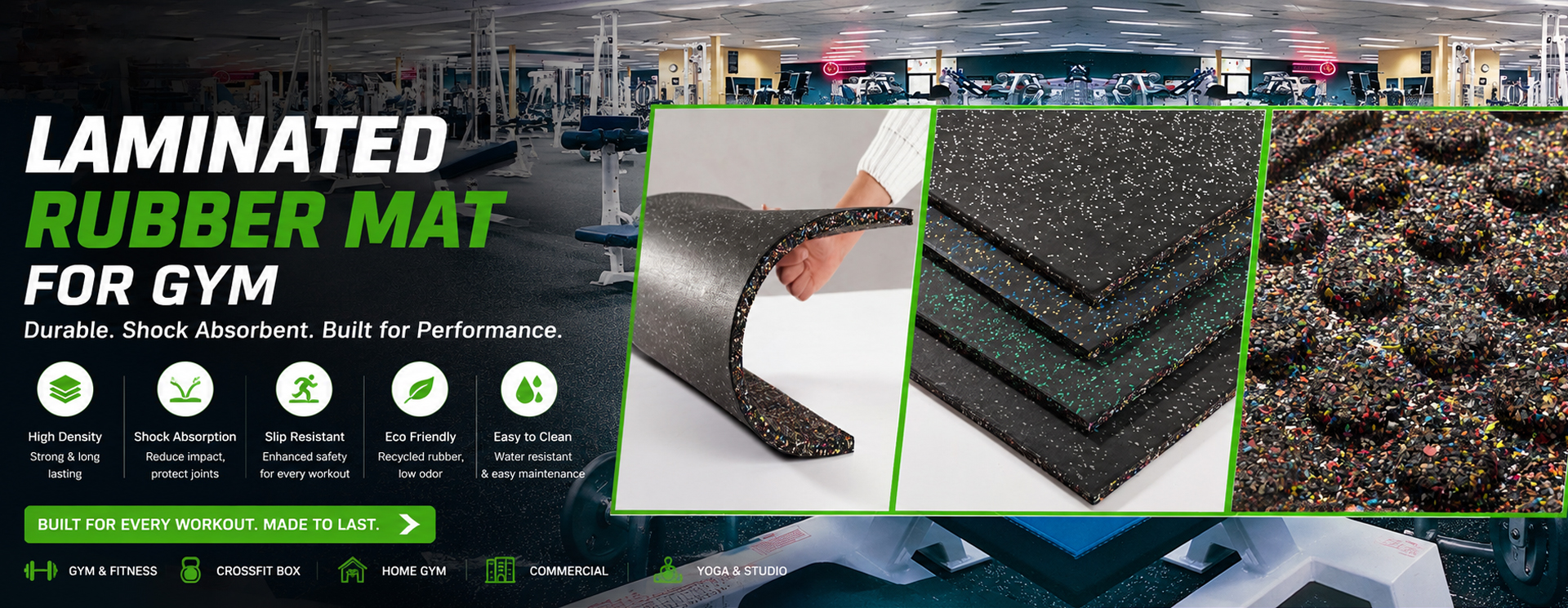
From our gym flooring factory, we deliver durable, safe flooring solutions for commercial gyms, studios, and training facilities. Based in China, we are a trusted Manufacturer offering custom rubber, vinyl, and EVA options engineered for high traffic and harsh impact. We focus on slip resistance, excellent shock absorption, and sound reduction to keep spaces safe and comfortable. I work with you to choose thickness, color, and edge profiles to fit your venue and budget, and we provide samples and scalable production with strict QA to ensure consistent color and wear. Our materials resist moisture, are easy to clean, and install with minimal downtime. For large orders, we offer OEM branding, packaging options, and fast lead times. Partner with us for reliable supply, competitive pricing, and lasting durability. If you’re seeking a China Manufacturer for gym flooring factory solutions, let’s discuss your project today.
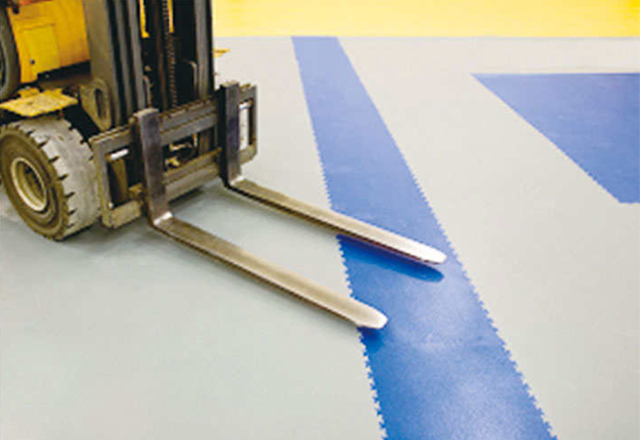
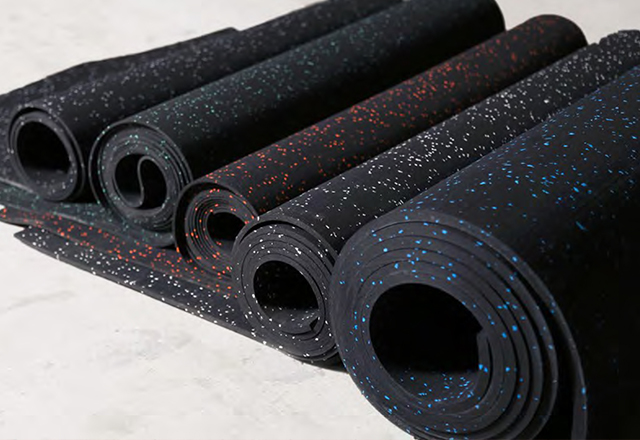
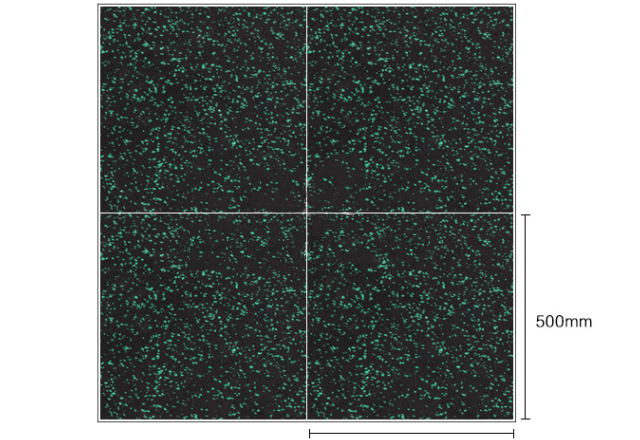
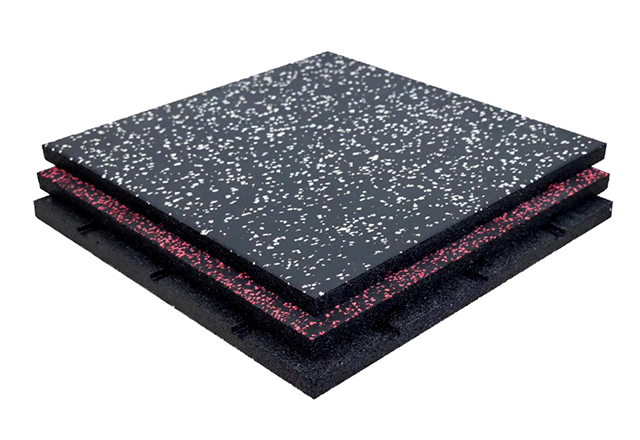
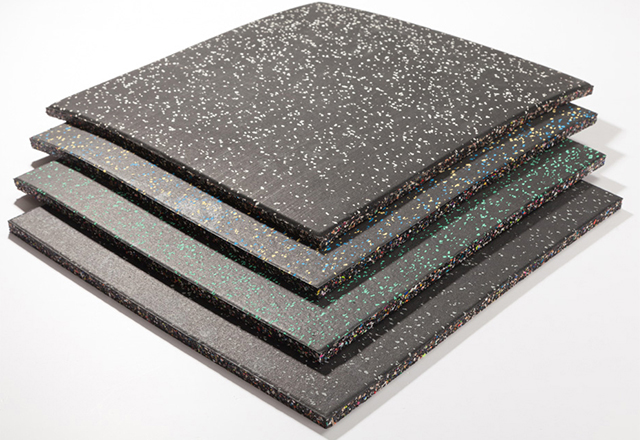
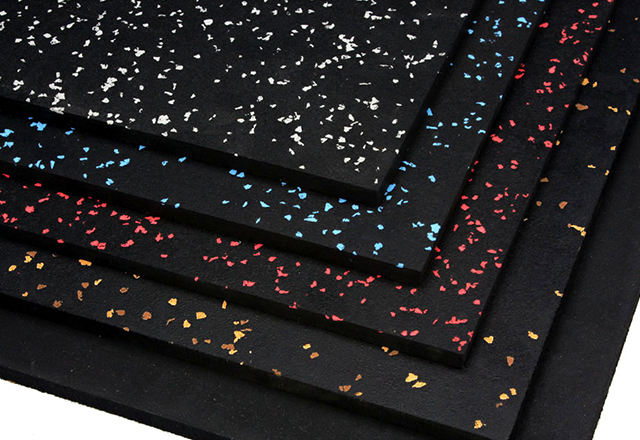
gym flooring factory Pioneers in the Field Global Reach
As a leading gym flooring factory pioneering innovations in materials and production, we combine decades of manufacturing expertise with continuous R&D to deliver durable, high-performance flooring solutions for studios, commercial gyms, schools, and multi-use arenas. Our product range includes rubber tiles, rolls, interlocking systems and custom-molded options engineered for shock absorption, noise reduction and slip resistance, all meeting international standards (ISO/ASTM/EN) and performance tests. Serving global buyers, we offer scalable production, flexible MOQs, OEM/ODM services and competitive pricing backed by strict quality control, supply-chain transparency and reliable logistics. From sample delivery and technical consultation to on-site installation support and warranties, our goal is to be your long-term flooring partner—trusted for timely lead times, sustainable materials and turnkey project solutions across continents.
| Region | Primary Material | Typical Thickness (mm) | Annual Production Capacity (sqm) | ISO / Quality | Avg Lead Time (weeks) | Recycled Content (%) | Major Export Destinations | Notable Applications |
|---|---|---|---|---|---|---|---|---|
| Central Europe | Vulcanized and bonded rubber (SBR & EPDM) | 6–25 | 300,000 | ISO 9001; ISO 14001 | 6–10 | 40–65 |
EU
Middle East
North Africa
|
Commercial gyms, stadium surrounds, school gyms
|
| North America | Recycled rubber tiles & urethane-bonded rubber | 8–30 | 250,000 | ISO 9001; ISO 45001 | 4–12 | 50–75 |
USA
Canada
Caribbean
|
CrossFit boxes, collegiate weight rooms, rehab centers
|
| East Asia | Thermoplastic elastomers (TPE) & bonded rubber | 5–20 | 420,000 | ISO 9001; ISO 14001 | 3–9 | 30–55 |
Asia Pacific
Europe
|
Fitness chains, apartment complex gyms, martial arts studios
|
| South Asia | Vinyl composite flooring (heterogeneous PVC) & rubber | 6–12 | 200,000 | ISO 9001 | 6–14 | 10–40 |
Asia
Middle East
|
School sports halls, community centers, yoga studios
|
| Southeast Asia | EPDM granules & poured-in-place rubber | 10–40 | 180,000 | ISO 9001; OHSAS 18001/ISO 45001 | 5–11 | 20–60 |
ASEAN
Oceania
|
Outdoor fitness parks, playground surfacing, stadium warm-up areas
|
| South America | Recycled rubber tiles & bonded EPDM | 8–25 | 120,000 | ISO 9001 | 8–16 | 35–70 |
Latin America
Caribbean
|
Municipal sports centers, fitness franchises, training academies
|
| Middle East | Vinyl sports flooring & shock-absorbing rubber | 6–20 | 95,000 | ISO 9001; ISO 14001 | 6–12 | 15–45 |
GCC
North Africa
|
Indoor courts, hotel fitness centers, military training facilities
|
| Africa | Locally-sourced rubber blends & modular tiles | 8–25 | 60,000 | ISO 9001 (selected lines) | 10–18 | 25–60 |
Sub-Saharan
Indian Ocean islands
|
Community gyms, school playgrounds, NGO sports projects
|
| Oceania | Polyurethane (PU) & vinyl sports systems | 6–18 | 85,000 | ISO 9001; environmental management programs | 5–10 | 10–50 |
Australia
New Zealand
|
School athletics tracks, multipurpose halls, rehabilitation clinics
|
Related Products
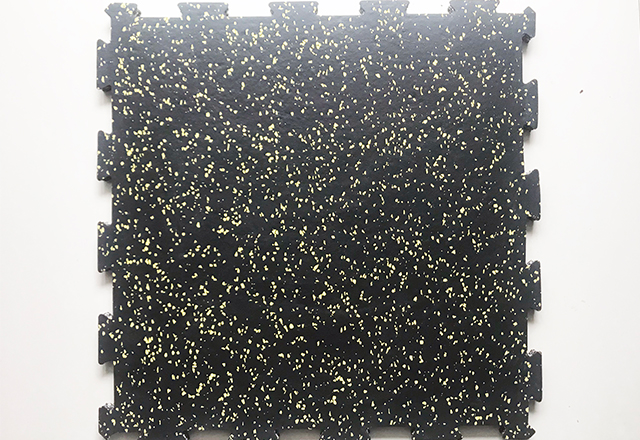
gym flooring factory Factory Industry Giant
Top Selling Products
- Related Blog
- Reviews
