
Heavy Duty Warehouse Flooring - China Manufacturer
I'm here to offer a reliable solution for heavy duty warehouse flooring. I'm a China-based Manufacturer, focused on durable, seamless floors that withstand forklift traffic, chemical spills, and heavy loads. Our heavy duty warehouse flooring combines high compressive strength, impact resistance, and excellent abrasion wear with easy maintenance. I tailor thicknesses from 6 to 12 mm and provide slip-resistant textures for safety and sanitation in food, pharma, and logistics facilities. The system installs quickly on prepared concrete, with minimal downtime and strong adhesion from our primer and epoxy or polyurethane coatings. I back every project with strict QA, traceable materials, and pre-shipment testing. My team offers CAD layouts, color options, and reliable after-sales support. If you're sourcing in China and seeking a cost-effective, high-performing solution, let me help you deliver safer, longer-lasting warehouses that boost productivity.
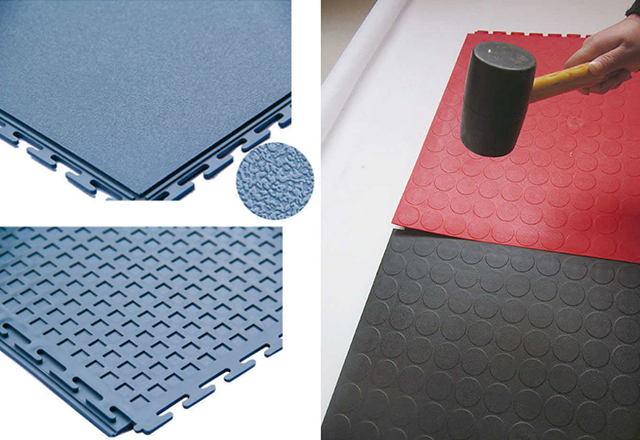
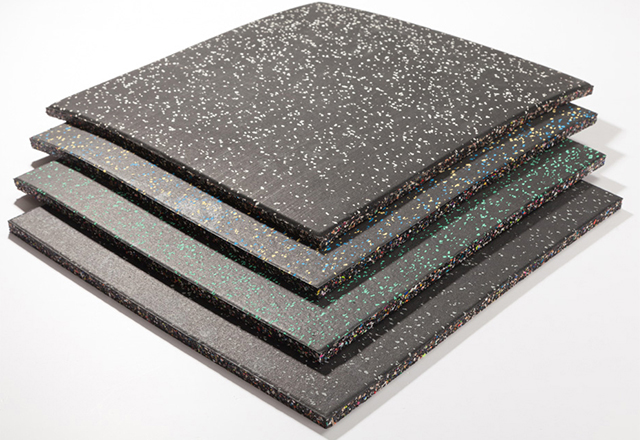
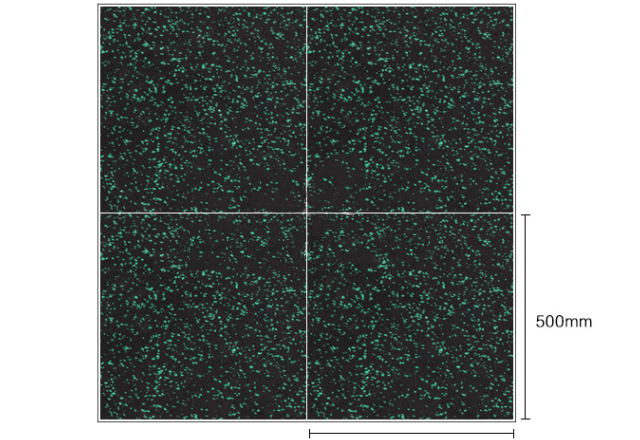
heavy duty warehouse flooring Factory Sets the Industry Standard
Heavy-duty warehouse flooring must endure forklift traffic, chemical exposures, and rigorous cleaning while protecting personnel. Leading systems achieve this by combining high-density resins with seamless, wear-resistant surfaces for long service life. They deliver abrasion resistance, impact tolerance, and chemical durability, plus integral slip resistance and easy sanitation. Fast-curing formulations and modular installation minimize downtime during upgrades or new builds. For global buyers, the result is consistent performance across sites, reducing risk and simplifying maintenance. Choosing a flooring solution is about total lifecycle cost, not upfront price. Premium systems offer lower maintenance, fewer repairs, and less downtime, delivering savings over the years. They are customizable in thickness, surface texture, and anti-slip ratings to fit operations and climate, including cold storage. A global program provides standardized testing, regional certifications, and a responsive installation and support network, ensuring uniform quality, fast turnarounds, and reliable post-installation service for procurement teams worldwide.
| Property | Unit | Typical Range | Test Method / Standard | Notes |
|---|---|---|---|---|
| System Type | N/A | Epoxy/polyaspartic hybrid flooring system | N/A | Hybrid system blends epoxy resin with polyaspartic topcoat for durability and faster return-to-service. |
| Substrate Compatibility | N/A | Concrete (properly primed); some terrazzo with preparation | N/A | Requires moisture mitigation if substrate moisture is high. |
| Thickness | mm | 2.5 - 3.0 | Manufacturer specification | Total system thickness including broadcast topcoat. |
| Cure Time to Walk-on | hours | 8 - 12 | Manufacturer data / ISO 8641 (time to tack-dry) | Ambient 20-25°C, 50% RH; walk-on permitted when tack-free. |
| Full Cure Time | days | 3 - 7 | Manufacturer data | Depends on temperature and humidity. |
| Substrate Moisture Tolerance | % RH | ≤ 4% | Industry guidelines | Higher moisture requires mitigation prior to coating. |
| Compressive Strength | MPa | 60 - 75 | ASTM C39 | Represents substrate strength after cure; coating relies on proper substrate prep. |
| Flexural Strength | MPa | 40 - 60 | ASTM D790 | Indicates resistance to bending under load. |
| Abrasion Resistance | mg | 18 - 40 | Taber Abrasion (CS-10 wheels, 1000 cycles) | Lower mg indicates higher wear resistance. |
| Dry Slip Resistance | COF | 0.65 - 0.85 | ASTM E303 / DIN 51130 | Target above 0.65 for warehouse safety. |
| Wet Slip Resistance | COF | 0.50 - 0.70 | ASTM E303 | Consider drainage and cleaning protocols. |
| Acid Resistance | % weight change | 0.2 - 2.0 | Lab exposure to acids per standard protocol | Depends on acid concentration and exposure duration. |
| Alkali Resistance | % weight change | 0.1 - 1.5 | Lab exposure to alkalis | Resistant to typical warehouse cleaners; higher alkalis may affect some formulations. |
| Impact Resistance | J | 3 - 5 | Gardner impact test (or equivalent) | Suitable for dropped tools and pallets within typical warehouse usage. |
| Thermal Shock Resistance | cycles | 20 - 30 cycles (-20°C to 60°C) | Thermal shock test per standard | Stability under temperature fluctuations common in loading areas. |
| Maintenance Frequency | per year | Annual cleaning; re-coating every 5 - 7 years | Facility guidelines | Use neutral pH cleaners; avoid harsh solvents. |
| Installation Method | N/A | Self-leveling epoxy with broadcast topcoat | N/A | Requires skilled applicators; surface prep is critical. |
| Warranty | years | 5 - 10 | Manufacturer policy | Subject to proper installation and maintenance. |
Related Products
heavy duty warehouse flooring Leads the Global Market Custom Solutions,
Top Selling Products
- Related Blog
- Reviews
