
Horse Stable Pavers - High-Quality Supplier
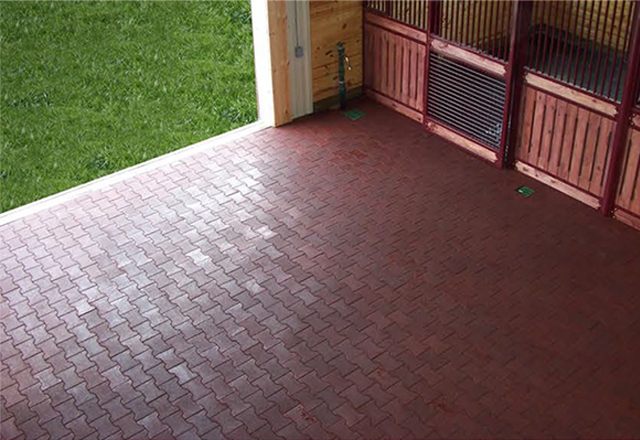
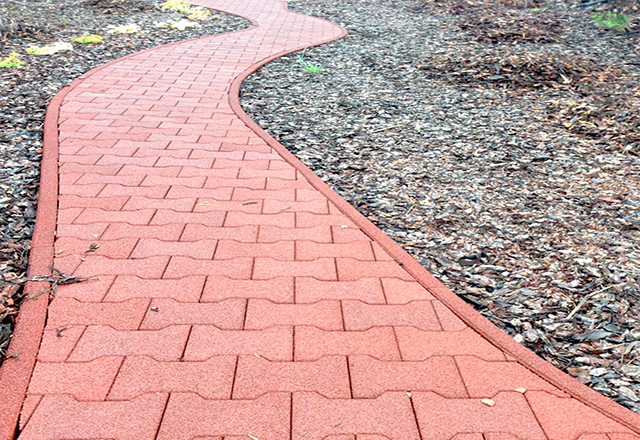
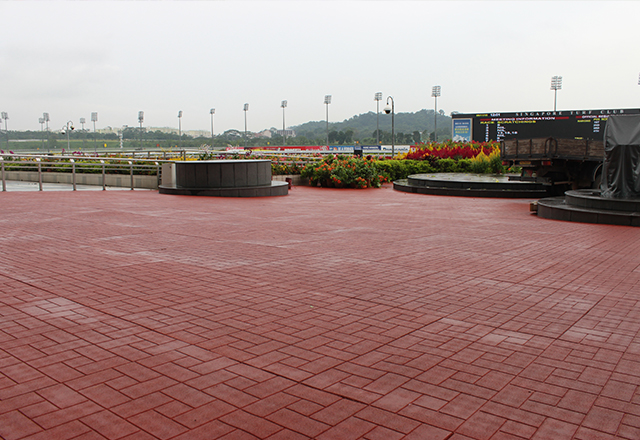
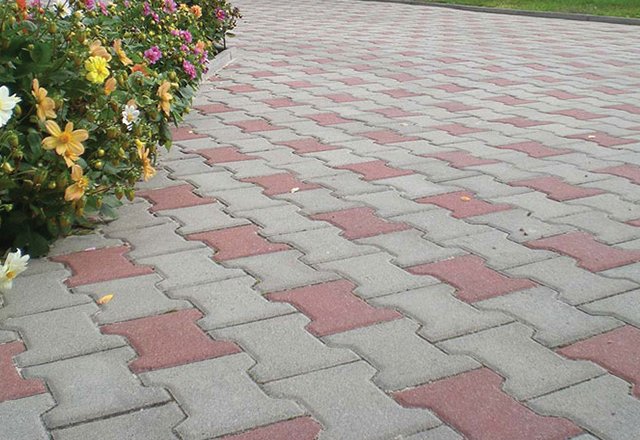
We are a reliable High-Quality Supplier of horse stable pavers, delivering durable, slip-resistant surfaces for barns, stalls, and outdoor arenas. Our pavers are built to withstand heavy horses and harsh weather while keeping footing secure in damp conditions. They install quickly with modular, interlocking designs that adapt to any layout and reduce maintenance costs. Choose from sizes, colors, and load ratings to suit your project, and benefit from engineered channels for drainage and easy cleaning. We offer bulk pricing, fast lead times, and scalable stock for contractors, farm managers, and equestrian facilities. With a solid warranty and strong technical support, you’ll have a dependable partner through project planning and installation. We’re confident our horse stable pavers will help you meet safety standards and extend facility life. Reach out for samples, CAD drawings, or a tailored quotation today.
horse stable pavers Service Sets the Industry Standard
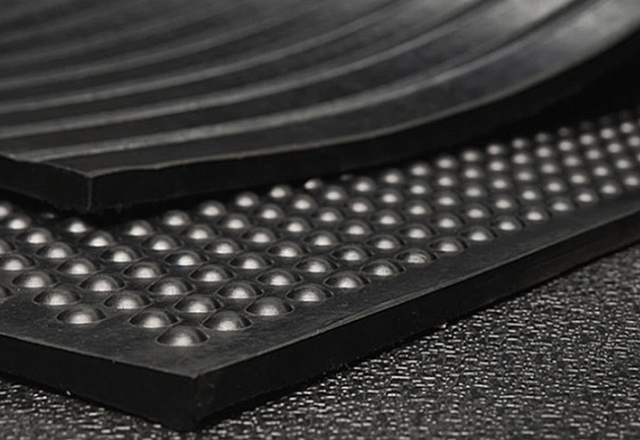
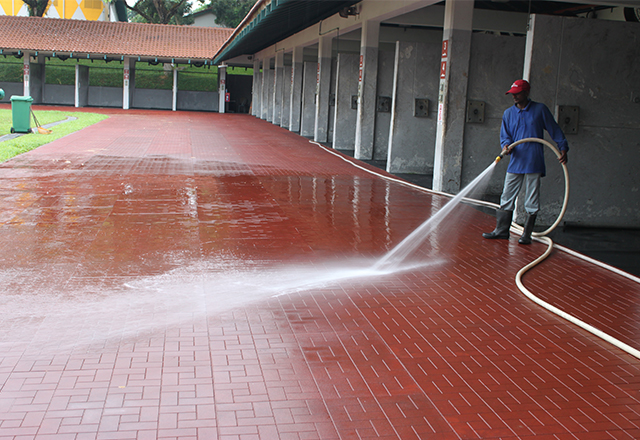
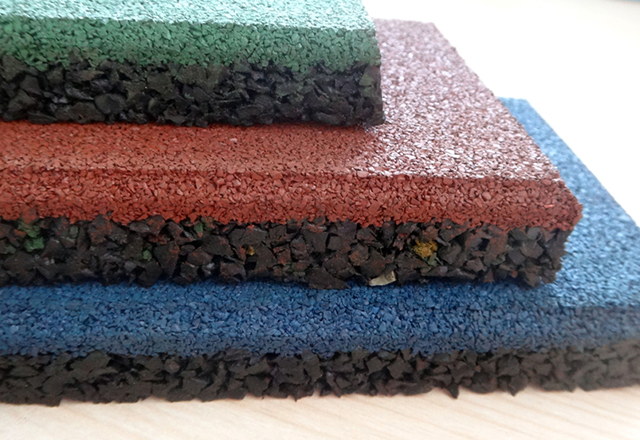
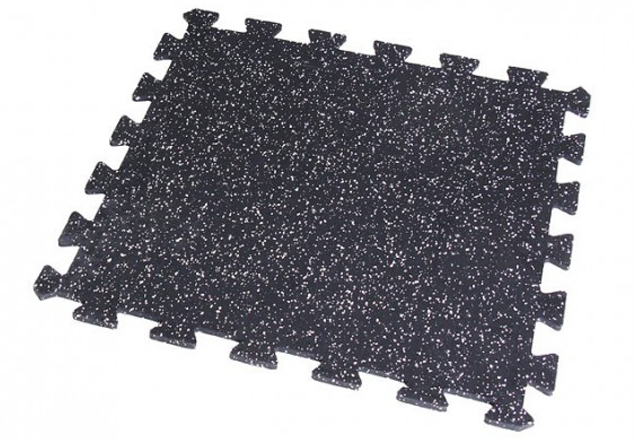
In today’s global equestrian facilities market, the horse stable pavers service sets the industry standard for safety, durability, and low maintenance. Engineered rubber pavers provide excellent slip resistance, impact absorption, and reliable drainage, protecting hooves and joints while keeping stalls clean. The modular, interlocking design enables quick installation with minimal gaps that can trap waste or moisture. For international buyers, long-term value matters as much as initial price. This service delivers consistent thickness and finish across batches, rapid deployment across multiple sites, and compatibility with various stall layouts. Superior resistance to oils, urine, and cleaning agents extends service life, while recyclable materials support sustainability goals and lower lifecycle costs. Choose a supplier with rigorous testing, verified performance data, and reliable global logistics to ensure on-time delivery and uniform quality worldwide. With responsive after-sales support and clear warranty terms, you can scale safe, hygienic stalls across continents with confidence.
| Category | Specification | Typical Value | Notes / Practical Context |
|---|---|---|---|
| Paver Material Type | Interlocking Concrete Pavers | Concrete | Durable, widely used in equestrian facilities; textured surfaces improve grip |
| Paver Size Options | 4x8, 6x6, 6x9 inches | 4x8, 6x6, 6x9 | Size affects joint width and surface stability under horse traffic |
| Paver Thickness | 60-80 mm (2.4-3.1 in) | 60-80 mm | Provides adequate support for pedestrian and horse movement |
| Base Layer Depth | Crushed aggregate base | 150-200 mm (6-8 in) | Ensures load distribution and drainage |
| Sub-base Material | Compacted gravel/crushed stone | 150-200 mm | Stability under dynamic loads and climate changes |
| Surface Slope | 1-2% toward drainage | 1-2% | Prevents ponding and assists with runoff |
| Installation Method | Sand-set with joint sand | Sand-set | Allows slight movement and effective drainage |
| Slip Resistance | Surface texture (COF) | 0.50-0.75 | Safe traction for wet and dry conditions |
| Durability & Warranty | Expected lifespan and warranty | 20-40 years; 10-25 year warranty | Long-term performance with proper maintenance |
Related Products
horse stable pavers Supplier in 2025
Top Selling Products
- Related Blog
- Reviews
