banner 1

Interlocking floor tiles for garage - China Manufacturer

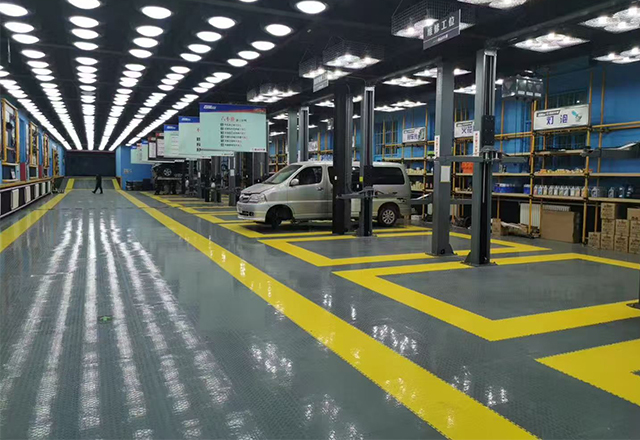
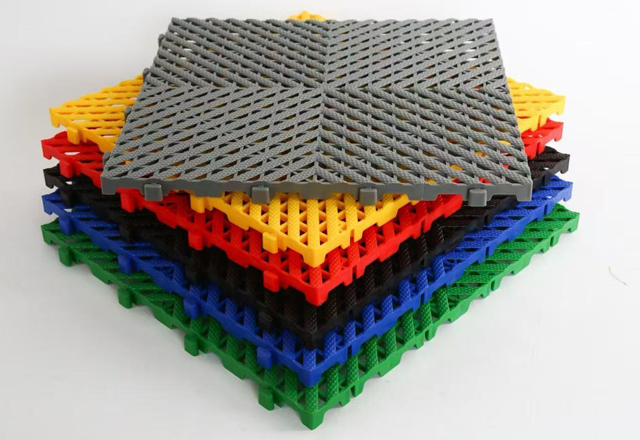
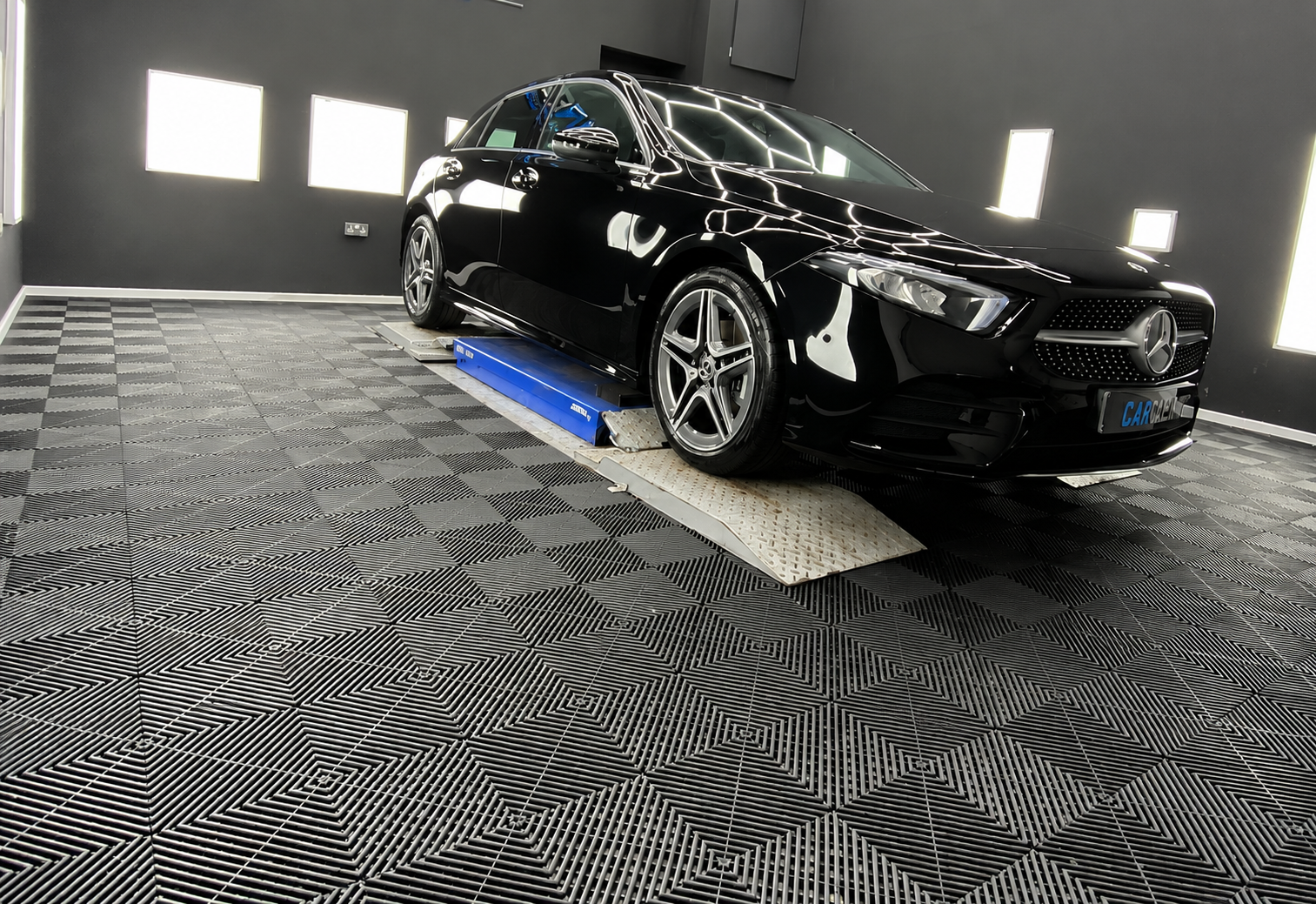
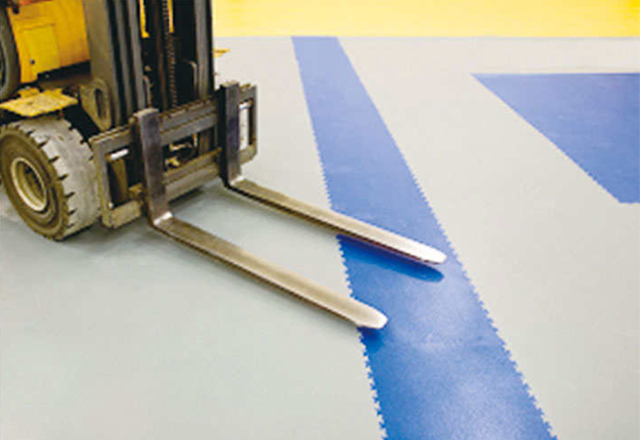
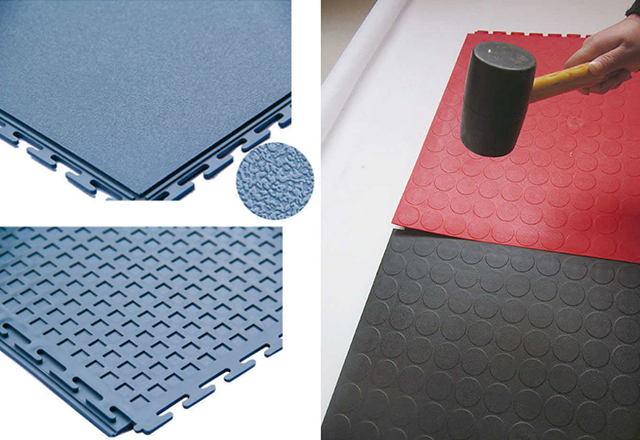
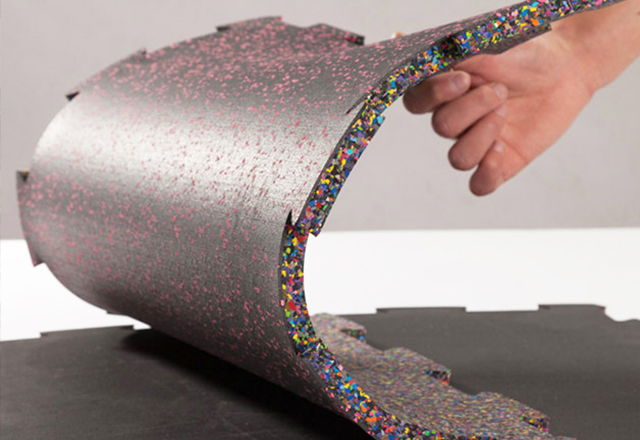
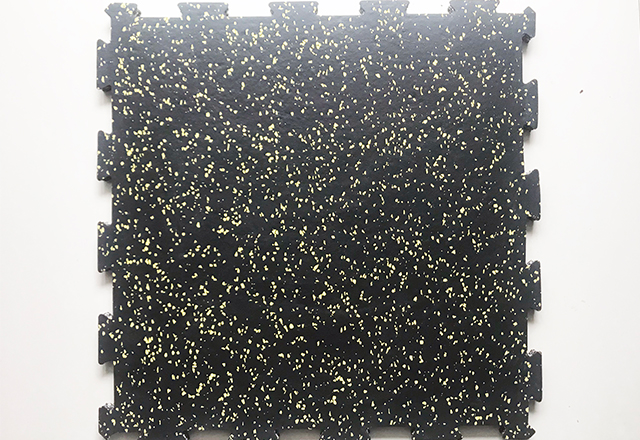
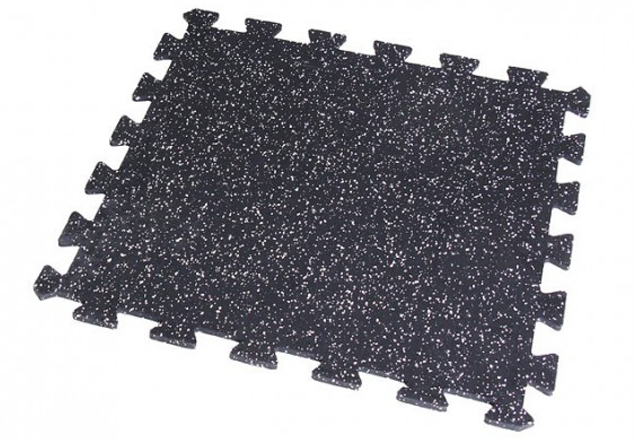
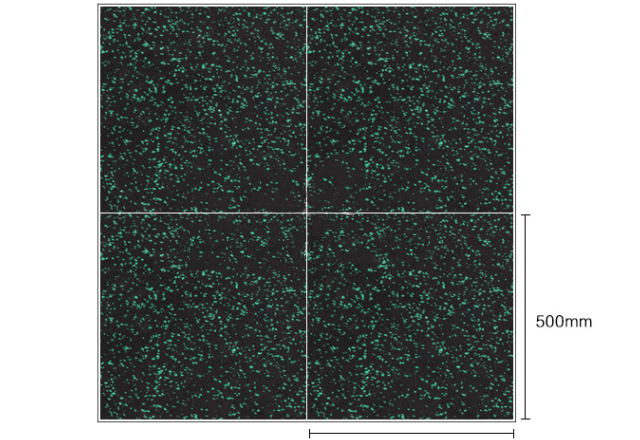
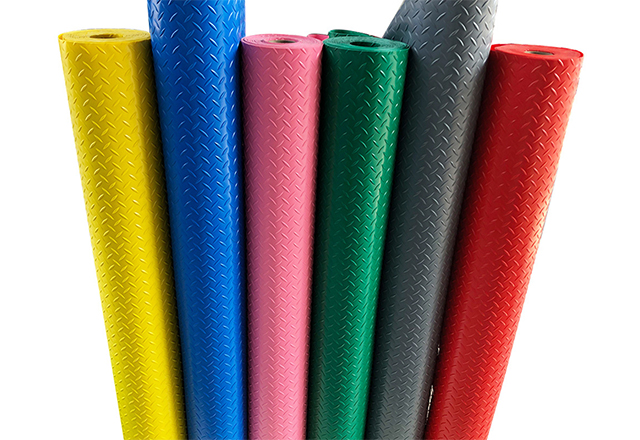
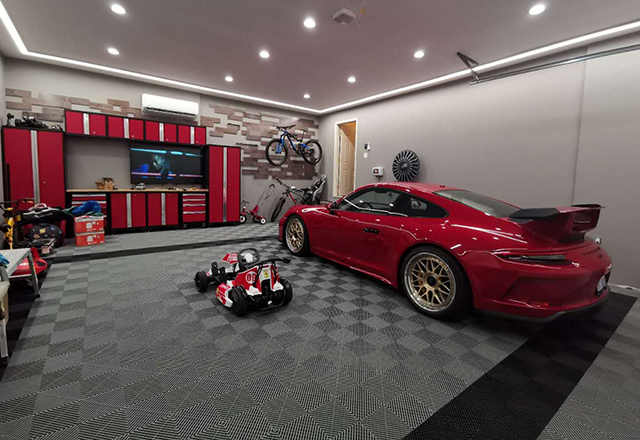
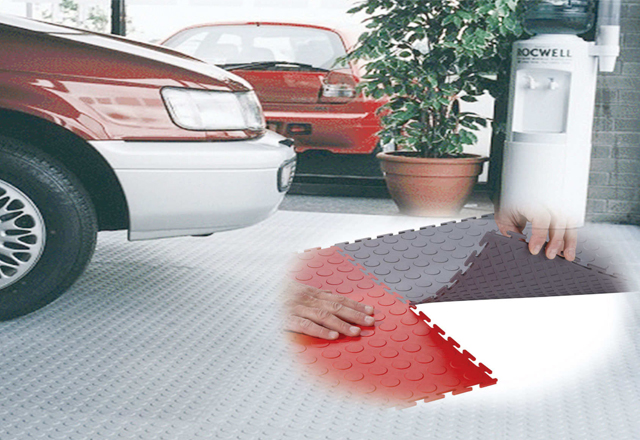
As a China-based manufacturer, I supply high-quality interlocking floor tiles for garage that transform any workshop or showroom floor. My tiles snap together quickly, require no glue, and resist heavy tools, oils, and chemical spills. For B2B buyers, I offer bulk pricing, customization options (colors, embossed textures, and tile sizes), and reliable lead times. The product is durable, UV-stable, anti-slip, with a strong load-bearing capacity. They are easy to cut to fit corners and adjustable for drainage. They can be installed over concrete or existing floors, or used as portable containment in warehouses. I maintain ISO compliance and can provide certificates. We ship from our factory in China with responsive pre-sales and after-sales service. If you need a sustainable, cost-effective flooring solution, I’m ready to support your project and supply chain with the best possible price and quality.
Hot Selling Product

Interlocking floor tiles for garage Trusted by Pros Outperforms the Competition

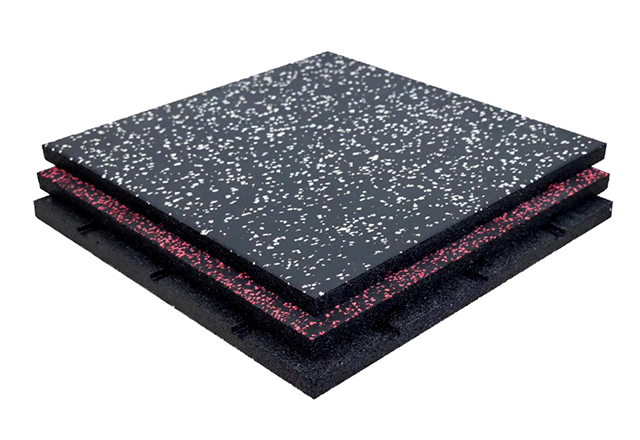
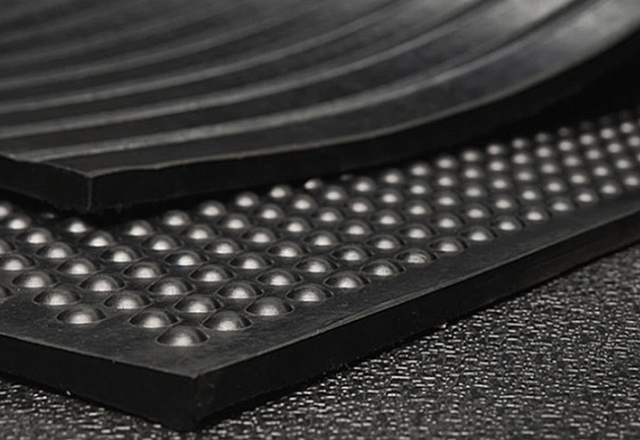
Professionally engineered interlocking garage floor tiles combine heavy-duty durability with modular convenience, making them the preferred choice for workshops, dealerships and commercial garages worldwide. Made from a high-performance rubber compound, these tiles resist oil, chemicals and temperature extremes while delivering outstanding load-bearing capacity, impact absorption, slip resistance and noise reduction. The precision interlock creates a secure, seam-free surface that outlasts and outperforms standard flooring options. Designed for global procurement, these tiles allow fast, adhesive-free installation and simple replacement of worn sections, with customizable thicknesses, textures and colors to meet safety or branding needs. Manufactured under strict quality controls and offered with OEM flexibility, competitive pricing and reasonable minimums, they lower lifecycle cost and simplify logistics for projects of any scale—professional-grade performance without compromise.

{ Interlocking floor tiles for garage Trusted by Pros Outperforms the Competition}
Tile Type (Material) Thickness (mm) Tile Size (cm) Installation Method Max Wheel Load (kg/wheel) UV Stability Chemical Resistance Water Drainage Slip CoF (dry / wet) Thermal Expansion (% / °C) Recommended Use Maintenance Frequency Warranty (years)
Polypropylene Modular 8 30 × 30 Snap-fit interlock (no adhesive) 1,000 Excellent (stabilized) Excellent (oil, gasoline resistant) High (perforated channels) 0.65 / 0.45 0.04 Garage, light vehicle, workshop Quarterly (clean & inspect) 10
PVC Interlocking (vinyl) 6 30 × 30 Snap-fit or adhesive edges 600 Good (fade-resistant) Good (detergents, mild oils) Moderate (surface channels) 0.70 / 0.50 0.06 Home garage, storage Semi-annually 7
Rubber Interlock (EPDM) 10 33 × 33 Interlocking no adhesive 800 Very Good (EPDM UV resistance) Fair (resists water, weak acids) Low–Moderate (solid surface) 0.80 / 0.60 0.03 Heavy foot traffic, light vehicles, anti-fatigue Monthly (sweep & occasional deep clean) 8
Composite (HDPE core + wear layer) 15 40 × 40 Mechanical interlock with trim 2,000 Excellent Excellent (engine oils, solvents) High (engineered channels) 0.60 / 0.50 0.02 Heavy-duty garage, commercial workshops Quarterly 12
Perforated Drainage Tile (open-grid) 12 30 × 30 Click-in grid 1,200 Good Good Very High (open grid) 0.50 / 0.35 0.05 Outdoor driveways, wash bays Quarterly (clear debris) 6
Note: Values shown are typical performance characteristics for common interlocking garage tile constructions and are for comparative reference only.

Related Products

banner 2

Interlocking floor tiles for garage Where Innovation Meets 2025 Your End-to-End Solution

Adoption & Performance Trends for Interlocking Garage Floor Tiles (2020–2025)

Over the 2020–2025 period the plotted metrics show a clear and consistent pattern of market maturation for interlocking garage floor tiles. Adoption rate grows from a modest 12% in 2020 to 68% by 2025, reflecting accelerating consumer and professional uptake driven by improving product designs and broader awareness. Customer satisfaction rises in parallel from 68 to 90 (index out of 100), indicating that increased adoption is accompanied by enhanced perceived value, likely due to better fit-and-finish, expanded color/textures, and improved installation guidance. Average installation time declines from 4.5 hours to 1.8 hours, marking substantial efficiency gains that reduce labor costs and increase appeal for do-it-yourself buyers. Taken together, these three dimensions reveal a reinforcing cycle: faster installations lower effective cost and complexity, which boosts adoption; higher adoption encourages manufacturers and installers to invest in quality improvements, which further enhances satisfaction and drives more adoption. The chart highlights an inflection around 2022–2023 where adoption and satisfaction accelerate while installation time drops more rapidly, suggesting a tipping point when standardized fastening systems and instructional content became widely available. For decision-makers, these trends imply that investments in streamlined installation tools, clear documentation, and product variants optimized for common garage sizes will capture incremental market share. For installers, training on best-practice edge locking and substrate preparation will shorten job times and increase throughput. For retailers, bundling installation kits and offering time-limited installation support can convert hesitant buyers. Monitoring these three KPIs over the next years will help stakeholders detect new inflection points and validate whether continued innovation sustains the positive feedback loop observed through 2025.

Top Selling Products