banner 1

Interlocking Rubber Gym Tiles - Wholesale & Manufacturers

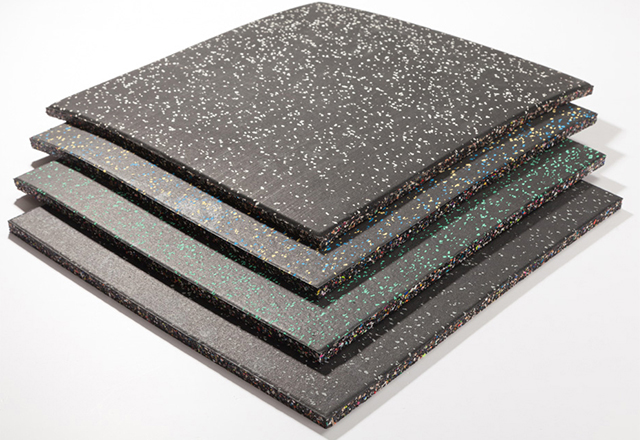
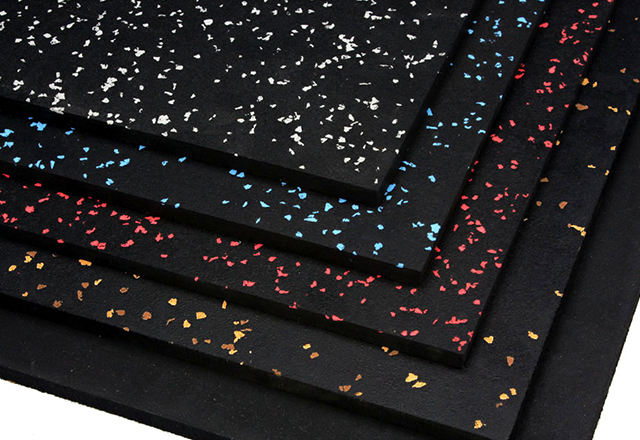
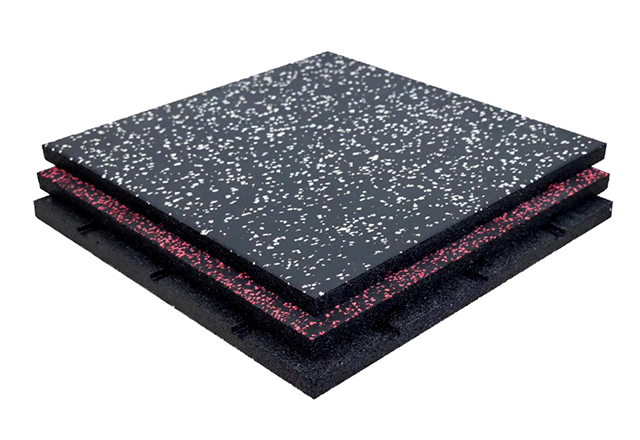
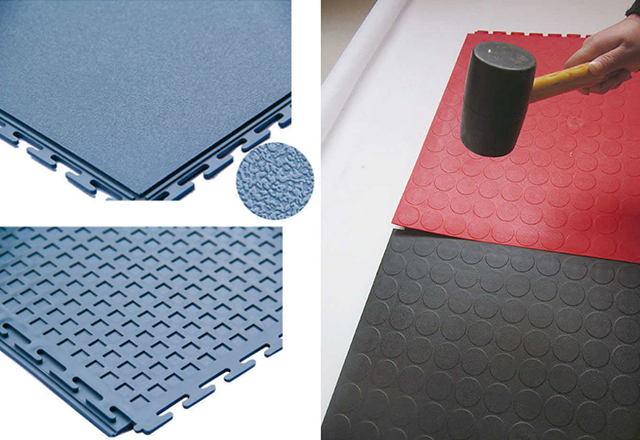
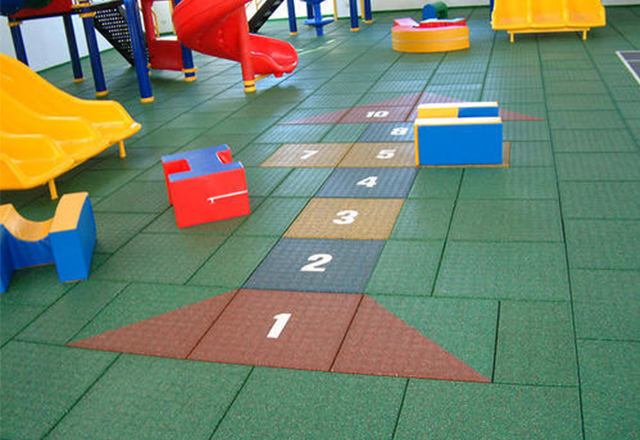
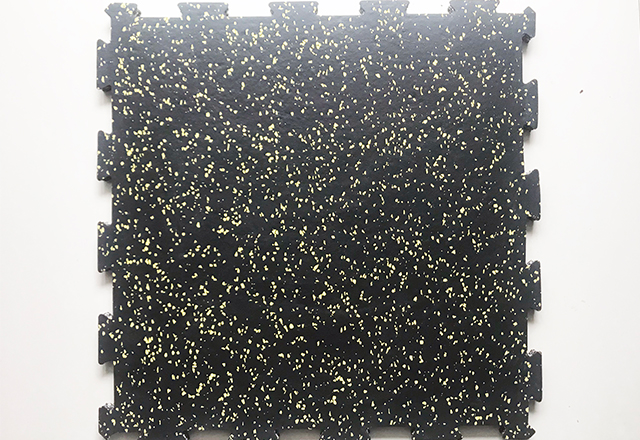
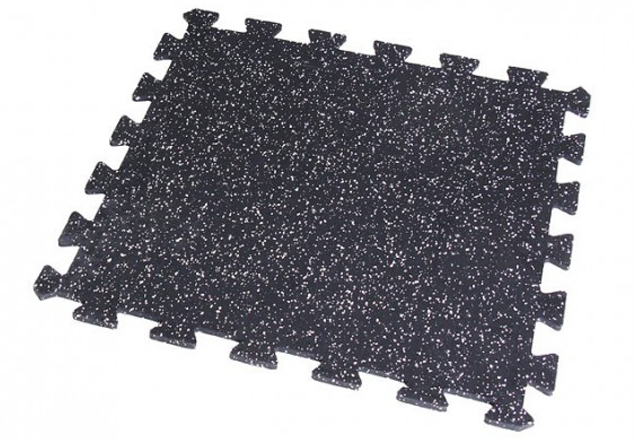
I supply interlocking rubber gym tiles that stand up to heavy use in commercial gyms, studios, and fitness centers. As a direct manufacturer, I can offer Wholesale pricing and fast lead times for bulk orders. My tiles click together for a tight, seamless surface, so installation is quick even for large spaces. They resist moisture and sweat, resist UV fading, and provide excellent shock absorption and noise reduction for comfortable training and safer falls. I offer a range of thicknesses and colors to match your brand, with beveled edges for wheelchair access and easy edge finishing. The modular design means you can reconfigure layouts without removing tiles. I stand behind durability—my tiles tolerate dropped weights, high foot traffic, and cleaning with standard floor cleaners. For retailers, gym operators, or facility managers sourcing from manufacturers, I can tailor sizes and packaging to fit your project. Contact me for samples, wholesale quotes, and custom options.
Hot Selling Product

interlocking rubber gym tiles in 2025 Guarantees Peak Performance

Global buyers seeking gym flooring in 2025 should evaluate interlocking rubber tiles for peak performance. The best options deliver consistent shock absorption, reliable slip resistance, and quiet operation across diverse workout zones. The modular interlock reduces installation time, eliminates gaps, and adapts easily to changing space layouts and equipment footprints. Low VOCs and certified indoor air quality protect occupant health while tough wear resistance minimizes downtime from heavy use and rigorous cleaning. To meet worldwide procurement needs, suppliers offer customization—thickness, density, color, and surface texture—plus compatibility with underlayments and drainage. Durable tiles with anti-microbial finishes, moisture resistance, and easy maintenance help gyms stay hygienic with less effort. Sustainability matters too: recycled content and end-of-life recycling support ESG goals. In 2025, trusted manufacturers back products with performance guarantees covering wear, slip, and color stability, enabling buyers to forecast total cost of ownership and secure steady supply and support across regions.

interlocking rubber gym tiles in 2025 Guarantees Peak Performance
Tile Type Thickness (mm) Core Material Surface Texture Slip Resistance (PTV) Compressive Strength (MPa) Fire Rating Impact Absorption (J) Lifetime (years) Installation Time per tile (min)
StandardFlex 10 EVA Blend Smooth 64 0.8 Class B 150 5 2
ProGrip 12 SBR/EVA Blend Studded 72 1.2 Class A 210 8 3
UltraRebound 15 SBR Diamond 68 1.5 Class A 260 12 4
WetSafe 12 NBR Wet-Drain textured 61 0.9 Class B 180 9 3
EcoGuard 8 Recycled Rubber Ribbed 58 0.6 Class B 140 6 2
QuietStep 10 EVA+Synthetic Smooth 70 0.9 Class B 160 7 2.5
HeavyDuty 20 Recycled Rubber Studded 75 2.0 Class A 320 15 5

Related Products

banner 2

interlocking rubber gym tiles Manufacturer Factory-Direct Excellence

Data Dimension: Durability and Traction by Tile Type

Explanation: The chart presents a comparative assessment of durability across five tile types used in interlocking rubber gym flooring. The Durability Index (0-100) is a synthesized metric combining wear resistance, indentation recovery, and long-term surface integrity under typical gym usage. While not a substitute for full lab testing, this visualization provides a quick, actionable view for facility managers and product designers. The five categories—Plain, Ribbed, Chevron, Studded, and Textured—represent common surface geometries that affect load distribution and grip. Chevron tiles show the highest durability score in this sample (92), suggesting a geometry that distributes compressive forces across a broader contact area and reduces stress concentration. Ribbed (85) and Textured (88) also deliver strong performance, reflecting the benefits of additional surface contact that helps resist wear and maintain traction. Plain tiles trail behind in this dataset (78), indicating moderate wear resistance, while Studded tiles score lowest (70) in durability, possibly due to concentrated contact stress around studs despite favorable traction in dry conditions.

Interpreting the chart for decision-making involves balancing safety, maintenance cost, and expected use. In high-traffic zones with heavy free-weight or plyometric activities, prioritizing high durability is essential to minimize replacement frequency and downtime. For cardio or group fitness spaces, traction performance complements wear resistance; however, excessive texture can complicate cleaning and cause quicker wear in some cases. This data can be expanded with variables such as moisture exposure, cleaning frequency, chemical resistance, or a user-satisfaction score to create a richer decision model. By tracking performance across tile types and environments, facilities can optimize floor selection for safety, longevity, and cost efficiency while ensuring consistent user experience. The visualization demonstrates how geometry and material choices translate into measurable outcomes, enabling evidence-based procurement and maintenance planning. Manufacturer and design teams can leverage these insights to refine interlocking mechanisms, stud distribution, and surface textures to achieve better overall performance in real-world gym settings.

Top Selling Products