
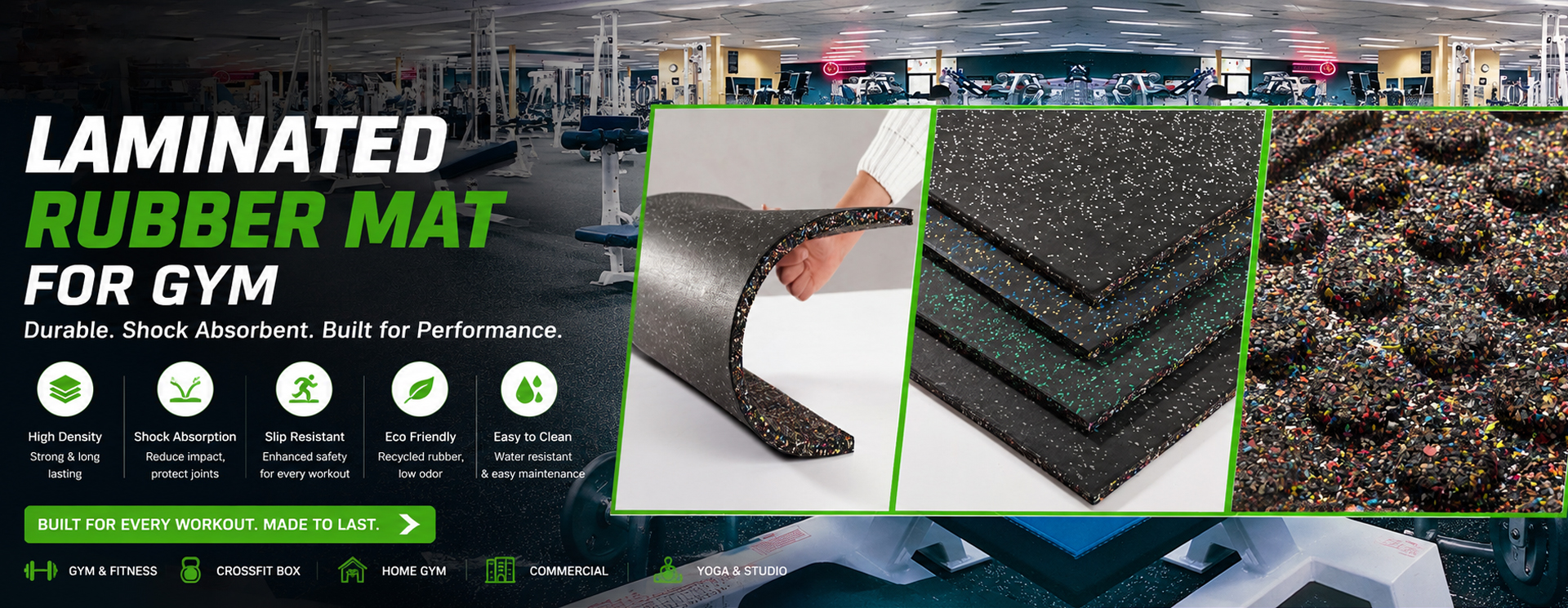
Interlocking Rubber Pavers Wholesale & Manufacturers
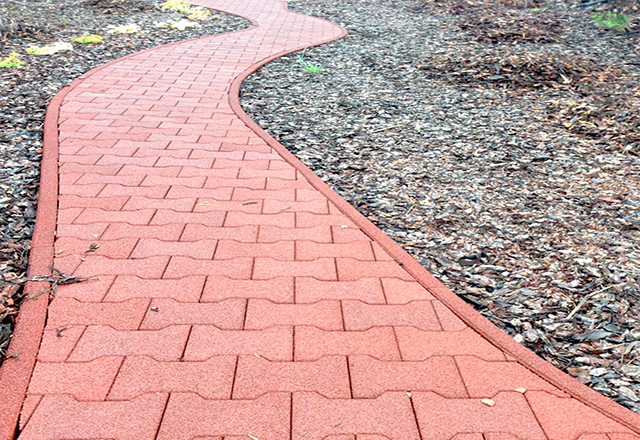
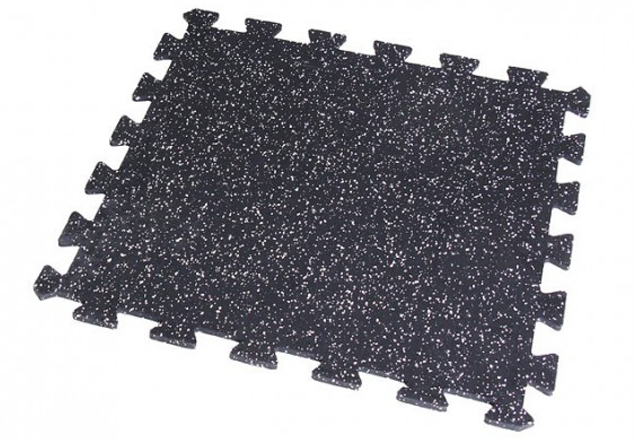
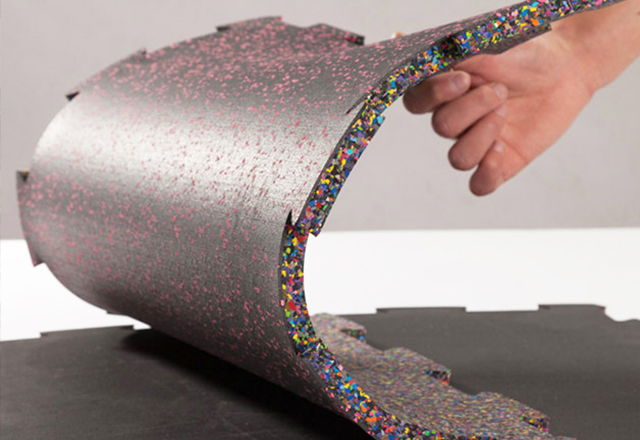
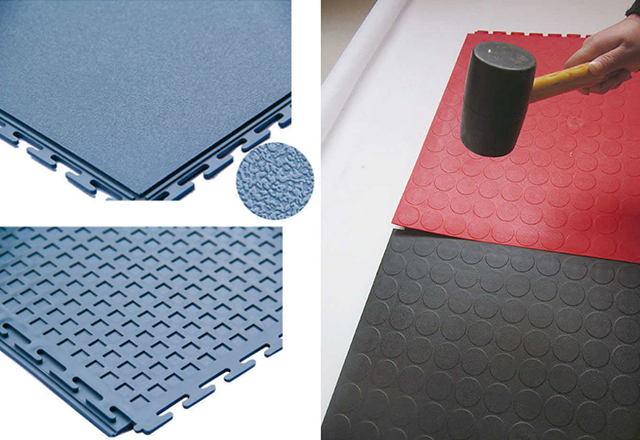
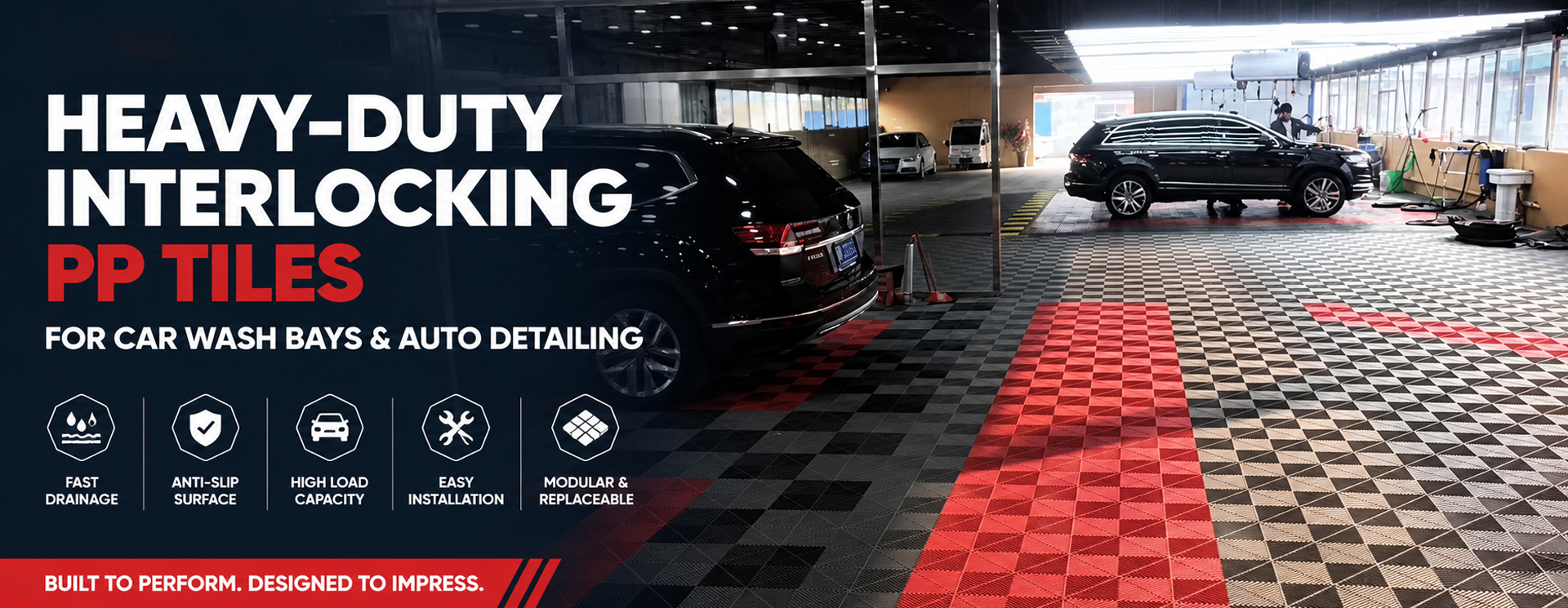
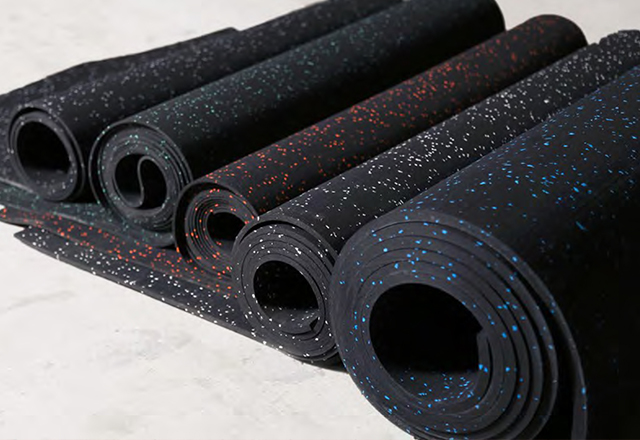
We are a factory specializing in high-performance interlocking rubber pavers for commercial spaces, play areas, and heavy-traffic zones. For Wholesale buyers and Manufacturers, we offer scalable SKUs, consistent quality, and dependable delivery that keeps your projects on track. Our interlocking system features durable recycled rubber, weather resistance, and a reliable drainage design that minimizes puddling and salt damage. The modular tiles snap together quickly on any flat sub-base, reducing install time and labour costs, while providing excellent slip resistance and noise reduction. We offer a range of thicknesses, colors and patterns to meet brand requirements and local codes. MOQ is friendly, and we can pack pallets to fit your logistics. Let us know your target volumes and lead times, and we’ll tailor a program with competitive pricing and quick replenishment. If you’re sourcing for Wholesale or Manufacturers, this is the partner you can trust.
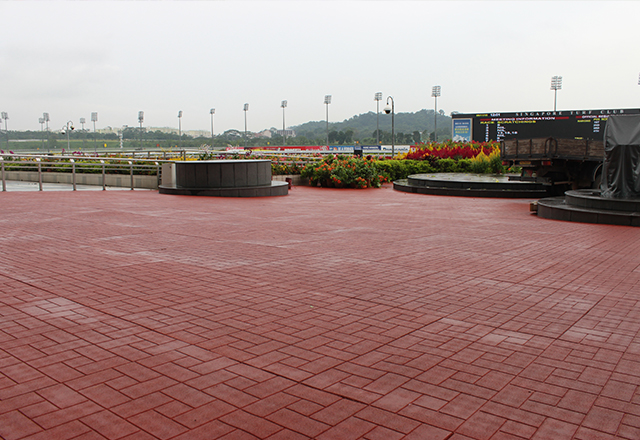
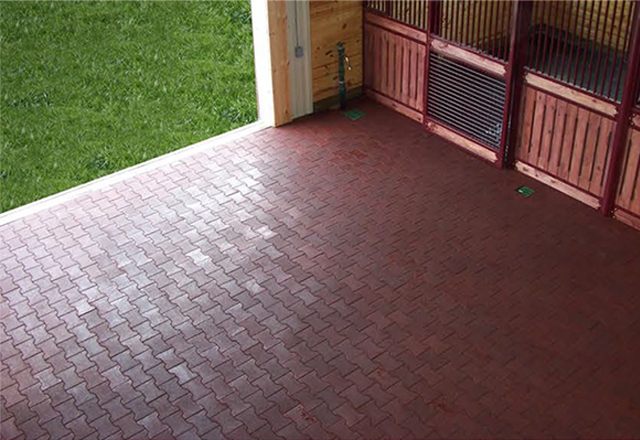
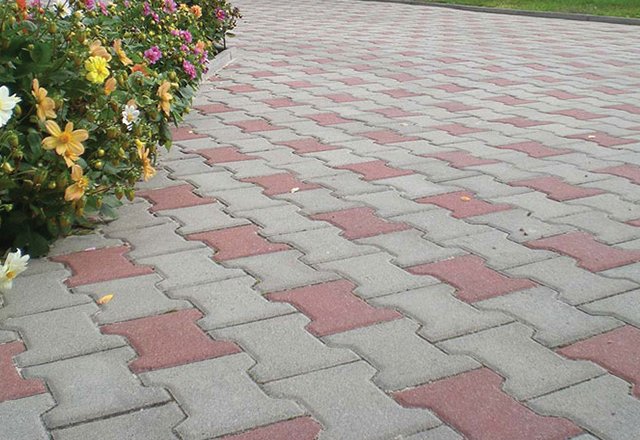
interlocking rubber pavers Supplies the World\u2019s Top Brands From Concept to Delivery
Global buyers are seeking durable, safe, and easy-to-maintain surfacing for parks, campuses, and commercial spaces. Interlocking rubber pavers deliver slip resistance, impact protection, and quick installation, with modular designs that adapt to different loads, climates, and color schemes. Their recycled content supports sustainability goals while offering long service life and easy replacement. From concept to delivery, the process starts with precise specifications, material selection, and performance targets. In-house testing ensures UV stability, drainage, and weather resistance; manufacturing emphasizes tight quality control and scalable production for global demand. Custom shapes, edge trims, and color options meet project needs; packaging and logistics are designed for safe transport and on-time arrival, with end-to-end support from design to installation.
| Variant | Size (mm) | Thickness (mm) | Surface Texture | Material | Slip Resistance (CoF) | Certifications | Lifespan (years) | Lead Time (days) | Delivery Regions |
|---|---|---|---|---|---|---|---|---|---|
| VAR-01 | 300 x 300 | 30 | Studded | EPDM Rubber + Binder | 0.62 | REACH; RoHS; ISO 9001 | 15 | 14 | Global (NA/EU/APAC) |
| VAR-02 | 400 x 400 | 25 | Ribbed | EPDM Rubber | 0.58 | REACH; ISO 9001 | 12 | 21 | NA/EU |
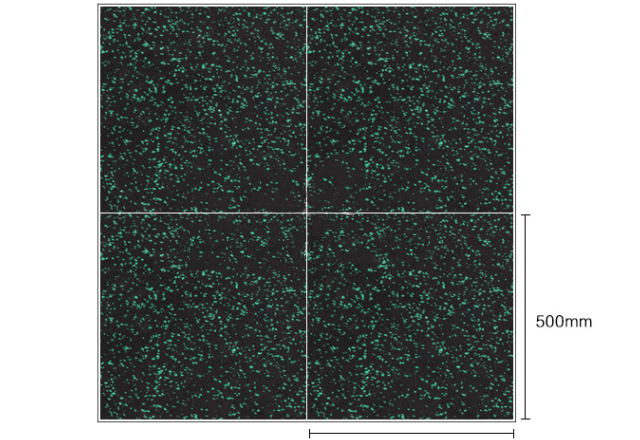
| VAR-03 | 500 x 500 | 30 | Smooth | EPDM + Binder | 0.64 | REACH; ISO 14001; RoHS | 16 | 18 | Global |
| VAR-04 | 600 x 600 | 40 | Studded | Recycled Rubber Blend | 0.60 | RoHS; ISO 9001; Green Seal | 18 | 28 | APAC; Europe; NA |
| VAR-05 | 300 x 450 | 25 | Groove | EPDM with recycled content | 0.57 | REACH | 14 | 12 | Europe; NA |
| VAR-06 | 450 x 450 | 35 | Grid pattern | EPDM | 0.59 | REACH; ISO 9001 | 15 | 20 | Global |
| VAR-07 | 350 x 350 | 20 | Smooth micro-textured | EPDM | 0.54 | ISO 9001 | 13 | 10 | NA; EU; APAC |
Related Products
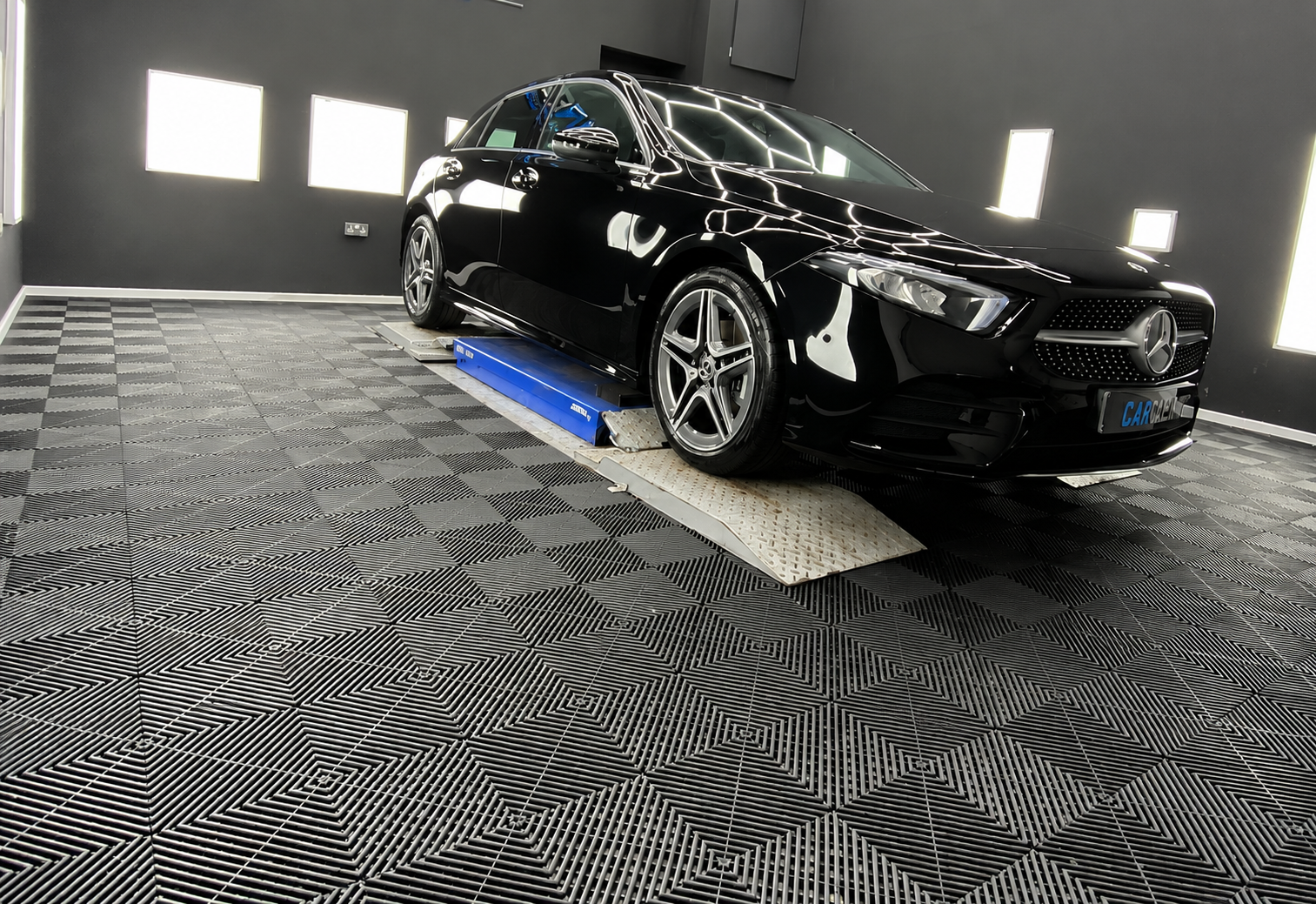
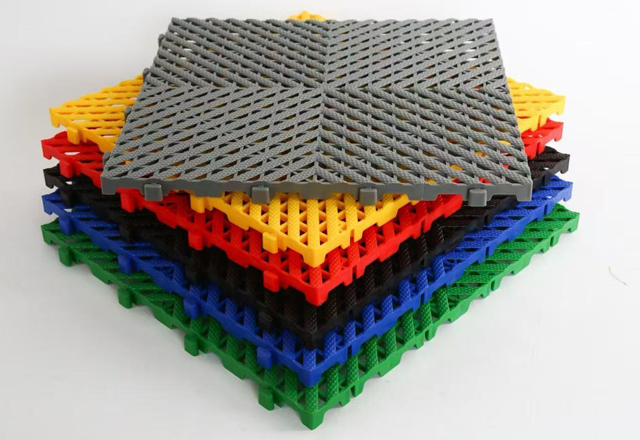
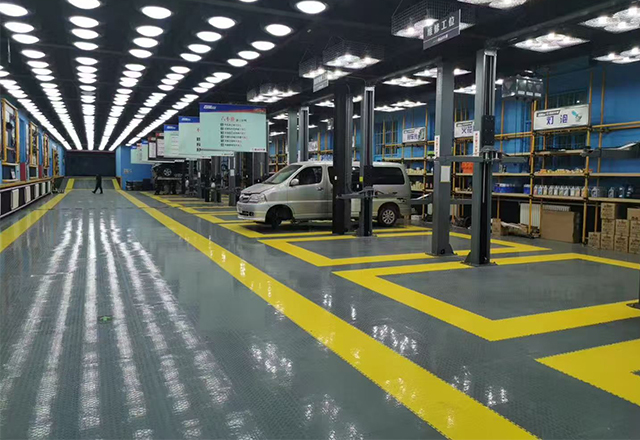
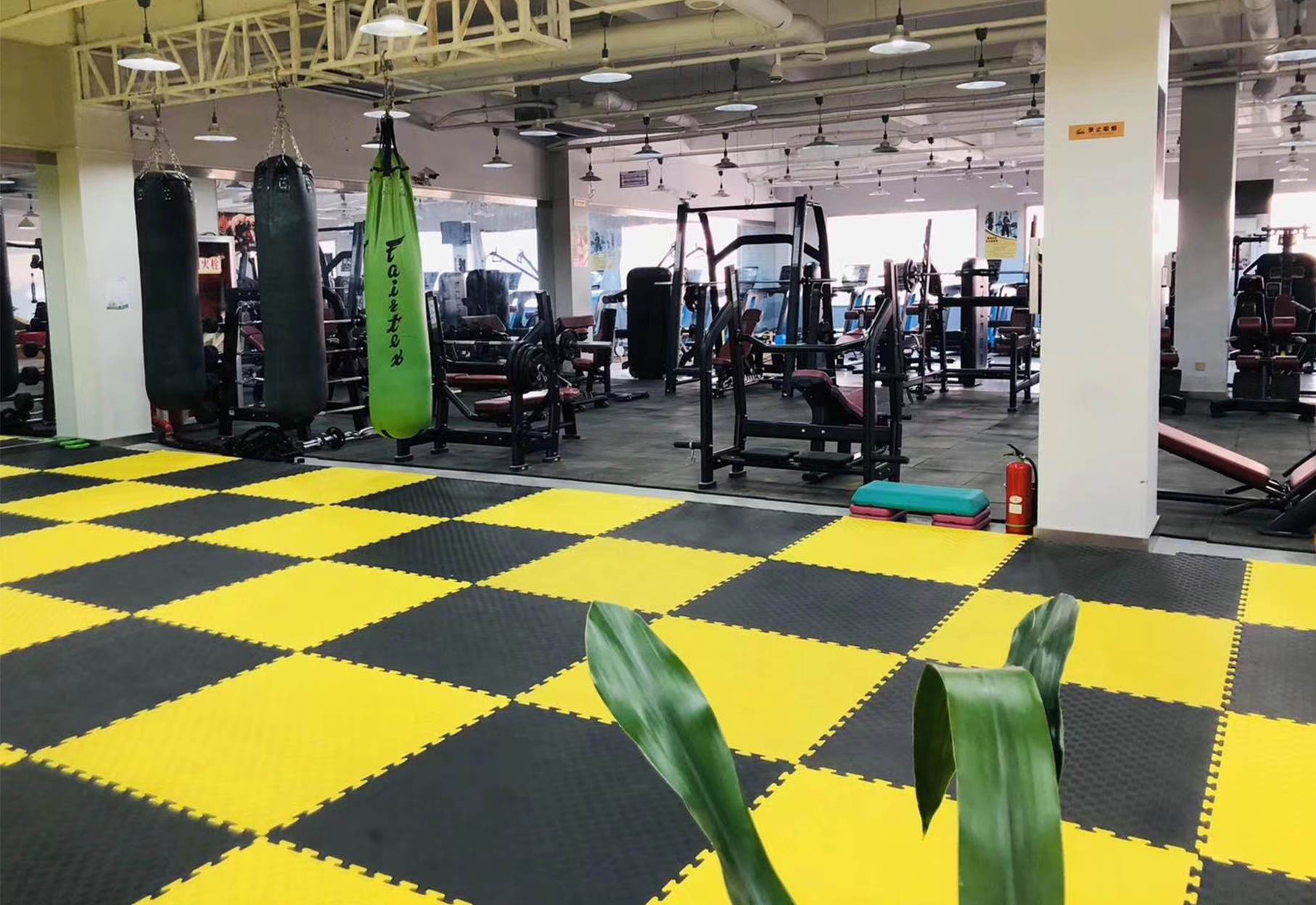
interlocking rubber pavers Now Trending Global Reach
Top Selling Products
- Related Blog
- Reviews
