
Light Industry Rubber Flooring | China Manufacturer
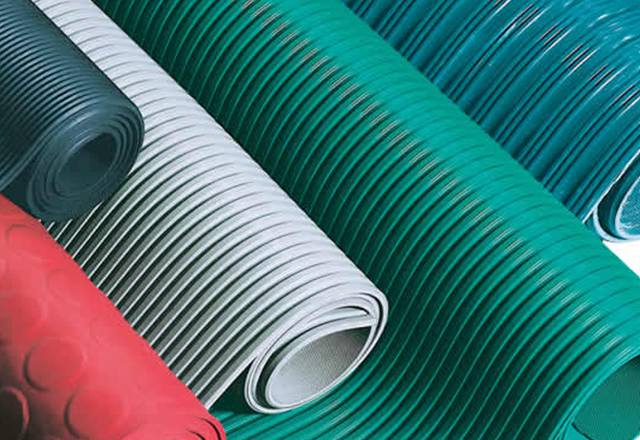
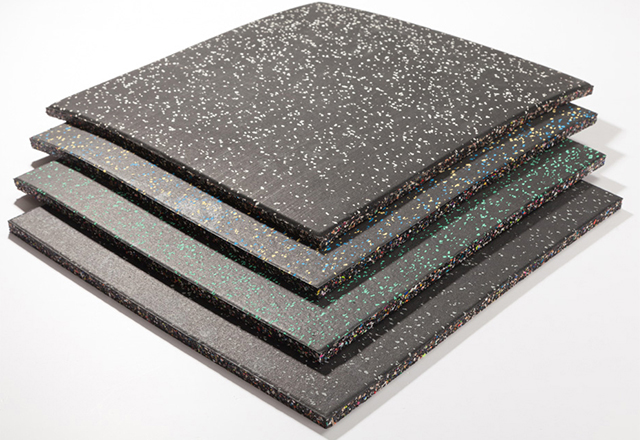
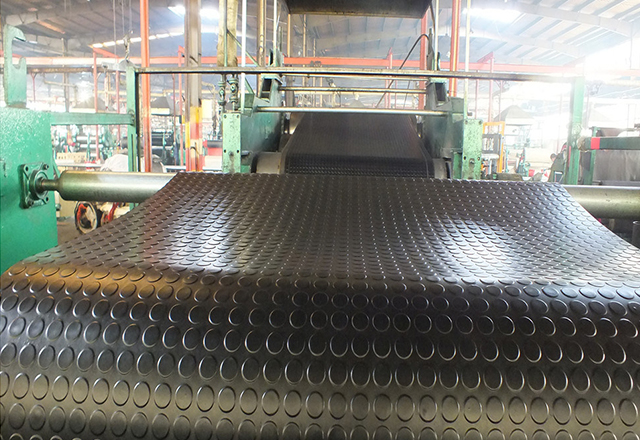
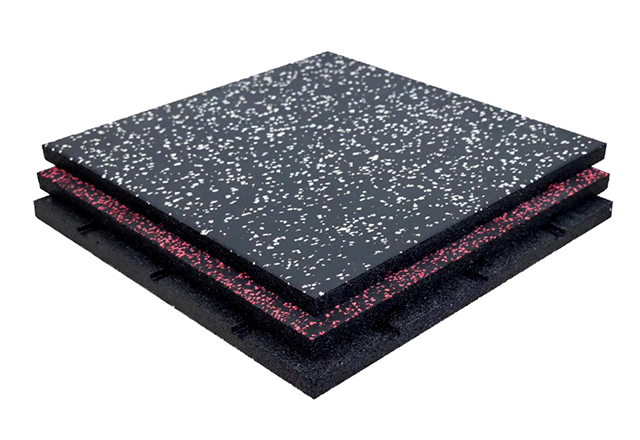
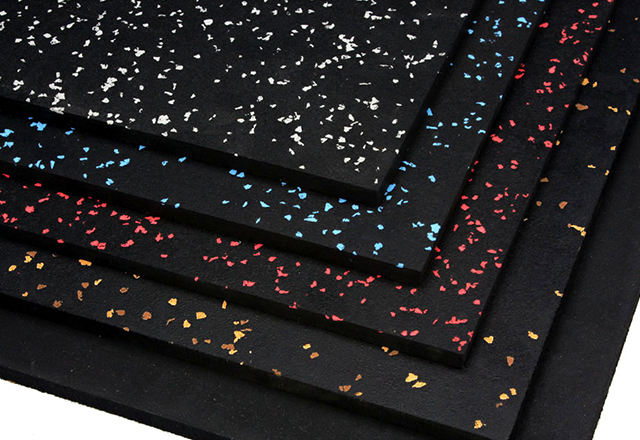
From the start, I know what matters to buyers in this field. I’m a China-based manufacturer offering durable light industry rubber flooring that stands up to high-traffic workshops, labs, and assembly lines. Our light industry rubber flooring resists oils, chemicals, and abrasion, while delivering excellent anti-slip safety, easy maintenance, and fast installation with interlocking or glued options. I tailor solutions for customers needing cost-effective, long-lasting flooring for production areas, packaging lines, or cleanrooms where tolerances matter. With strict QC from raw material to finished sheet, we guarantee consistent color and thickness, plus reliable cut-to-size options. We offer competitive MOQs, clear lead times, and responsive after-sales support. If you’re a buyer seeking dependable flooring, contact me today; as a China Manufacturer, we’re ready to ship worldwide and support your project with datasheets, installation guides, and sample swatches.
light industry rubber flooring Service Winning in 2025
Winning in 2025 for light industry rubber flooring rests on service as much as product. Global buyers prioritize floors that withstand daily wear, resist chemicals, and reduce worker fatigue, while staying easy to clean and hygienic. Flexible formats, fast turnarounds, and local support help projects meet tight timelines across factories, warehouses, and light manufacturing facilities. Key service differentiators include collaborative design, robust testing, and transparent specifications. Reliable suppliers offer modular or seamless solutions, with clear performance data, fire ratings, slip resistance, and VOC compliance. End-to-end support covers site assessment, installation planning, quality control, and aftercare like scheduled maintenance programs and warranty coverage. Global logistics and multilingual project management ensure consistent delivery to distant sites with minimal disruption. To win procurement attention in 2025, focus on lifecycle value: optimized total cost of ownership, durability, and lower risk. Provide real-time order tracking, digital documentation, and auditable certifications. Emphasize sustainability through recycled content and responsible manufacturing. A service-led approach that reduces downtime, shortens lead times, and guarantees post-installation support will resonate with buyers seeking dependable, compliant rubber flooring for diverse light-industry applications.
| Region | Year | Estimated Market Size (B USD) | Installed Base (M m2) | CAGR 2023-2025 (%) | Avg Install Time (days/100m2) | Durability (years) | Sustainability Score |
|---|---|---|---|---|---|---|---|
| North America | 2023 | 1.00 | 110 | 4.5 | 6 | 12 | 78 |
| North America | 2024 | 1.10 | 114 | 4.5 | 6 | 12 | 79 |
| North America | 2025 | 1.20 | 118 | 4.5 | 6 | 12 | 80 |
| Europe | 2023 | 0.90 | 95 | 3.8 | 5 | 11 | 75 |
| Europe | 2024 | 0.95 | 98 | 3.8 | 5 | 11 | 76 |
| Europe | 2025 | 1.00 | 102 | 3.8 | 5 | 11 | 77 |
| Asia-Pacific | 2023 | 2.10 | 260 | 6.2 | 4 | 10 | 82 |
| Asia-Pacific | 2024 | 2.30 | 290 | 6.1 | 4 | 10 | 83 |
| Asia-Pacific | 2025 | 2.60 | 320 | 6.0 | 4 | 10 | 85 |
| Latin America | 2023 | 0.40 | 50 | 5.0 | 7 | 11 | 70 |
| Latin America | 2024 | 0.45 | 53 | 5.0 | 7 | 11 | 72 |
| Latin America | 2025 | 0.50 | 57 | 5.0 | 7 | 11 | 74 |
| Middle East & Africa | 2023 | 0.60 | 60 | 4.1 | 6 | 12 | 68 |
| Middle East & Africa | 2024 | 0.65 | 65 | 4.1 | 6 | 12 | 69 |
| Middle East & Africa | 2025 | 0.70 | 70 | 4.1 | 6 | 12 | 70 |
Related Products
light industry rubber flooring Service Manufacturers You Can Rely On
Top Selling Products
- Related Blog
- Reviews
