
Modular PVC Flooring - China Manufacturer for Global Projects
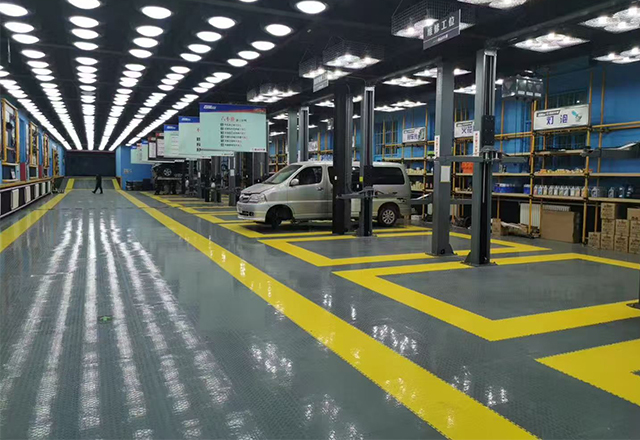
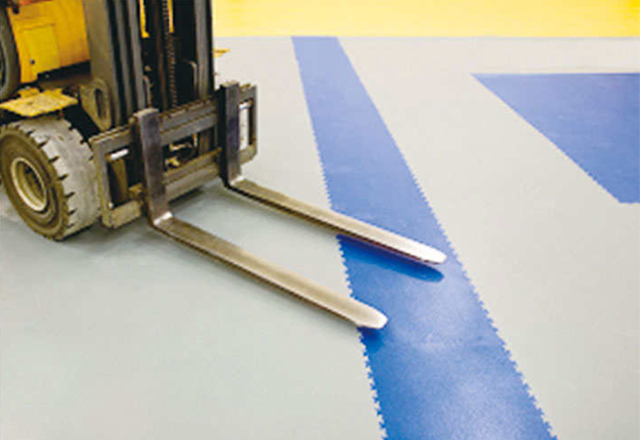
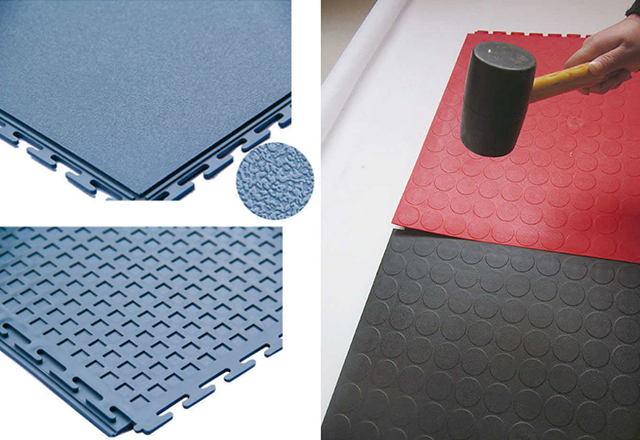
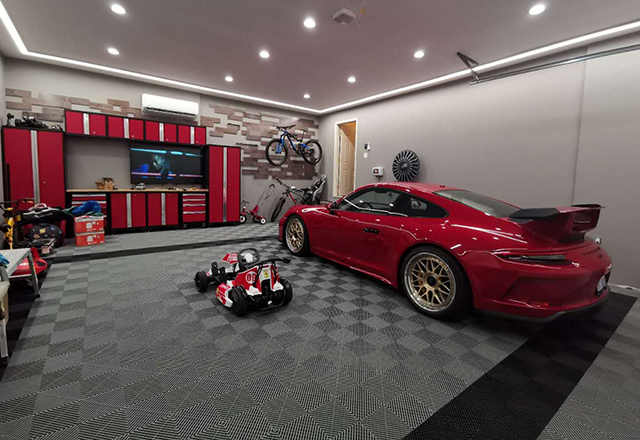
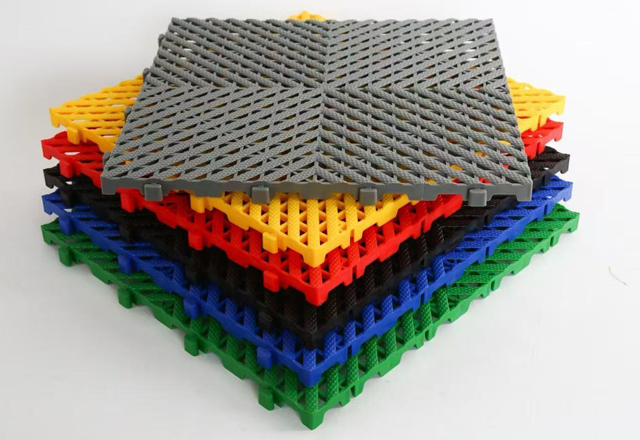
From our factory in China, we offer modular PVC flooring that stands up to busy environments. We are a Manufacturer focusing on durable, cost-effective floor solutions for commercial projects. The modular design with a click-lock system makes installation quick and clean, no messy adhesives. Our flooring is waterproof, wear-resistant, and easy to clean, ideal for hospitals, schools, shops, and warehouses. We can provide custom colors, patterns, and thicknesses to match your project needs, with low minimums and scalable production. We supply in bulk with strong QC, consistent colors, and fast lead times. Our team supports you from samples to site delivery, including packaging and logistics in China and export worldwide. If you seek a reliable supplier with competitive pricing, ample stock, and proven performance, this modular PVC flooring could be the right fit for you, and we are ready to cooperate with your next project.
modular PVC flooring Industry Leaders Ahead of the Curve
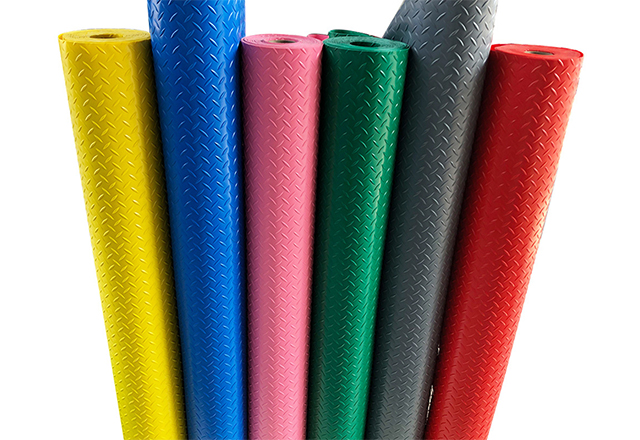
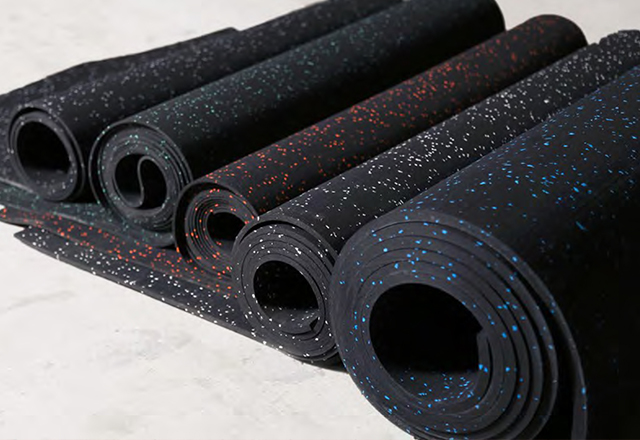
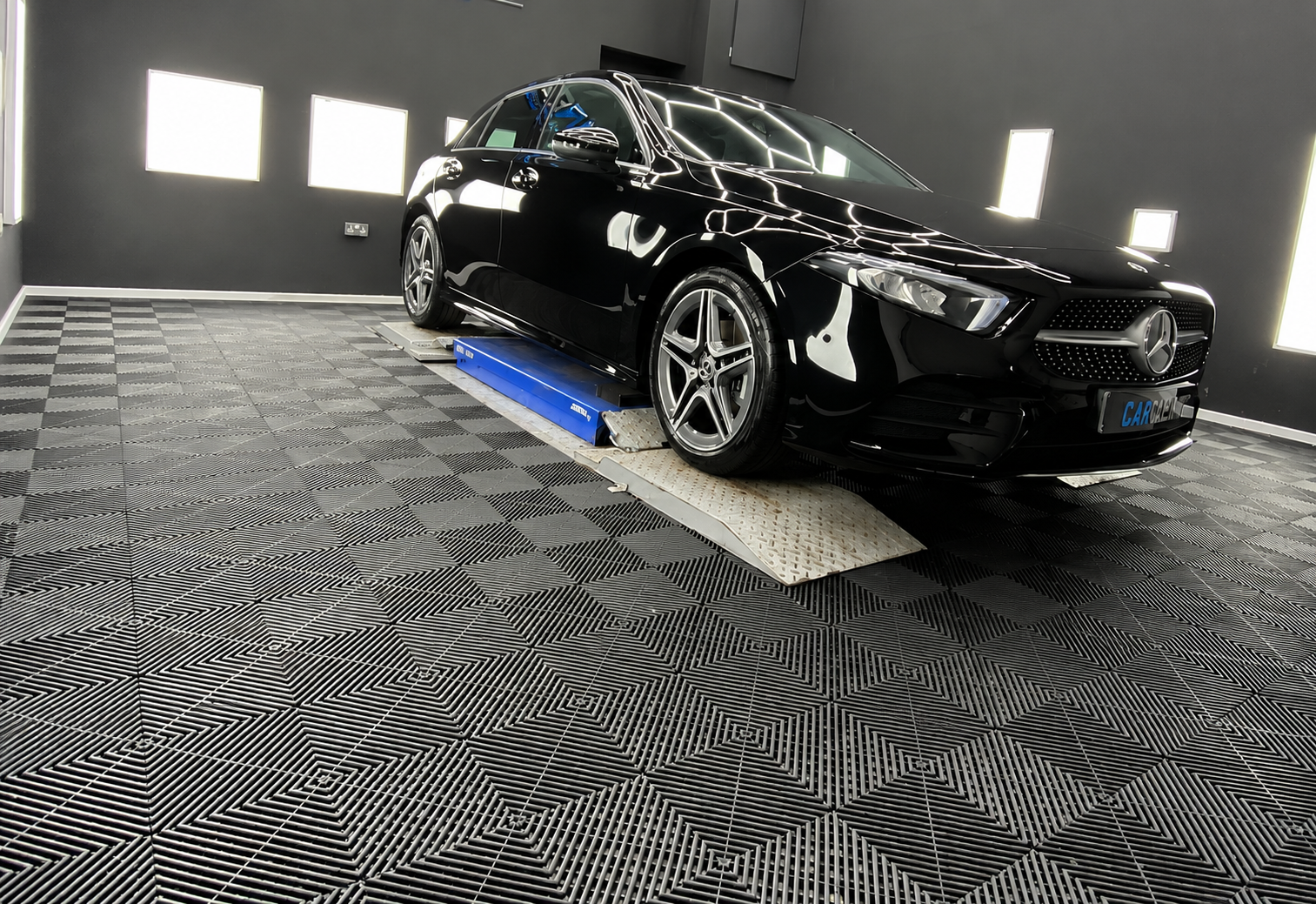
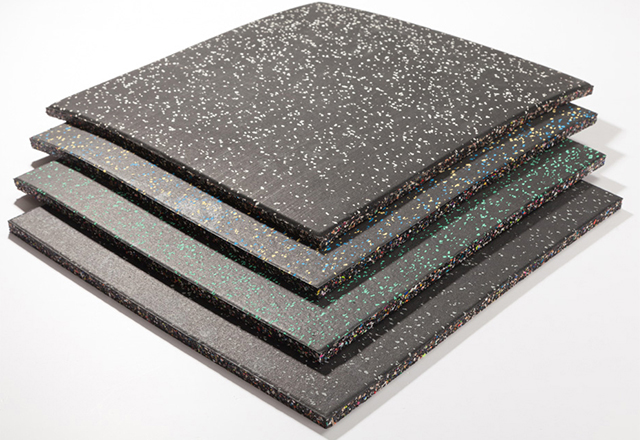
Leading the modular PVC flooring industry means combining cutting‑edge materials science with lean manufacturing to deliver durable, attractive and sustainable floors for global projects. Our modular systems offer high wear and scratch resistance, water and stain protection, anti‑slip surfaces, low‑VOC formulations and fire‑retardant options, engineered for fast click‑lock or loose‑lay installation to minimize downtime in commercial, healthcare, education, retail and sports environments. Customizable colors, wood and stone visuals, plus acoustic or anti‑fatigue layers meet design intent without compromising performance. From R&D and rigorous quality control to scalable production and optimized logistics, we ensure consistent lead times, flexible MOQs and OEM/ODM capabilities to suit specifiers and distributors worldwide. Products are tested to international standards and supplied with warranties, technical documentation and sample support to simplify evaluation and approval. For projects that demand reliable, cost‑effective and sustainable modular PVC flooring, we deliver tailored supply solutions and dedicated technical support.
| Metric | Unit | Industry Average (2025) | Typical Range | 2020–2025 CAGR | Notes / Standards |
|---|---|---|---|---|---|
| Wear Layer Thickness (commercial LVT) | mm | 0.55 | 0.20 – 0.70 | — | Common commercial wear layer for high-traffic modular PVC; relates to durability and warranty. (see EN 649) |
| Total Thickness (overall gauge) | mm | 4.2 | 2.5 – 8.0 | — | Varies by application: residential thin gauges to heavy-duty 8 mm panels for industrial/commercial use. |
| Apparent Density (PVC compound) | g/cm³ | 1.35 | 1.30 – 1.45 | — | Indicative density for vinyl-based modular panels; impacts mass, stability and acoustic performance. |
| Thermal Conductivity | W·m⁻¹·K⁻¹ | 0.17 | 0.13 – 0.22 | — | Relevant for underfloor heating compatibility and thermal comfort. |
| Impact Sound Reduction (with underlayment) | dB (ΔL) | 18 | 12 – 28 | — | Measured improvements depend on underlay and subfloor; higher values better for multi-storey buildings. |
| Slip Resistance (surface μ) | Coefficient / Class | ≈0.30 (EN 13893) / DS | ≥0.18 – ≥0.60 | — | Values vary by finish and treatment; many commercial grades target EN 13893 requirements. |
| Reaction to Fire Classification | EN 13501-1 | Bfl‑s1 | Bfl‑s1 – Dfl‑s1 | — | Higher-spec commercial products often achieve Bfl‑s1; classification depends on construction and backing. |
| Post-Industrial Recycled Content | % | 15 | 5 – 40 | — | Recycled content is growing in modular lines; higher proportions found in lower-thickness or specialty panels. |
| Post-Consumer Recycled Content | % | 5 | 0 – 25 | — | Post-consumer content remains limited due to material quality and collection challenges. |
| End-of-Life Recycling Rate (industry average) | % | 12 | 0 – 35 | — | Rate depends on take-back schemes and regional infrastructure; many areas still rely on landfill/incineration. |
| TVOC Emissions (28-day) | mg/m³ | 0.30 | <0.10 – 0.50 | — | Typical low-emission modular products measure under 0.5 mg/m³; relevant for indoor air quality specifications and certification. |
| Expected Service Life (commercial use) | Years | 12 | 5 – 30 | — | Highly dependent on wear layer, maintenance, and traffic; higher-end modular systems approach multi-decade performance in low-traffic areas. |
| Typical Installation Productivity (click systems) | m² / installer / hr | 6.5 | 4 – 12 | — | Click-lock modular formats improve speed vs. fully glued installations; site conditions strongly influence rates. |
| Common Panel / Tile Sizes | mm | 150 × 900 | 150 × 900 → 600 × 1200 | — | Modular formats follow LVT dimensions; larger panels deliver faster coverage but require better subfloor tolerances. |
| Dimensional Tolerance (joint flatness) | mm | ±0.15 | ±0.05 – ±0.30 | — | Tighter tolerances improve seam appearance and reduce telegraphing on uneven substrates. |
| R&D Investment (share of revenue, industry average) | % | 1.8 | 0.5 – 4.0 | — | Investment supports formulation, recycling processes, and performance enhancements (plasticizers, wear layers). |
| Market Growth (modular/vinyl segment) | % CAGR | 3.5 | 1.5 – 6.0 | 3.5% | Growth driven by LVT adoption, renovation cycles, and increased specification in commercial interiors. |
Related Products
modular PVC flooring Trusted by Pros Winning in 2025
Top Selling Products
- Related Blog
- Reviews
