banner 1

OEM gym flooring Wholesale from Trusted Manufacturers

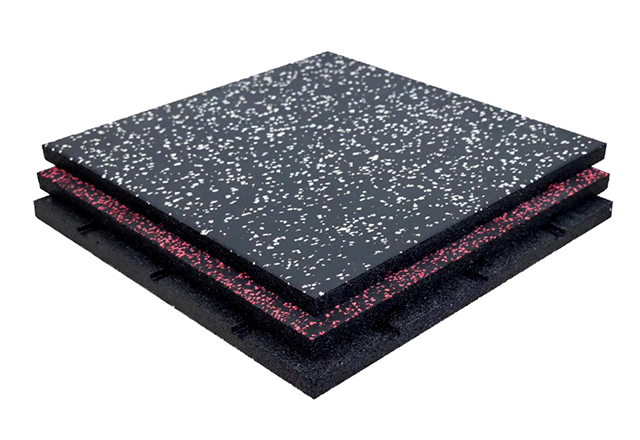
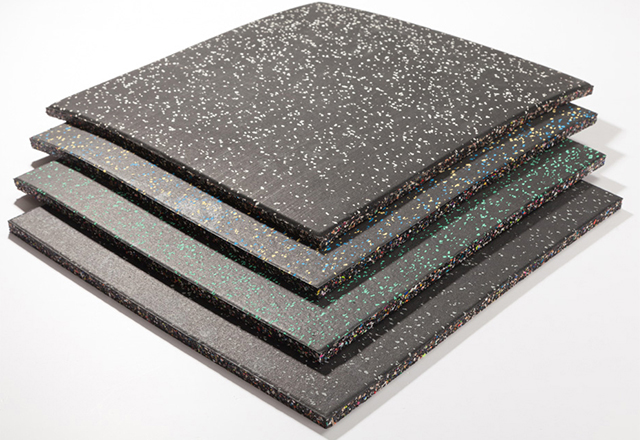
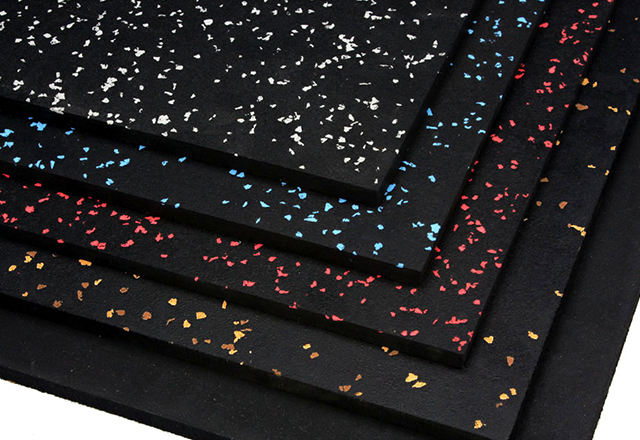
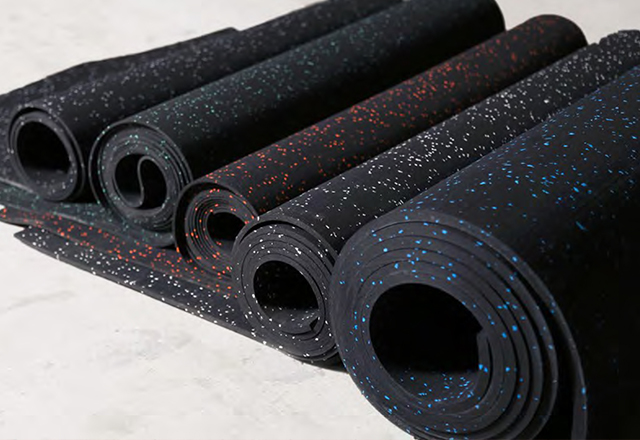
With years of experience delivering high-performance OEM gym flooring, I know that your projects demand reliability, fast delivery, and scalable pricing. Our OEM gym flooring is engineered for heavy use, shock absorption, moisture resistance, and easy maintenance. It combines durable wear layers with a resilient base to reduce noise and protect subfloors in commercial gyms, training studios, and rehabilitation centers. For Wholesale and Manufacturers, I offer flexible bulk pricing, customizable thicknesses, colors, and edge profiles, plus fast lead times. I can provide full project support—from sample testing to installation guidance and long-term warranty coverage. Our manufacturing partners ensure consistent quality across batches, so you can stock inventory with confidence. I’m committed to clear communication, accurate quotes, and on-time shipments, even for global orders. If you need a reliable, scalable OEM gym flooring solution that grows with your business, I’m here to help—and I welcome your inquiry today.
Hot Selling Product

OEM gym flooring Factory-Direct Excellence Custom Solutions,

Factory-direct OEM gym flooring delivers measurable value for global purchasers: competitive pricing from centralized production, consistent quality through end-to-end manufacturing control, and flexible custom solutions—colors, thicknesses, durometers, logos, tile or roll formats, and tailored shock‑absorption or anti‑slip properties. Options span virgin and recycled rubber, EPDM, SBR and polyurethane blends, each tested to industry standards for durability, VOCs, and wear resistance to meet commercial, school, and boutique studio demands. High-volume capacity supports scalable lead times and reasonable MOQs while dedicated technical teams provide pre-production samples, performance test reports, shipping optimization and installation guidance. Choosing a factory-direct OEM partner ensures transparent supply chain, faster iteration on custom specs, and reliable after‑sales support—key for procurement teams seeking long-term value and consistent facility performance.

{ OEM gym flooring Factory-Direct Excellence Custom Solutions,}
Product Type Material Composition Thickness (mm) Density (kg/m³) Hardness (Shore A) Impact Attenuation (% energy absorbed)
Interlocking Rubber Tile Recycled SBR base with EPDM decorative granules 10 / 15 / 20 1,100 65 45–60
Rolled Rubber Flooring Vulcanized rubber sheet (SBR) 4 / 6 / 8 / 10 1,200 70 30–45
Recycled Rubber Tile (Heavy Duty) High-density recycled rubber granules bound with PU binder 20 / 25 1,250 68 55–70
EPDM Rubber Play Surface Virgin EPDM granules with polyurethane binder 25 / 35 1,050 60 65–75
High-Density EVA Exercise Mat Closed-cell EVA foam with reinforced skin 10 / 15 / 25 220 30 40–55
Typical Certifications
EN 1177 / ASTM F1292 (where applicable), REACH compliance, CE marking, ISO quality controls
Slip Resistance (COF)
Typical values: dry 0.6–1.0; wet 0.4–0.8 (dependent on texture)
Additional Performance Notes
Recyclability ranges 60–95% depending on material mix; thermal conductivity typically 0.04–0.20 W/m·K; acoustic reduction 10–25 dB depending on thickness and underlay.

Related Products

banner 4

OEM gym flooring Service Dominates

Market Share Growth of OEM Gym Flooring Services (2018–2025)

This chart illustrates the evolving market share of three segments within the commercial gym flooring industry from 2018 through 2025. The primary focus is the growth of OEM (Original Equipment Manufacturer) flooring services, which exhibit steady and accelerating adoption as facility operators prioritize standardized quality, supply-chain integration, and volume pricing. OEM market share rises from 35% in 2018 to 58% in 2025, reflecting strategic investments in production capacity and partnerships with large chains. Private-label installers and distributors show modest gains early on but decline after 2021, moving from 40% to 25% by 2025 as economies of scale favor OEM arrangements. Boutique and specialty flooring providers maintain a smaller but resilient niche, growing slightly from 25% to 17% then stabilizing. Their value proposition—custom finishes, specialized shock absorption, and aesthetic variety—remains attractive for premium studios and renovation projects but cannot match OEM pricing for large rollouts. The divergence after 2020 is influenced by three correlated dynamics: consolidation among national fitness operators demanding consistent specifications; increased emphasis on lifecycle cost analysis; and improvements in OEM logistical offerings that reduce lead time and onsite coordination costs. External pressures such as raw material variability and labor shortages also accelerate consolidation, because OEMs are better positioned to hedge supply risk. For stakeholders, the trend implies procurement strategies should weigh long-term total cost of ownership and supplier capacity more heavily than upfront price. Manufacturers and installers can respond by developing hybrid offerings—standardized core products with modular customization—to capture both scale and premium segments. Investors may view OEM-focused firms as lower-risk bets in market expansion, while niche providers should emphasize differentiation and service excellence to defend margins. Operationally, firms should track installation lead times, warranty claims, material sourcing diversity, and per-square-meter lifecycle costs to make evidence-based procurement decisions and to measure competitive positioning over time consistently.

Top Selling Products