
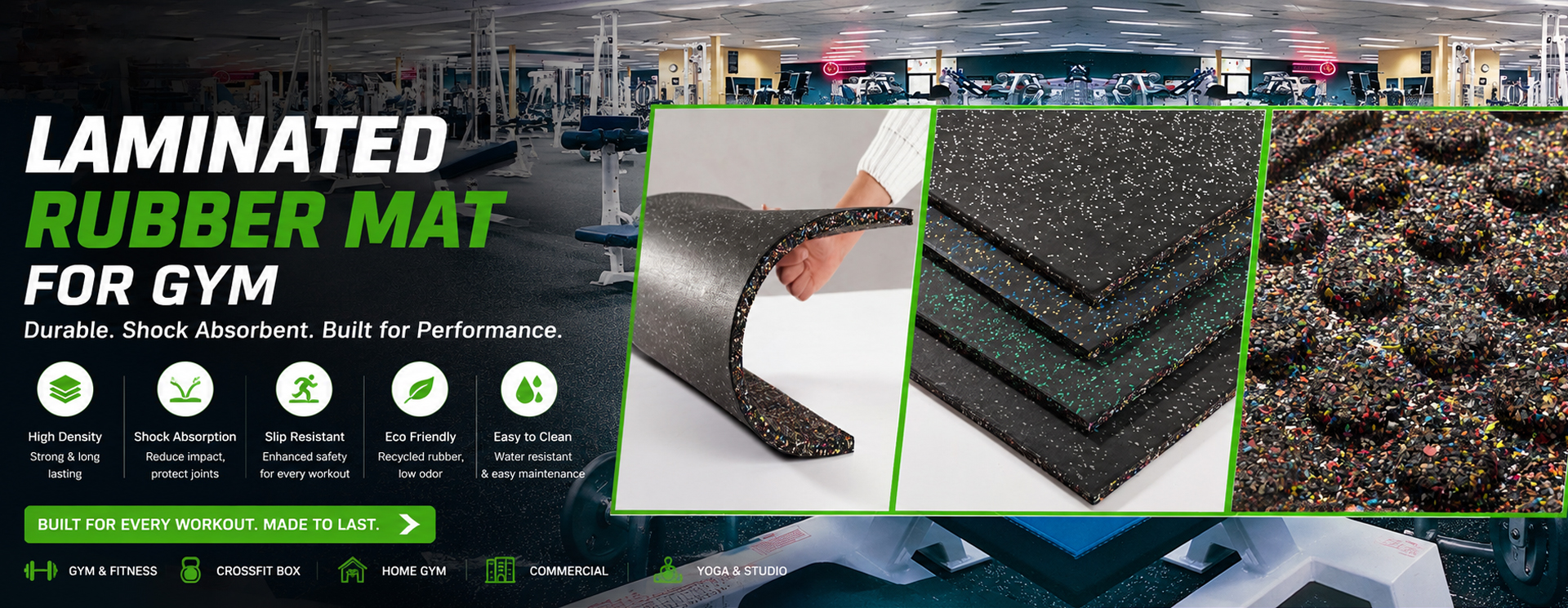
Outdoor Rubber Safety Surface Manufacturer in China
As a China-based manufacturer, I bring you durable outdoor rubber safety surface solutions designed for playgrounds, schools, and community spaces. Our outdoor rubber safety surface combines resilience and slip resistance, meeting safety standards while delivering long service life. I offer customizable colors, thicknesses, and textures to fit your project specs and budget. When you partner with me, you get direct access to factory pricing, strict QC, and timely delivery. Our production uses recycled crumb rubber and EVA foam blends to minimize maintenance and maximize impact absorption, keeping kids and adults safe. We serve B2B buyers worldwide who seek reliable, compliant, and cost-effective solutions. Sample orders welcome, OEM/ODM options available, and we handle installation guidance to ensure proper drainage and safety. If you're in China and need a trusted Manufacturer for an outdoor rubber safety surface, I am ready to discuss your specs and provide a competitive quote today.
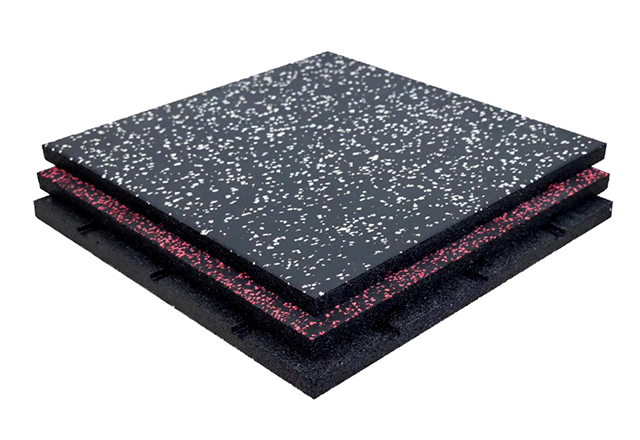
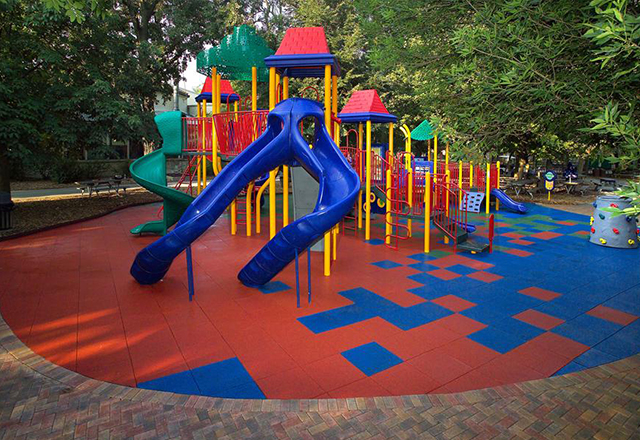
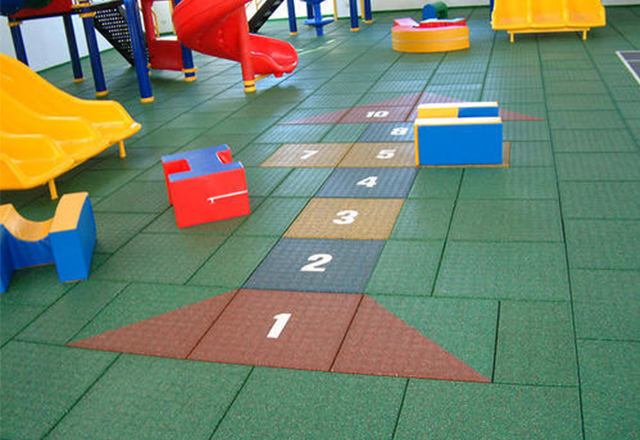
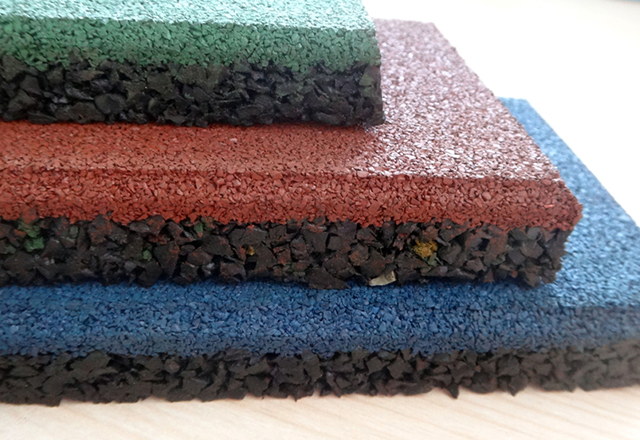
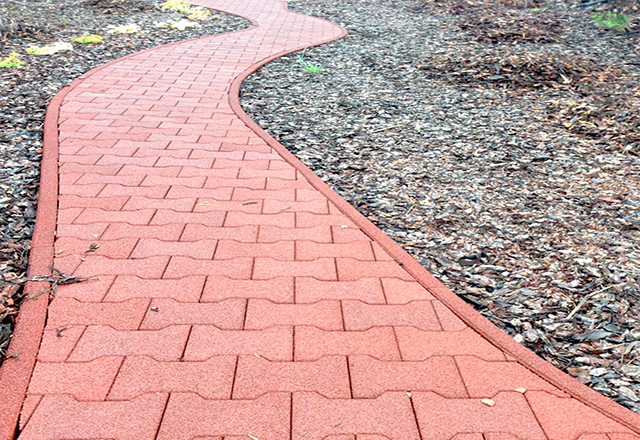
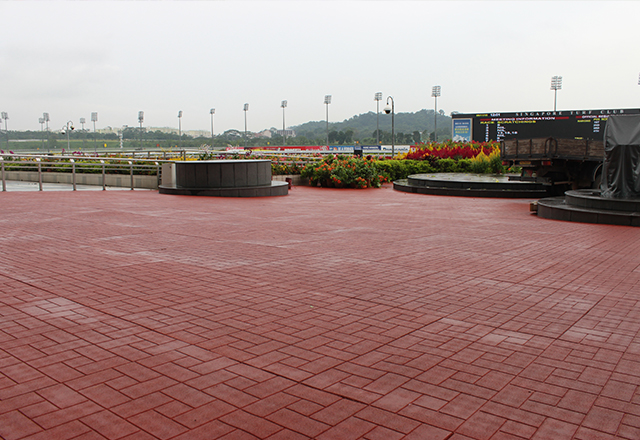
outdoor rubber safety surface Delivers Unmatched Quality Outperforms the Competition
Global buyers want outdoor rubber safety surfaces with top-tier impact absorption, slip resistance, and weather resilience. Engineered blends, UV-stable colors, and fast-draining backing reduce water retention while keeping texture intact. Compliant with EN 1177 and ADA accessibility, it stays durable under heavy use and varying climates. Its modular design suits playgrounds, fitness zones, and public spaces, delivering reliable performance from heat to frost. From inquiry to installation, the emphasis is dependable manufacturing and ongoing support. Rigorous quality control, ISO-based processes, and targeted testing confirm durability and safety metrics, while scalable packaging and logistics ensure steady global delivery. Easy installation and low maintenance make it a long-lasting choice for high-traffic environments. For global buyers seeking value and performance that outperforms competitors, this surface sets the standard in outdoor safety.
outdoor rubber safety surface Delivers Unmatched Quality Outperforms the Competition
| Dimension | Measure | Typical Value | Unit | Test Method / Standard | Notes |
|---|---|---|---|---|---|
| Material Composition | EPDM rubber granules, polyurethane binder, color pigments | EPDM 60-70%; Binder 25-35%; Pigments 5-10% | % | Internal specification | Color customization available |
| Density | Sample mass per volume | 1.6 - 1.8 | g/cm³ | ASTM D792 | Measured at 23°C |
| Shore Hardness | Surface hardness | 45 - 55 | Shore A | ASTM D2240 | Balanced for play areas |
| Slip Resistance | Pendulum test value (PTV) | 65 - 75 | PTV | EN 13893 / DIN 51097 | High traction under wet conditions |
| Impact Attenuation | Critical Fall Height (CFH) rating | 1.6 - 2.0 | m | EN 1177 / ASTM F1292 | CFH typical for playgrounds |
| Drainage / Porosity | Water permeability | 0.5 - 1.0 | L/m²·s | Field drainage test | Quick runoff after rainfall |
| Temperature Range | Operational exposure | -20 to +60 | °C | Thermal cycling / Outdoor exposure | Suitable for diverse climates |
| UV Color Retention | Color stability over time | ≥ 90% | % | Accelerated weathering ISO 4892-3 / ASTM G53 | Resists color fading |
| Durability / Lifespan | Expected service life | 10 - 15 | years | Accelerated aging tests | Under normal playground use |
| Maintenance Interval | Inspection / resealing | Annual inspection; resealing every 5-7 | years | Maintenance guideline | Preserves non-slip surface |
| Recycled Content | Proportion of recycled materials | 60 - 70 | % | Material audit | Supports circular economy |
| Fire / Flammability | Reaction to fire | Class A (non-combustible) | — | EN 13501-1 | Low flame-spread risk |
Related Products
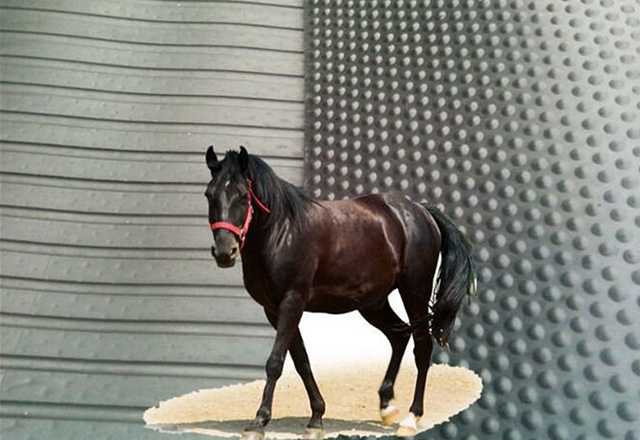
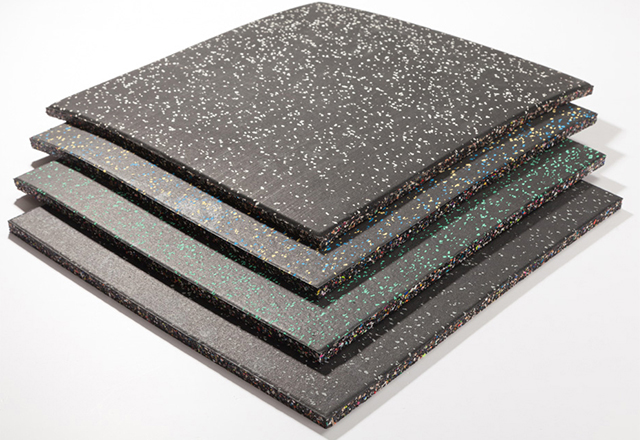
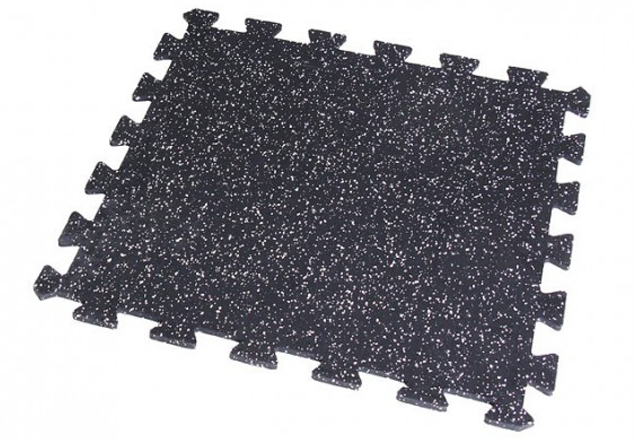
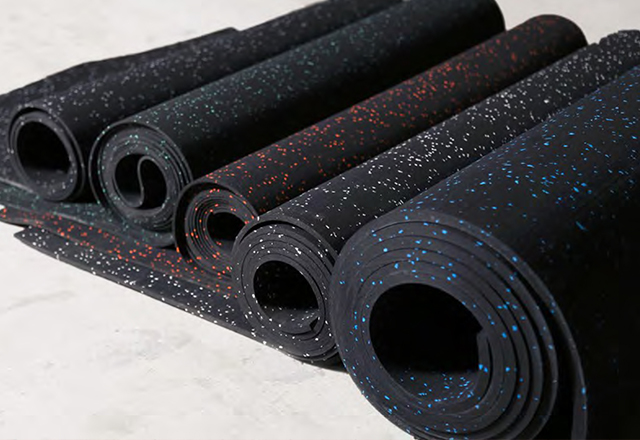
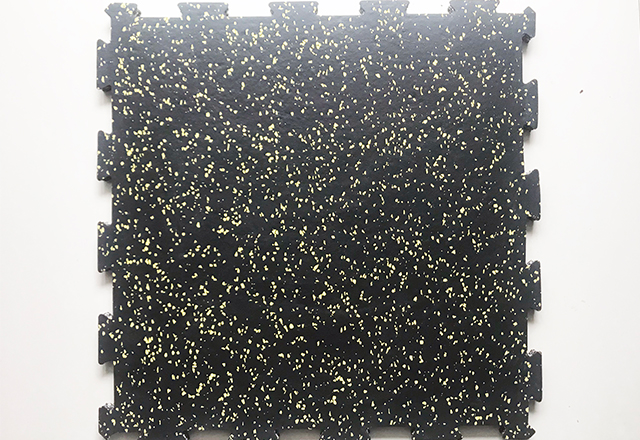
outdoor rubber safety surface Ahead of the Curve Trusted by Pros
Top Selling Products
- Related Blog
- Reviews
