
Personal Training Studio Flooring Wholesale & Manufacturers
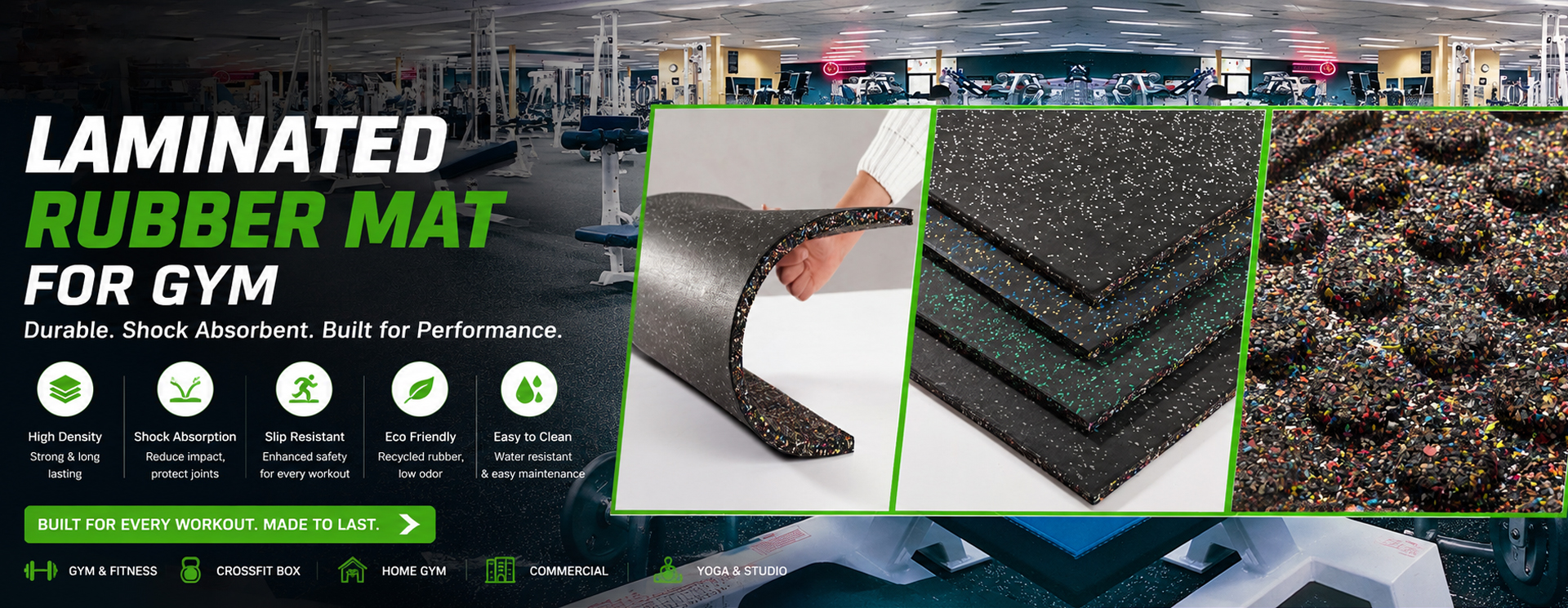
I’m in the business of delivering personal training studio flooring that stands up to daily use in busy commercial spaces. For Wholesale partners and Manufacturers, I offer scalable, reliable solutions designed to fit growing studios and multi-site operators. Our flooring blends durability with comfort—rubber or PU vinyl options deliver excellent shock absorption, slip resistance, and sound dampening for weight rooms and functional zones alike. It’s easy to install with interlocking tiles or click-lock sheets, and maintenance stays simple with stain-resistant finishes. We tailor thicknesses and surface textures to your training demands—from heavy lifts to high-impact cardio—while keeping lifecycle costs low through wear-resistant compounds and UV-stable colors. I back orders with consistent lead times, certified safety data, and bulk pricing that helps you win bids. Let me help you expand your portfolio with quality personal training studio flooring that your Wholesale customers and Manufacturers can trust.
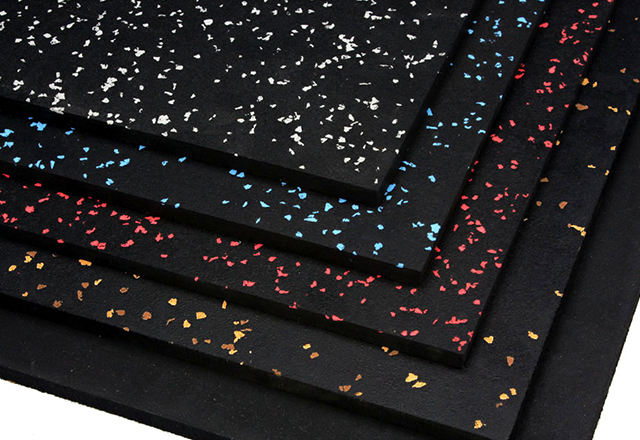
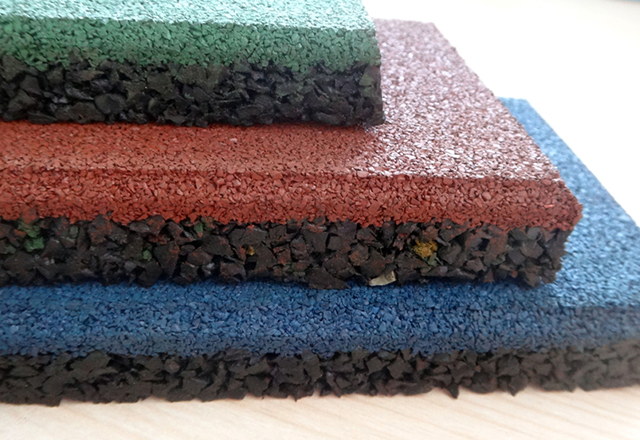
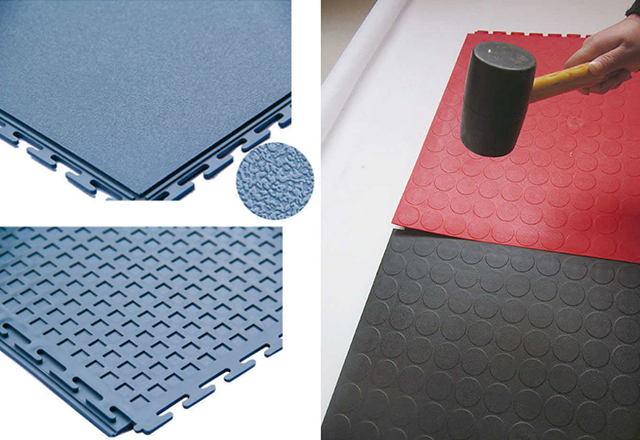
personal training studio flooring Now Trending Factory-Direct Excellence
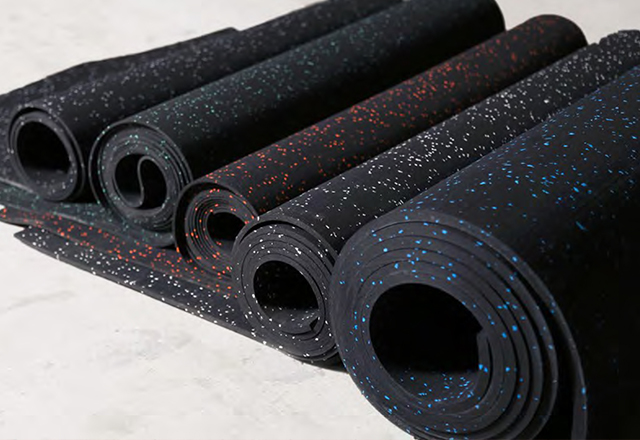
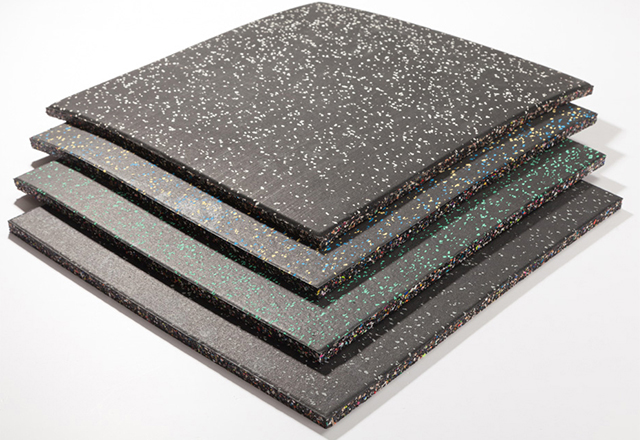
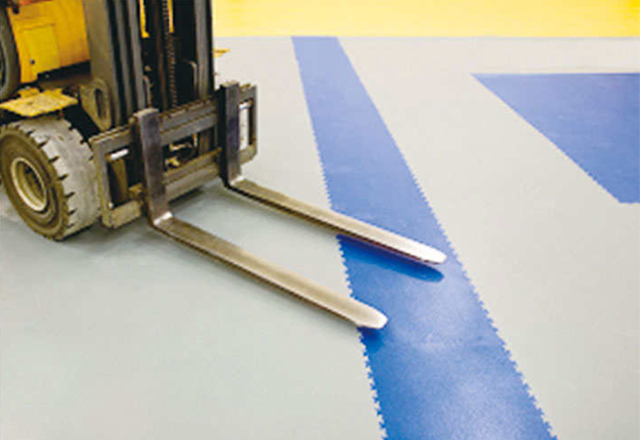
Within the fast-paced fitness sector, personal training studios need flooring that withstands daily use, offers reliable grip, and enhances safety. Factory-direct excellence now makes it possible to source rubber flooring with customized color, thickness, and tile shapes, while reducing lead times and costs. Interlocking tiles or roll-out sheets provide quick installation and scalable options for projects of any size, delivering consistent performance across busy studios worldwide. Global buyers should evaluate material performance, safety standards, and sustainability, along with logistics and after-sales support. Seek clear quality controls, transparent recycled-content labeling, and straightforward warranties. A factory-direct approach enables faster shipping, direct communication for samples and installation guidance, and simplified bulk ordering. With the right partner, studios can secure durable, low-maintenance flooring that meets diverse regulatory requirements and creates an inviting, high-performance training space.
{ personal training studio flooring Now Trending Factory-Direct Excellence}
| Material | Density (kg/m3) | Thickness (mm) | Slip Resistance (DIN 51130) | Impact Reduction (dB) | Use Case | Durability (Years) | Maintenance | Fire Rating | Installation |
|---|---|---|---|---|---|---|---|---|---|
| Recycled Rubber Flooring | 1100 | 6 | R10 | 23 | High-impact weightlifting and plyometrics | 15 | Daily sweep; weekly damp-mop | Class B-s1 d0 | Floating |
| Luxury Vinyl Tile (LVT) | 1500 | 2.5 | R11 | 16 | Cardio zones and studios | 12 | Regular sweep; damp mop as needed | Class B-s1 d0 | Glue-down |
| Cork Composite Tile | 270 | 8 | R9 | 19 | Yoga and stretching | 9 | Vacuum; reseal every 1-2 years | Class B-s1 d0 | Floating |
| Poured Epoxy with Chip | 1200 | 6 | R10 | 22 | Weights and functional training | 25 | Seal and clean weekly | Class B-s1 d0 | Self-leveling poured |
| EVA Foam Tiles | 90 | 12 | R9 | 18 | Studio warmups and floor exercises | 6 | Rinse with water; air dry | Class B-s1 d0 | Interlocking tiles |
| PU Modular Flooring | 1400 | 5 | R11 | 20 | Functional zones and cardio | 15 | Daily sweep; damp mop weekly | Class B-s1 d0 | Interlocking modules |
| Bamboo Composite Tile | 1100 | 4 | R12 | 14 | Studio corridors and light-weight areas | 12 | Dust mop; occasional sealing | Class B-s1 d0 | Glue-down or floating |
Related Products
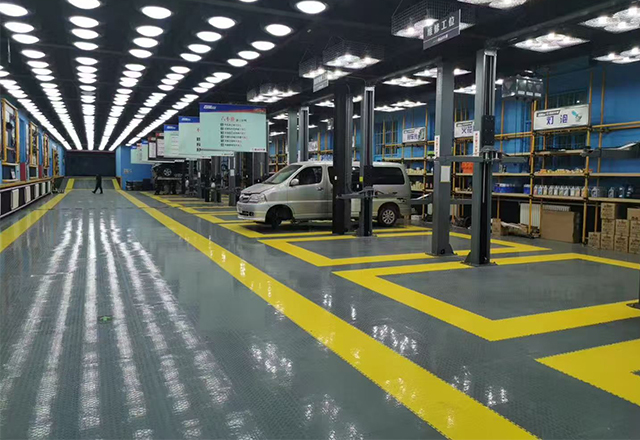
personal training studio flooring Where Innovation Meets 2025 From Concept to Delivery
Top Selling Products
- Related Blog
- Reviews
