
Pet Center Rubber Flooring - China Manufacturer for Reliable Solutions
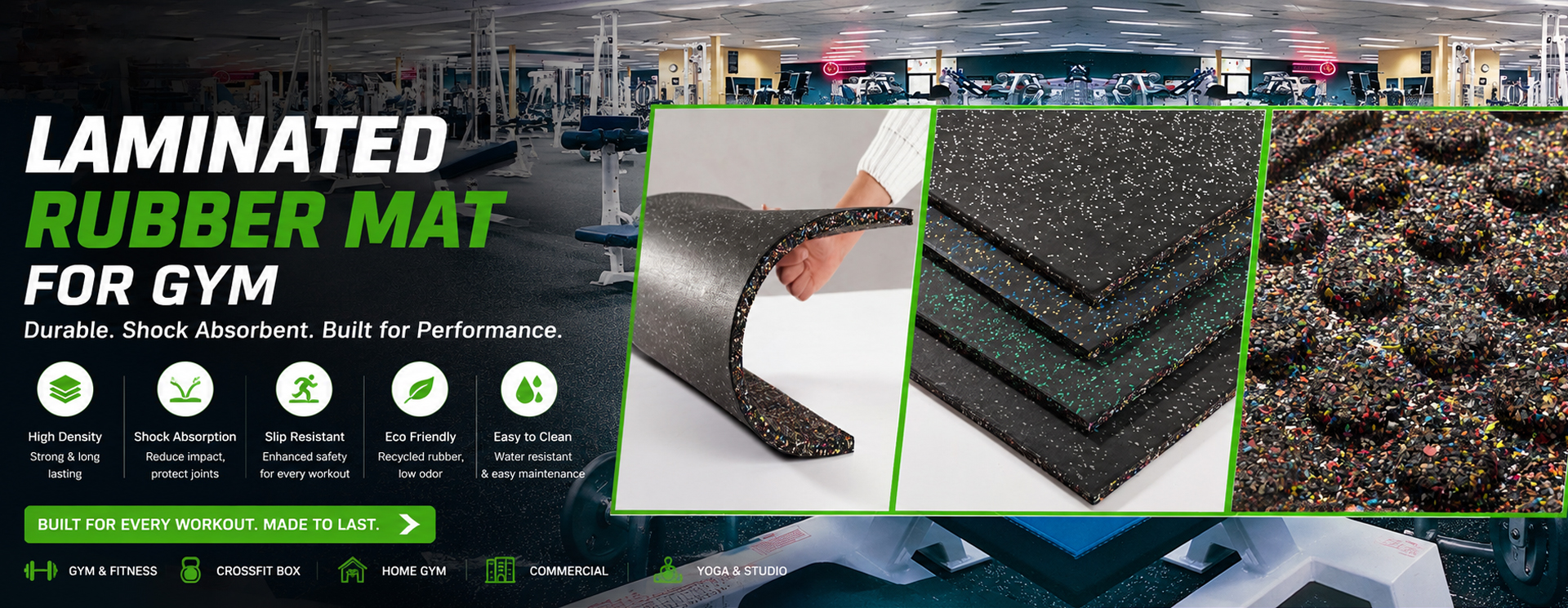
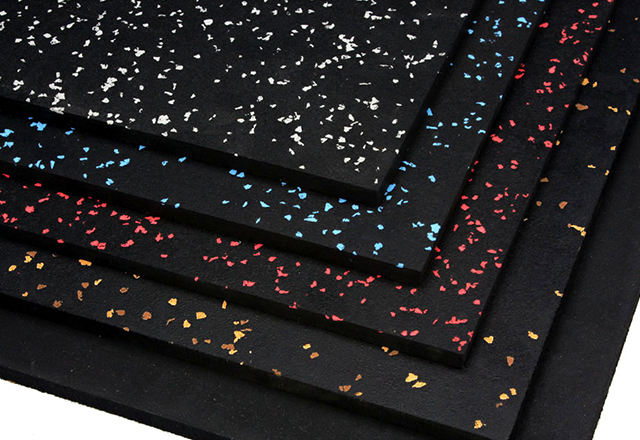
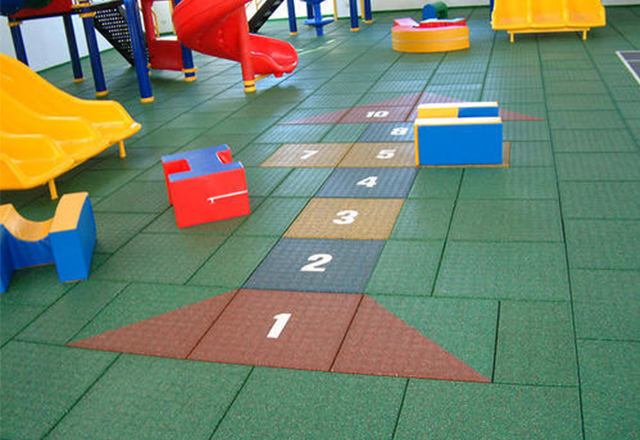
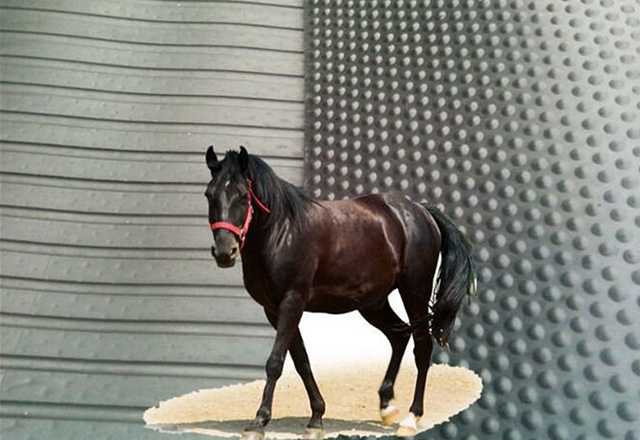
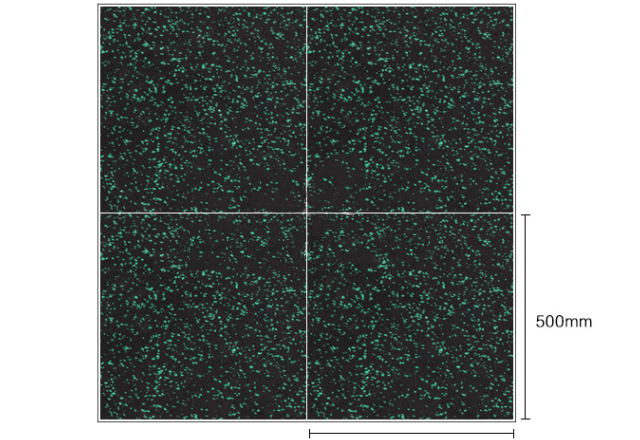
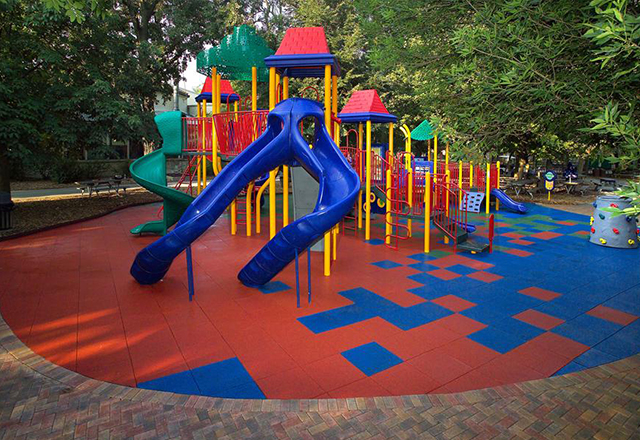
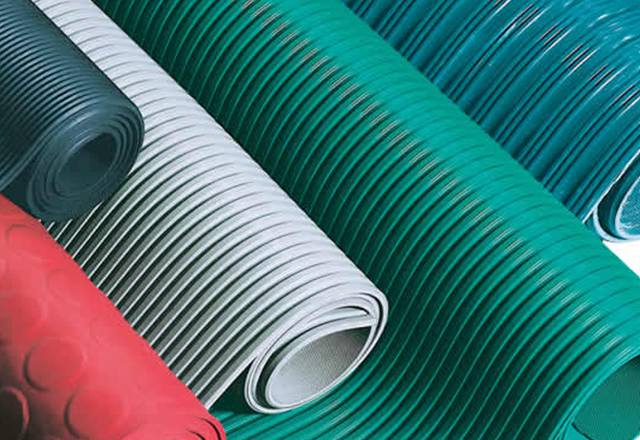
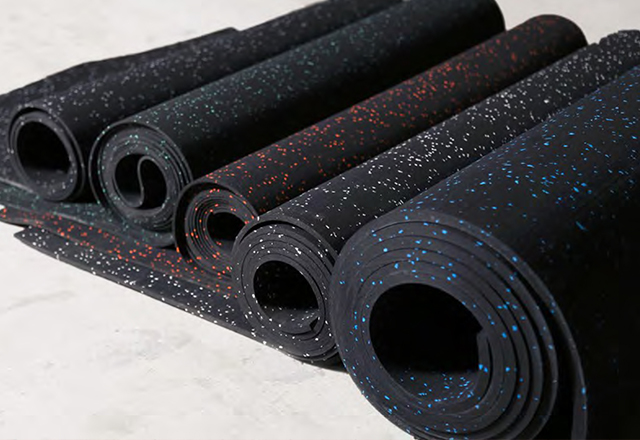
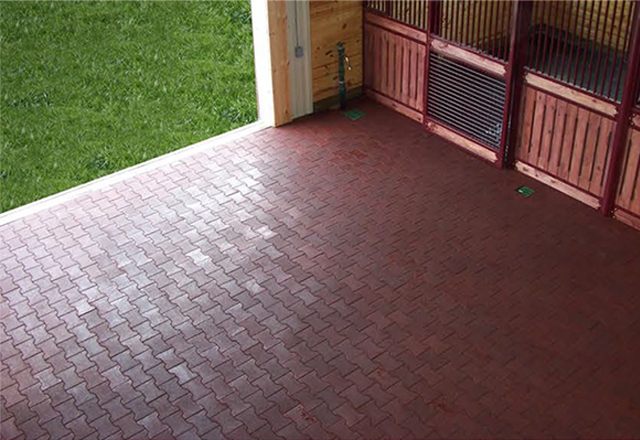
As a China-based Manufacturer, I deliver pet center rubber flooring engineered for heavy foot traffic, spilled liquids, and lively pets. This flooring for pet centers combines slip resistance, antimicrobial properties, and easy cleaning to keep kennels safe and sanitary. The interlocking or tile options let you customize thickness (2mm-6mm) and color to match your facility. Our pet center rubber flooring resists tearing, won’t warp under moisture, and provides cushioning to reduce strain on joints. It’s finished with a non-slip surface and seamless edges for fast installation and minimal maintenance. We offer bulk pricing, fast lead times, and compliance with international standards, ideal for distributors, clinics, grooming salons, and pet hotels in China and worldwide. If you’re a buyer seeking reliable, durable flooring from a proven Manufacturer, I’m ready to tailor the size, color, and coating to your project. Let’s discuss your bulk order today.
pet center rubber flooring Supplier Pioneers in the Field
As pet centers worldwide expand their services from grooming to boarding and daycare, selecting the right flooring is essential for safety, hygiene, and comfort. A rubber flooring solution designed for pet environments provides slip resistance, impact absorption, and antimicrobial properties that resist stains and odors. Leading suppliers deliver uniform, easy-to-clean tiles or rolls with tight seams, consistent thickness, and durable color finishes that endure heavy traffic and frequent cleaning. Global buyers seek certifications, predictable performance, and reliable supply chains to minimize downtime across multiple sites. Pioneering producers combine advanced rubber formulations with scalable production, flexible customization, and strong post-sales support to fit any layout, from small clinics to large campuses. They offer rapid sampling, clear lead times, and worldwide shipping, backed by rigorous QA testing and traceability. Emphasizing sustainability, such as low-VOC systems and recycled content, aligns with responsible facility management. With technical guidance on installation, maintenance, and lifecycle costs, buyers gain a durable, low-maintenance flooring solution that enhances pet welfare while keeping facilities safe, quiet, and welcoming.
| Attribute | Description | Typical Values | Notes |
|---|---|---|---|
| Product Type | Interlocking rubber tiles and rolled rubber flooring suitable for pet centers | Interlocking tiles; loose-lay sheets | Indoor use; color and texture variations available |
| Material Composition | Synthetic rubber blends with optional recycled content | EPDM/Natural rubber blend; recycled content partial | RoHS/REACH compliant where applicable |
| Typical Thickness (mm) | Common thickness options for comfort and durability | 3, 6, 8, 10 | Higher thickness improves cushion and sound absorption |
| Density (kg/m3) | Bulk density of the rubber compound | 1100–1250 | Depends on formulation and recycled content |
| Shore Hardness (Shore A) | A measure of surface resilience and comfort | 60–70 | Balanced for durability and comfort |
| Slip Resistance (PTV) | Pendulum Test Value indicating anti-slip performance | 36–50 | Higher PTV indicates better slip resistance on wet surfaces |
| Fire Rating | Flame spread characteristics for indoor use | ASTM E648 Class I | Class I rating corresponds to higher fire performance |
| UV / Color Stability | Color retention and exposure resistance | Stable indoors; limited outdoor exposure | Color options available; decorative blends |
| Abrasion / Wear Resistance | Resistance to surface wear under walking and moving equipment | 0.1–0.4 g/1000 cycles (Taber test) | Lower values indicate better wear resistance |
| Temperature Range | Operational climate range | -20°C to 60°C | Indoor climate-controlled spaces recommended |
| Recycled Content | Percentage of recycled materials used | 10–60% | Higher content may affect color consistency |
| Installation Type | Methods for fixing or laying the flooring | Glue-down; loose-lay interlocking | Interlocking systems facilitate replacement |
| Maintenance & Cleaning | Typical cleaning approach and cleaners to use | Neutral pH cleaners; routine mopping | Avoid harsh solvents and wax buildup |
| Warranty | Manufacturer-supported warranty period | 5–15 years | Depends on usage, maintenance, and installation |
Related Products
pet center rubber flooring Pioneers in the Field Guarantees Peak Performance
Top Selling Products
- Related Blog
- Reviews
