
PP Interlocking Tiles - China Manufacturer for Durable Floors
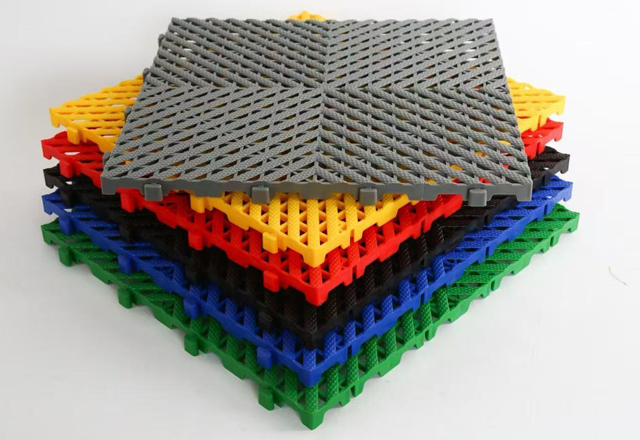
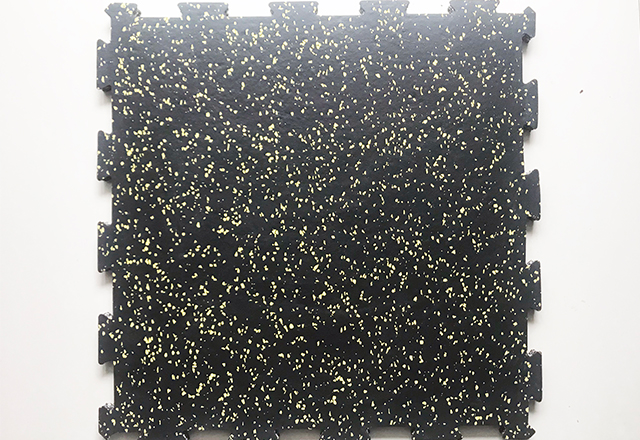
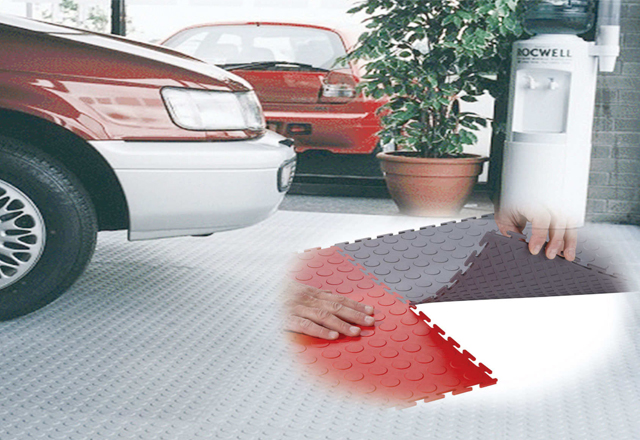
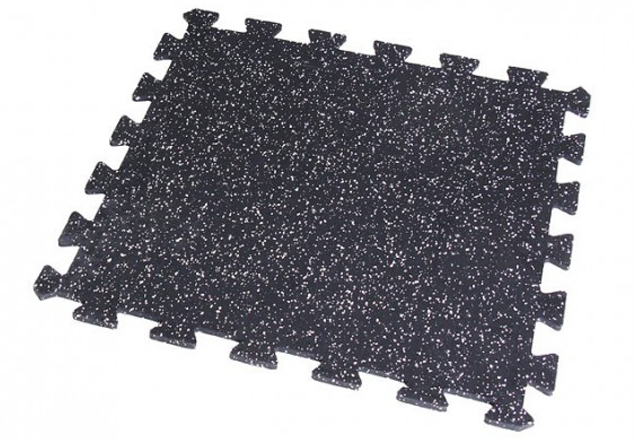
I’m a China-based manufacturer of PP interlocking tiles, and I’m here to help you source rugged flooring solutions for projects big and small. Our PP interlocking tiles is durable, weatherproof, UV-stable, and long lasting, even in busy outdoor areas. They snap together with a simple interlocking system, so installation is fast, clean, and scalable to large sites—no heavy tools, no messy grout. I offer a range of thicknesses and colors to match your design while keeping costs down. Recycled materials are used where possible, making them a green choice for contractors and facility managers seeking sustainability. From warehouses and playgrounds to commercial landscapes, our tiles stand up to foot traffic, spills, and sun. As a manufacturer, I can provide competitive pricing, flexible MOQ, and timely shipments to China, Europe, or beyond. Tell me your dimensions and budget, and we’ll tailor a solution that fits.
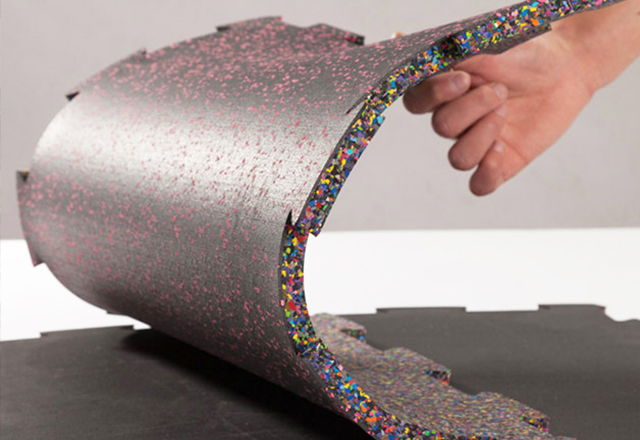
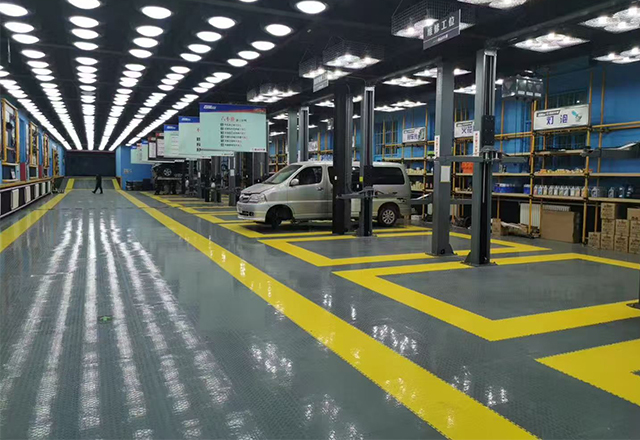
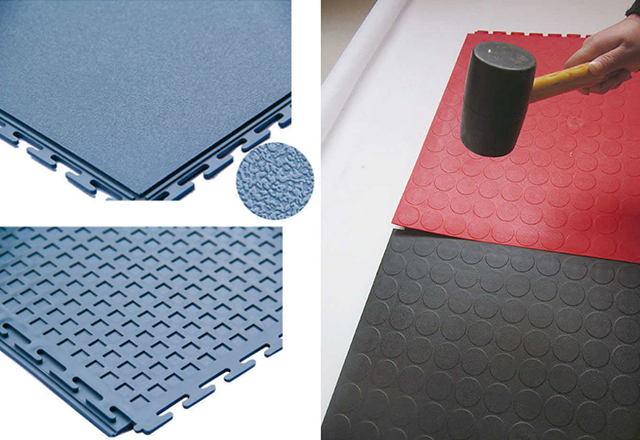
PP interlocking tiles Delivers Unmatched Quality Where Service Meets Innovation
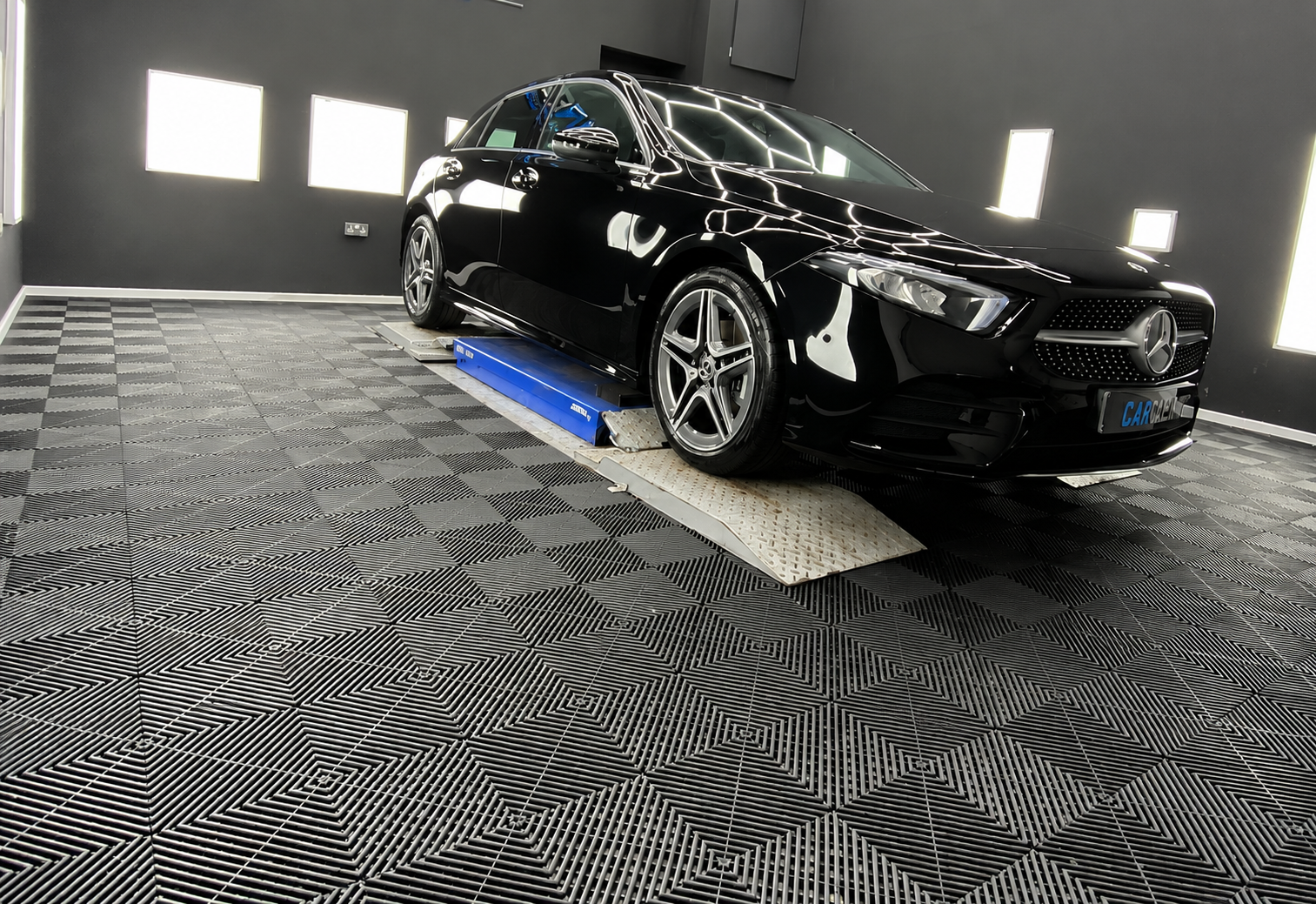
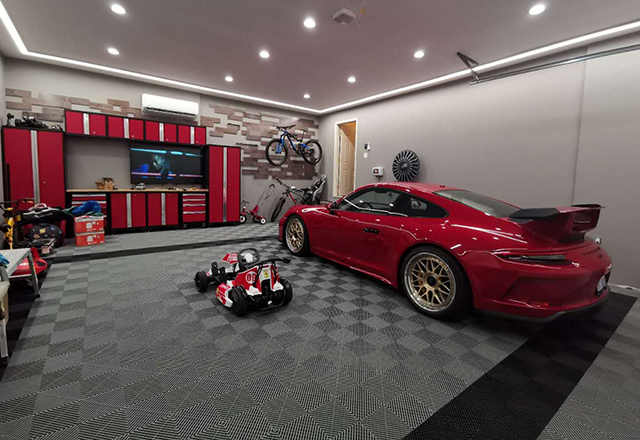
PP interlocking tiles deliver unmatched quality for global procurement by combining durable polymer formulation with precise molding. The interlocking design enables quick, tool-free installation and a seamless, maintenance-friendly floor that withstands heavy traffic, abrasions, UV exposure, and chemical spills. A service-driven model pairs this performance with practical support: customization of tile size and texture, rapid prototyping, guidance during installation, and reliable logistics across regions to keep rollouts on schedule. This is where service meets innovation. From factories and gyms to clinics and public spaces, these tiles adapt to diverse environments while meeting rigorous international standards for slip resistance and safety. They offer modular replaceability, easy cleaning, and long lifecycle cost savings, backed by steady supply and responsive after-sales service. For global buyers seeking innovation without compromising reliability, PP interlocking tiles provide a scalable, green, and cost-effective flooring solution that harmonizes design freedom with operational uptime.
PP interlocking tiles Delivers Unmatched Quality Where Service Meets Innovation
| Dimension / Metric | Specification | Notes |
|---|---|---|
| Tile Size (mm) | 300 × 300 × 12 | Standard modular tile for uniform coverage |
| Coverage per Tile (m²) | 0.09 | One tile covers 0.09 m² |
| Weight per Tile (kg) | 0.97 | Approximate weight based on PP density ~0.90 g/cm³ |
| Material | Polypropylene (PP) | |
| Color Options | 8 | Assorted colors for design flexibility |
| Interlock System | 2-edge locking joints | Tongue-and-groove style for stable modular fit |
| Compressive Strength (MPa) | 28 | Indicative load-bearing capacity per tile |
| Flexural Modulus (MPa) | 1,200 | Resistance to bending under load |
| Tensile Strength (MPa) | 30 | Material tensile properties |
| Density (kg/m³) | 900 | Typical PP density |
| Slip Resistance (DCOF) | 0.55 | High slip resistance when wet |
| UV Stability | Colorfastness >95% after 2000 h UV | Outdoor durability of color |
| Temperature Range (°C) | -40 to 70 | Operational ambient range |
| Fire Performance | UL 94 V-2 | Self-extinguishing and flame-retardant characteristics |
| Installation Rate (m²/hour/worker) | 8–12 | Typical productivity |
| Tiles per Pallet | 60 | Standard pallet loading |
| Pallet Coverage (m²) | 5.4 | 60 tiles × 0.09 m² |
| Warranty | 15 years | Residential and commercial use |
| Certifications | ISO 9001, ISO 14001 | Quality and environmental management |
| End-of-Life | 100% recyclable | PP-based recycling programs supported |
| Recycled Content | 25% | Pre-consumer/post-consumer input |
| Cleaning & Maintenance | Easy to clean with mild detergent | Retains slip resistance after cleaning |
| Color & Finish Durability | Matte or textured finish options | Consistent appearance over time |
Related Products
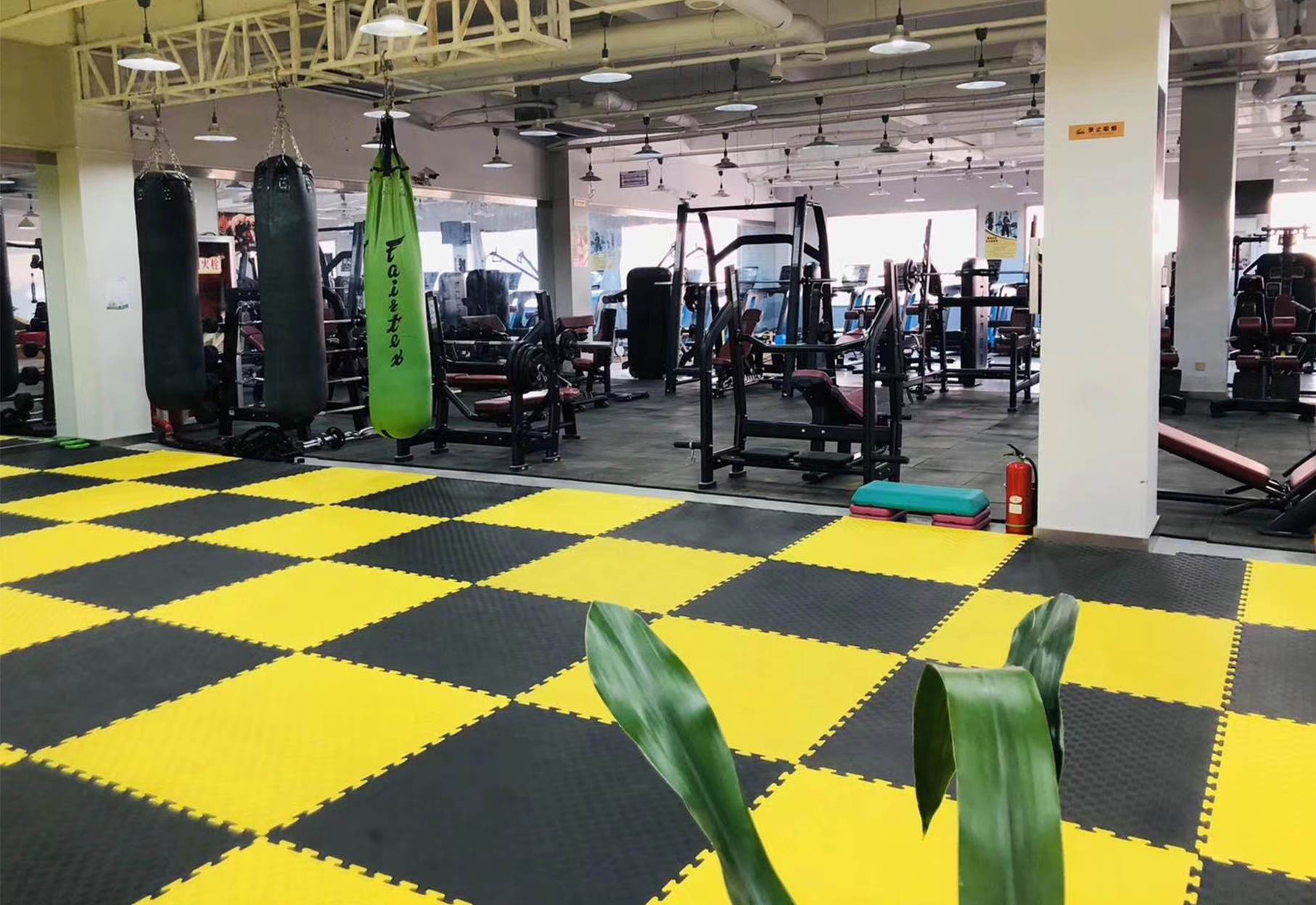
PP interlocking tiles Your Trusted OEM Partner Where Service Meets Innovation
Top Selling Products
- Related Blog
- Reviews
