
PVC flooring for automotive workshop - China Manufacturer
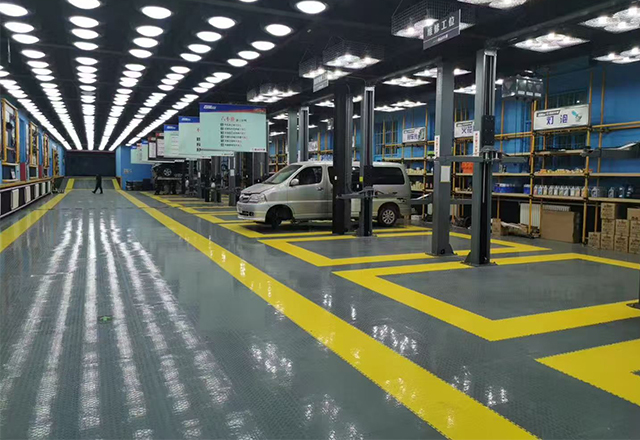
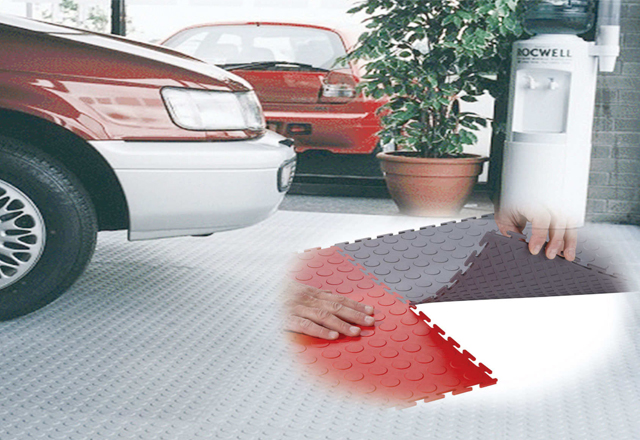
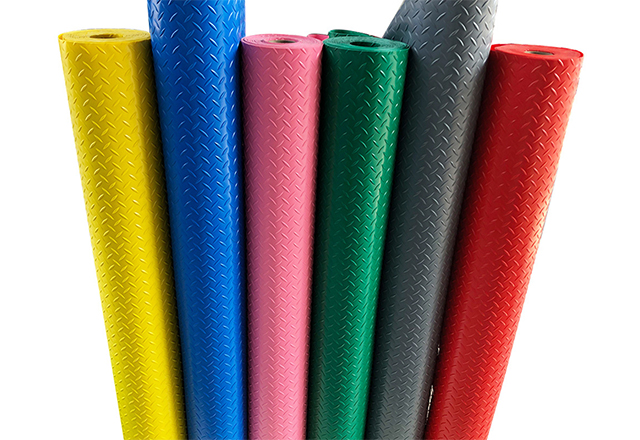
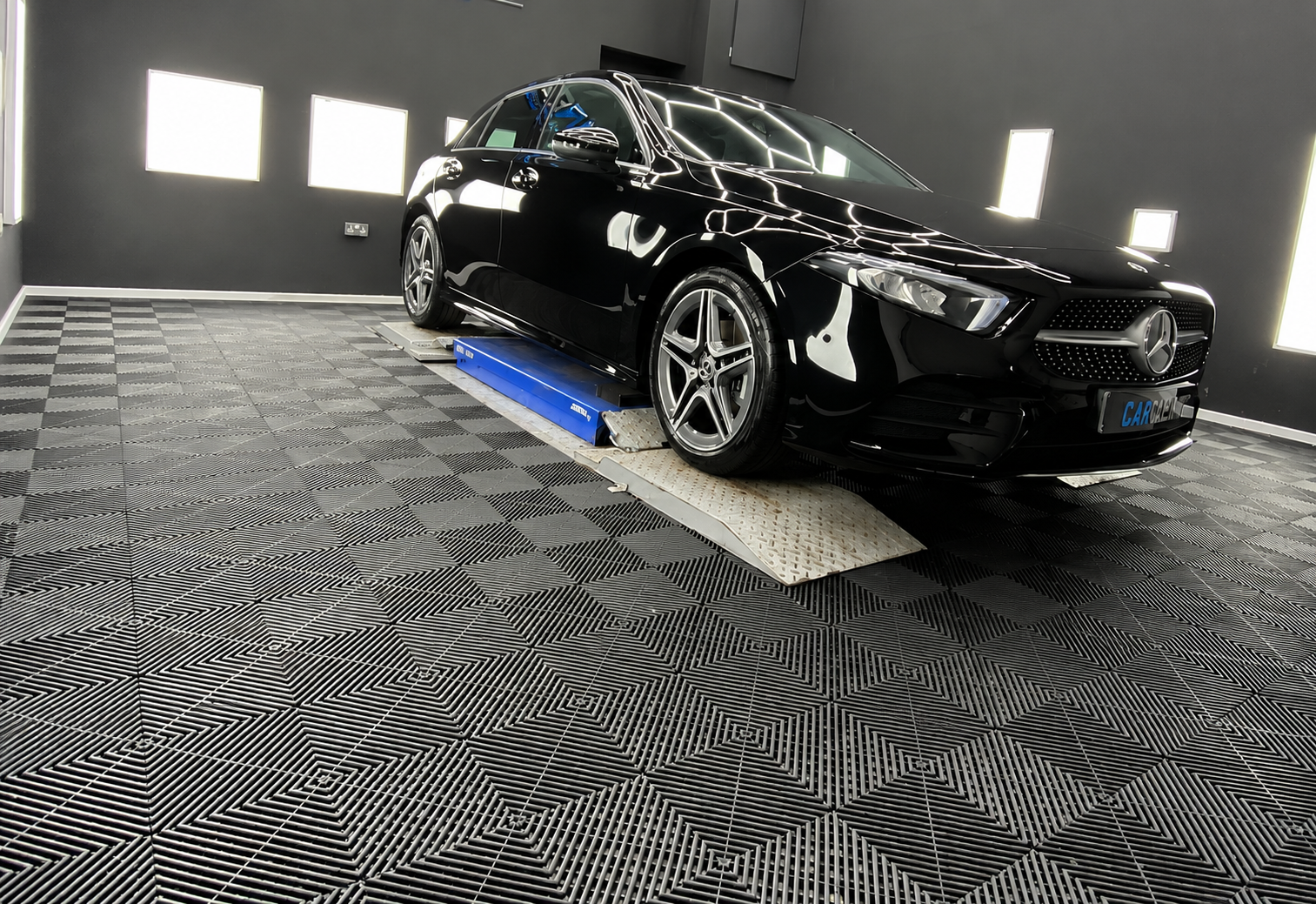
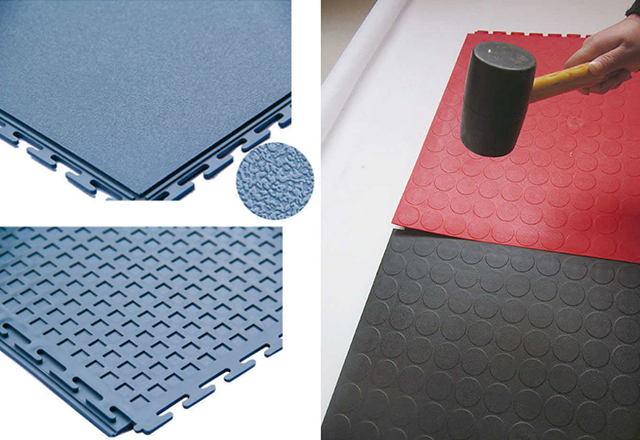
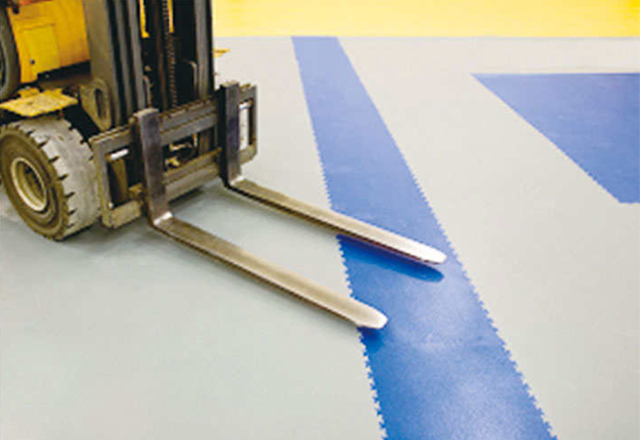
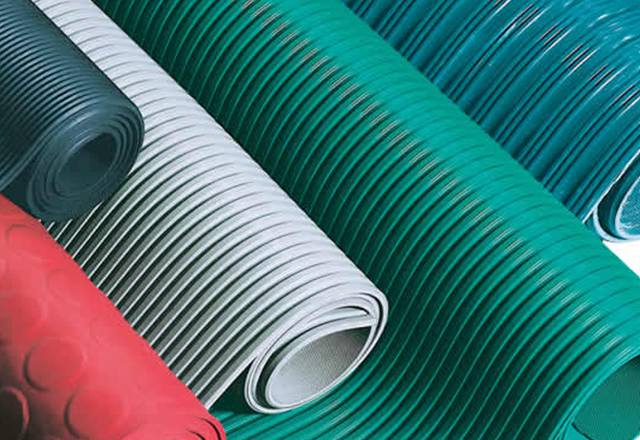
I am a China-based Manufacturer specializing in high-performance PVC flooring for automotive workshop applications. Our flooring is designed to withstand heavy mechanical traffic, oil and chemical spills, and daily wash downs. We offer a non-slip surface, seamless installation, and easy maintenance, helping you reduce downtime and extend floor life. With a UV-stable top layer and resistant to abrasion, our PVC flooring for automotive workshop stays vibrant and resilient in busy service bays. We provide a range of thicknesses and patterns to meet your workshop layout, from modular interlocks to sheet formats. Our products meet industry standards and can be shipped domestically in China and exported worldwide. We work closely with B2B buyers to tailor color, thickness, and packaging to fit your budget and project timeline. If you need durable, cost-effective floorings that stand up to heavy tools and solvents, I’m here to help you select the right solution.
PVC flooring for automotive workshop Ahead of the Curve Service Backed by Expertise
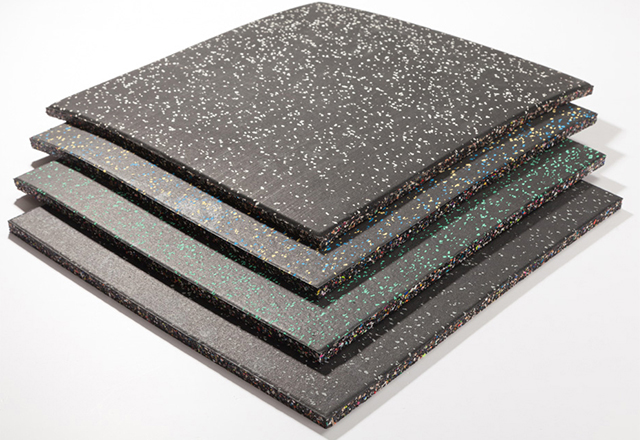
High-performance PVC flooring engineered for automotive workshops delivers the durability, chemical and oil resistance, slip control and easy cleanability that busy bays demand. Designed to withstand heavy vehicle traffic, dropped tools and frequent washdowns, these systems offer anti-fatigue comfort for technicians, optional static-dissipative properties for electronics-safe zones, and modular or sheet options for rapid installation and minimal downtime. Backed by decades of industry expertise, our approach pairs product testing to global standards with tailored specifications, fast sampling, flexible production runs and coordinated logistics for international purchasers. From site assessment and installation guidance to warranty-backed aftercare and replacement planning, we provide end-to-end service to keep your workshop safe, efficient and ahead of the curve.
| Product Type | Base Material | Thickness (mm) | Surface Finish | Wear Layer (µm) | Wet COF | Chemical Resistance (1-5) |
Max Service Temp (°C) | Elastic Recovery (%) | Installation Method | Typical Lifespan (yrs) | Maint. /month | Suitable Areas |
|---|---|---|---|---|---|---|---|---|---|---|---|---|
| Heterogeneous PVC composite | Multi-layer PVC with fiberglass backing | 3.0 | Urethane-coated smooth finish | 700 | 0.60 | 4 | 80 | 95 | Full-spread adhesive + welded seams | 12 | 4 | Service bays, general workshop floors |
| Homogeneous PVC sheet | Through-colour homogeneous PVC | 2.0 | Smooth, uniform wear surface | None (homogeneous) | 0.55 | 5 | 70 | 98 | Full-spread adhesive | 15 | 3 | High-traffic aisles, inspection corridors |
| Anti-static / ESD PVC | PVC with conductive additives | 2.5 | Dissipative polyurethane finish | 500 | 0.60 | 4 | 60 | 90 | Adhesive + welded seams | 10 | 4 | Diagnostic bays, electronics workstations |
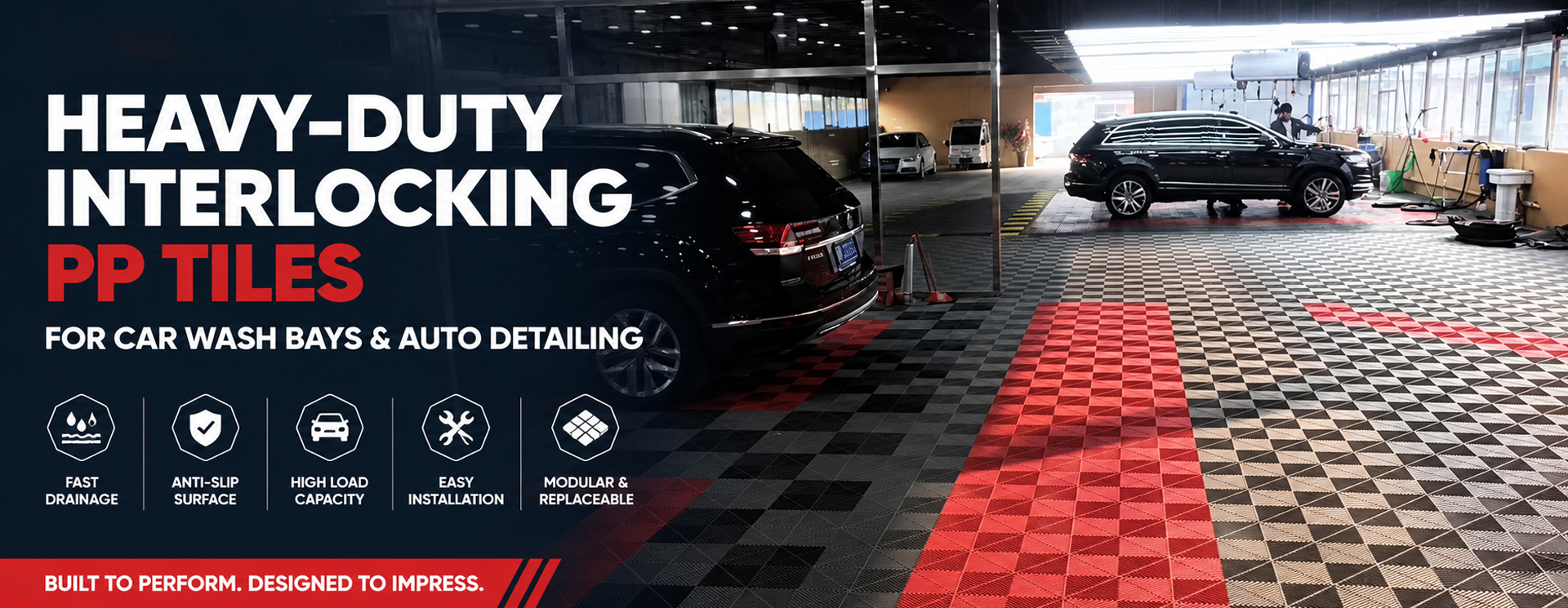
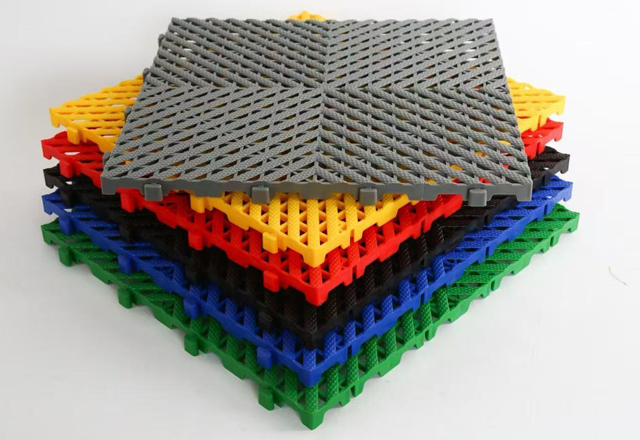
| Interlocking PVC tiles | Rigid PVC tile with click system | 4.0 | Textured slip-resistant | 800 | 0.65 | 3 | 60 | 85 | Interlocking (loose-lay) — optional edge weld | 8 | 6 | Heavy-equipment bays, ramps, pop-up work areas |
| Heavy-duty embossed sheet | PVC with mineral filler for abrasion resistance | 5.0 | Stud/embossed anti-slip | 1000 | 0.70 | 5 | 80 | 88 | Adhesive + welded borders | 18 | 3 | Wash bays, spill-prone heavy duty zones |
| Chemical-resistant PVC composite | Formulated PVC (enhanced chemical resistance) | 3.5 | Chemically inert smooth finish | 700 | 0.58 | 5 | 90 | 86 | Full-spread adhesive; welded seams recommended | 12 | 2 | Parts-cleaning areas, solvent exposure zones |
| Acoustic cushioned PVC | PVC upper layer with closed-cell backing | 6.0 | Matte, cushioned surface | 600 | 0.60 | 3 | 60 | 92 | Loose-lay or pressure-sensitive adhesive | 10 | 4 | Offices, inspection pits, comfort walkways |
| Environmental notes: All listed products are common commercial formulations of PVC flooring used in industrial and automotive environments. Typical environmental attributes shown (e.g., Low VOC, recycled content) are representative possibilities for these product types and should be verified for each specific formulation prior to specification. | ||||||||||||
Related Products
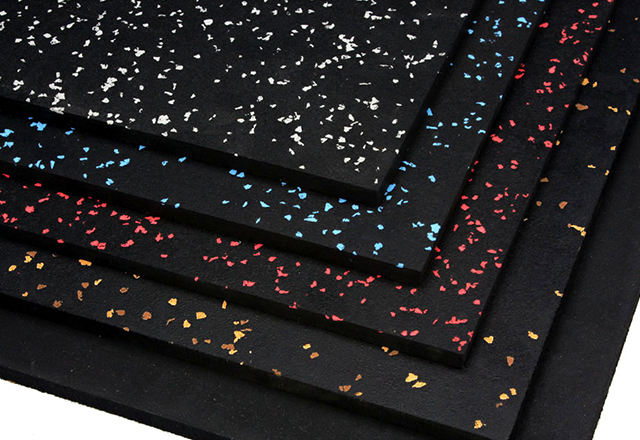
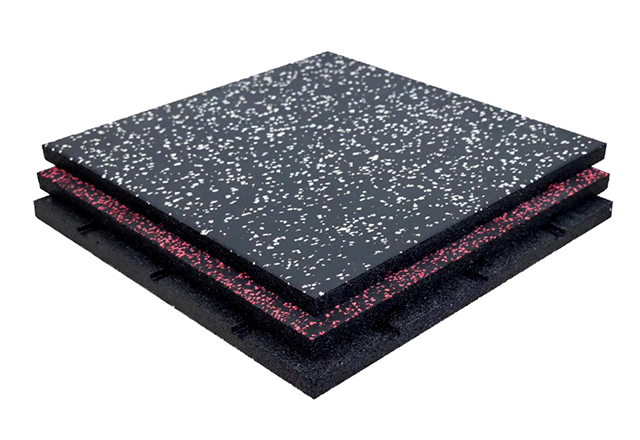
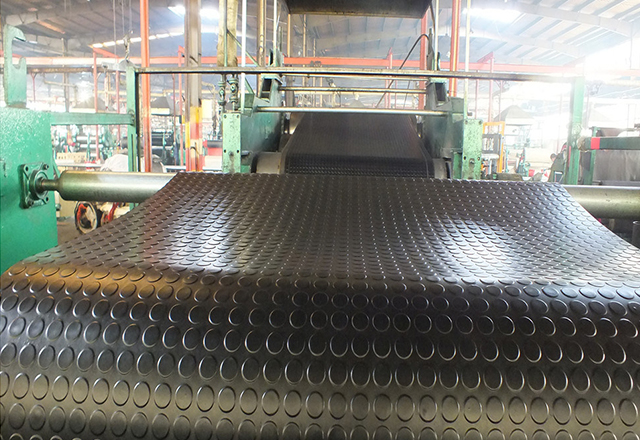
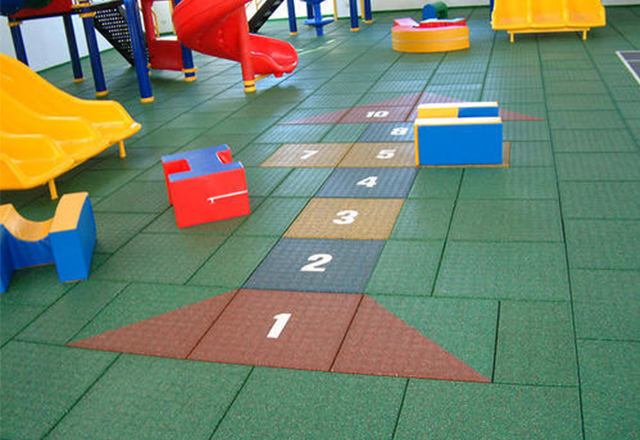
PVC flooring for automotive workshop Dominates Custom Solutions,
Top Selling Products
- Related Blog
- Reviews
