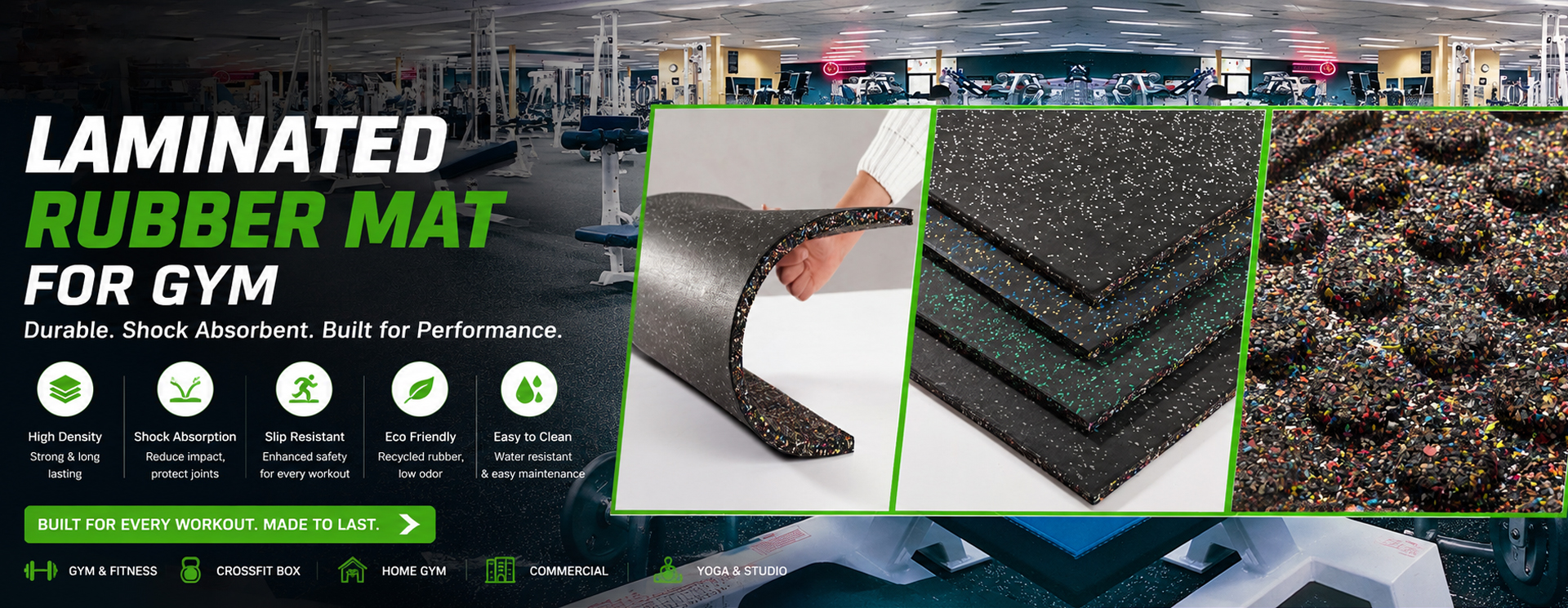
banner 1

PVC Garage Floor Tiles - China Manufacturer

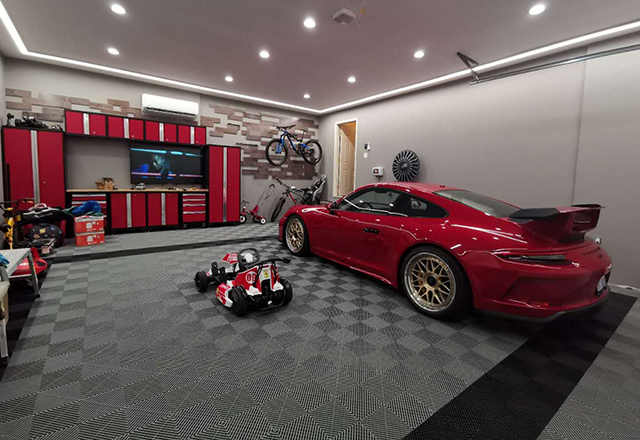
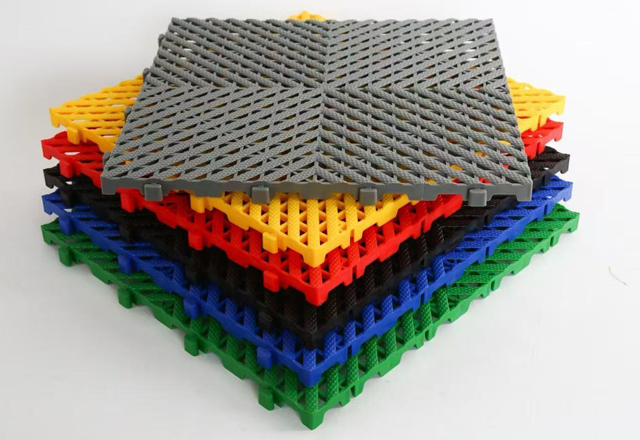
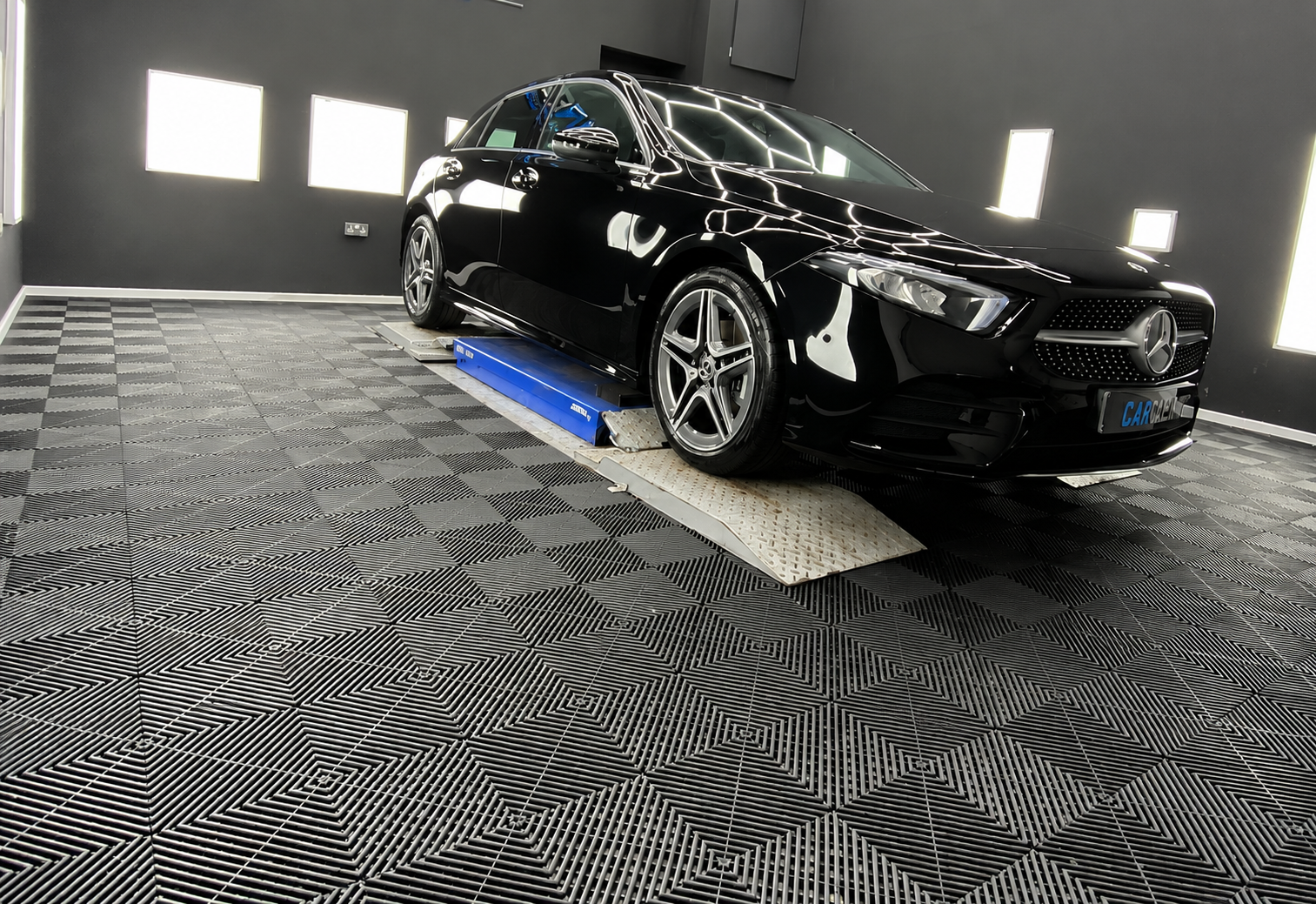
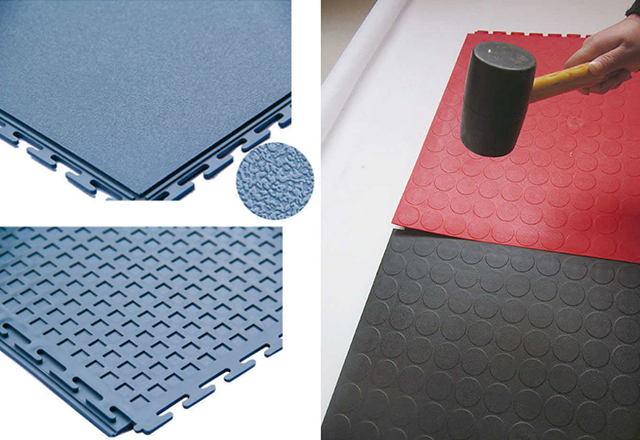
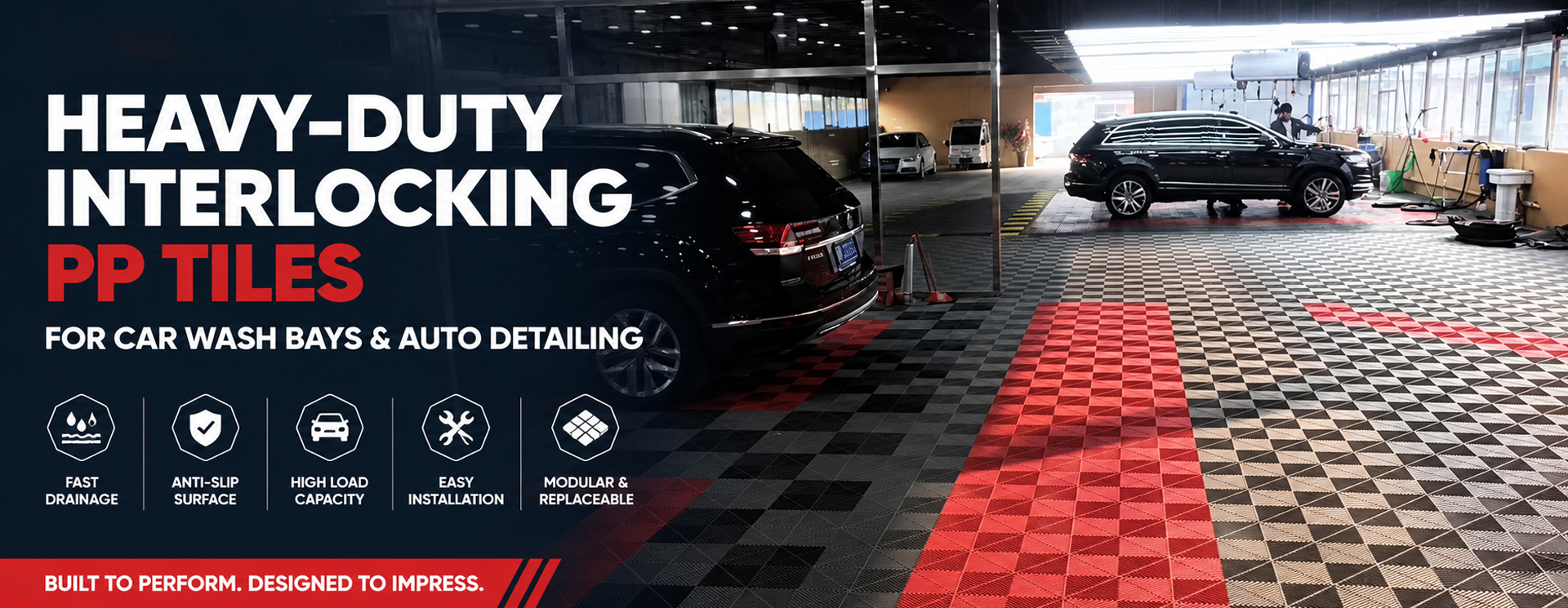
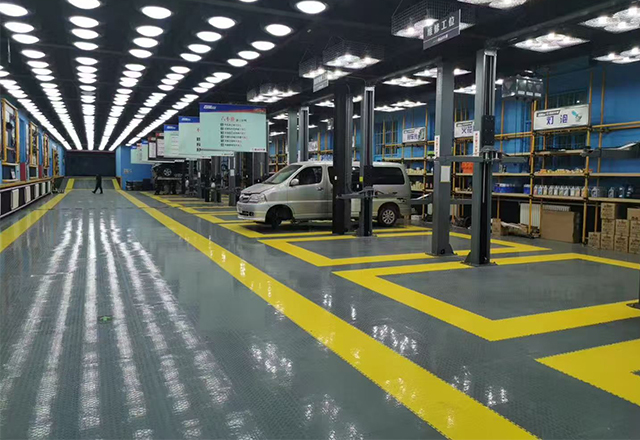
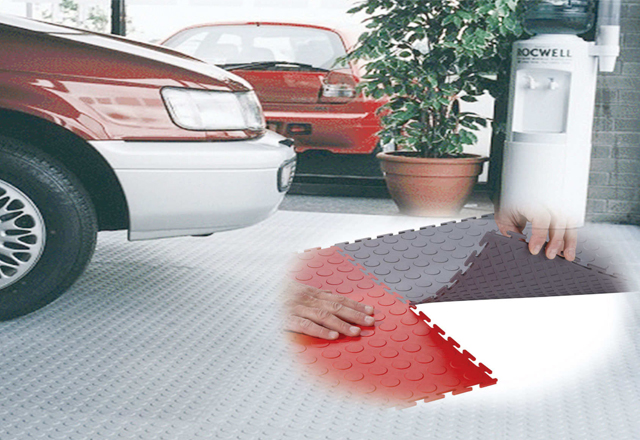
From China, I’m a PVC Garage Floor Tiles manufacturer who understands what B2B buyers need. Our PVC Garage Floor Tiles are durable, chemical resistant, and easy to install, ideal for workshops, carports, and industrial spaces. I pay attention to anti-slip texture, load bearing, and quick maintenance, because on a busy garage every minute counts. We produce in state-of-the-art facilities, ensuring consistent thickness and color, with tight tolerances for a snug fit. I offer modular tiles with interlocking edges that snap together without special tools, saving you labor costs. Certifications? Yes, we meet RoHS, REACH, and fire safety standards to reassure your QA team. With competitive China pricing and flexible MOQ, I can tailor thicknesses, colors, and surface patterns to match your projects. Partner with me for steady supply, responsive service, and a product that ships quickly to you. Let me know your target shipment size and we’ll align production.
Hot Selling Product

PVC Garage Floor Tiles Stands Out Factory-Direct Excellence

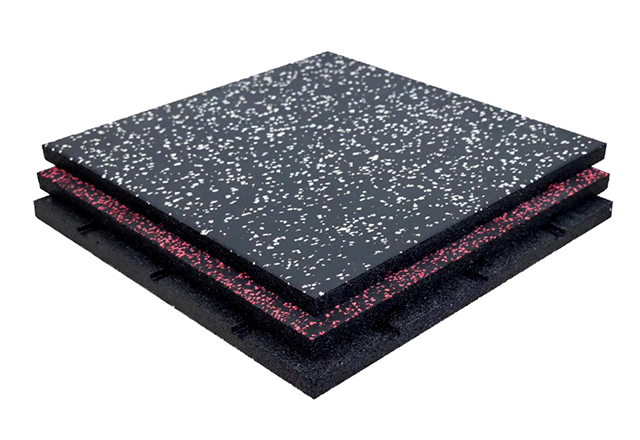
Premium PVC garage floor tiles combine a durable, chemical- and abrasion-resistant PVC formulation with a precision interlocking design for fast installation, slip resistance, oil and UV resistance, and easy maintenance. Ideal for residential garages, workshops and commercial spaces, these tiles deliver long service life, modular aesthetics and excellent load-bearing performance for vehicles and equipment. Sourcing factory-direct delivers clear advantages for global buyers: competitive pricing, flexible customization (colors, thickness, locking systems), strict quality control and faster lead times. Buyers gain transparent production oversight, OEM/ODM options, sample programs and reliable packaging and logistics. For procurement teams focused on lifecycle cost, performance and supply stability, factory-direct PVC tiles offer a pragmatic, scalable flooring solution.

{ PVC Garage Floor Tiles Stands Out Factory-Direct Excellence}
Attribute Specification Test Standard / Notes
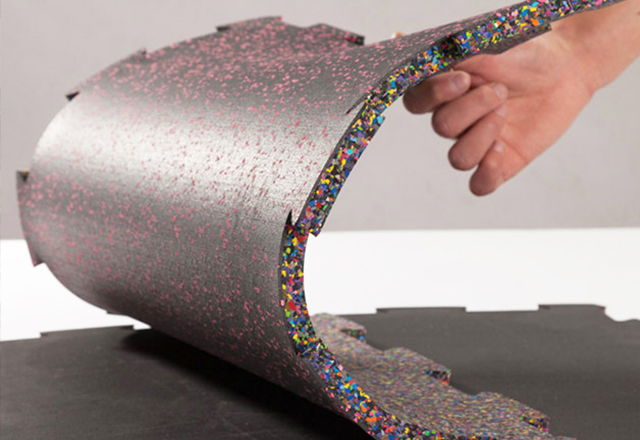
Product type Interlocking PVC garage floor tile (floating system) Modular tiles for fast on-site installation; no adhesives required
Material composition Flexible polyvinyl chloride (PVC) with stabilizers and UV inhibitors Formulation optimized for wear, chemical resistance and dimensional stability
Typical tile sizes 305 × 305 mm (12 × 12 in) standard; also available 305 × 457 mm and 457 × 457 mm Modular sizes for versatile layout and quick coverage
Thickness options 6 mm, 8 mm, 10 mm (typical production ranges) Thickness selection based on load and comfort requirements
Approx. weight (305×305×8 mm) ~0.95–1.05 kg per tile (8 mm example) Calculated from material density ~1.3–1.45 g/cm³
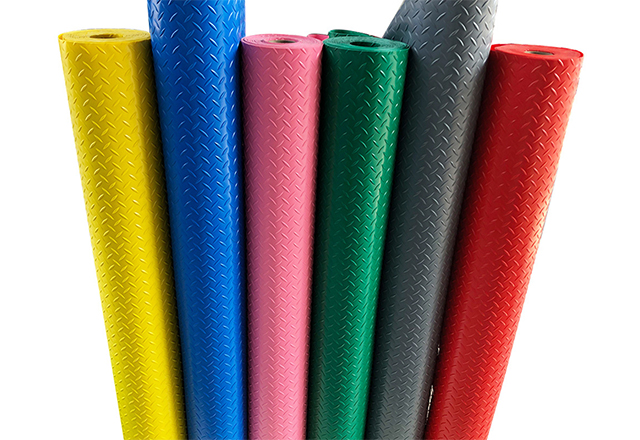
Surface finish Textured (diamond/coin tread) with anti-slip surface Slip resistance typically meets R10 range for tiled surfaces
Static floor load capacity >5,000 kg/m² (dependent on subfloor and tile thickness) Measured as distributed static loading; verify for heavy industrial use
Rolling/point load resistance Typically up to 1,000–1,500 kg per wheel (8–10 mm tiles, supported subfloor) Performance varies with tile thickness and substrate; recommended for typical vehicle use
Impact resistance Good impact absorption; resists chipping under localized drops Typical industry drop tests indicate durable performance for garage use
Water absorption <0.1% (negligible) PVC is effectively impermeable; suitable for damp/high-moisture environments
Chemical resistance Resistant to automotive oils, antifreeze (ethylene glycol), mild acids and alkalis Avoid prolonged exposure to strong solvents (ketones, chlorinated solvents)
Thermal conductivity ~0.17 W/m·K (typical PVC range) Compatible with underfloor heating systems when proper substrate is used
Operating temperature -20 °C to +60 °C (-4 °F to +140 °F) Ensure appropriate expansion gaps for large temperature fluctuations
Fire performance Self-extinguishing formulation; meets common flammability classifications for PVC flooring Refer to local codes for specific building/fire rating requirements
UV resistance / color stability UV-stabilized options for limited sun exposure; colorfast for covered/indoor garages Prolonged direct sunlight may cause gradual color fade; use UV-rated variants outdoors
Installation method Interlocking (snap-fit) floating installation; can overlay clean, level concrete Minimal tools required; quick DIY or professional installation options
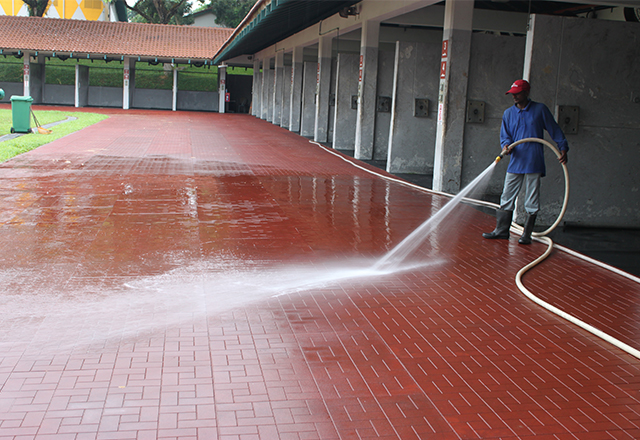
Maintenance Sweep, vacuum, or mop with neutral detergent; remove stains promptly Avoid abrasive scrubbers and strong solvent cleaners
Life expectancy 10–20 years under normal residential garage use Depends on traffic, maintenance and environmental conditions
Recyclability Recyclable PVC; some post-industrial recycling streams available Check local recycling capabilities for PVC products
Certifications / Compliance Commonly produced to meet ISO quality systems; material compliance with REACH/RoHS where applicable Specific certificates vary by production batch and region
Typical applications Residential garages, home workshops, light-commercial showrooms, maintenance bays Ideal for spaces requiring durable, easily maintained flooring
Color options Charcoal, medium grey, light grey, black; custom color blends available Texture and color selection affect aesthetic and slip performance
Notes: Specifications shown are typical industry values and should be verified for specific project requirements. Actual performance can vary with tile thickness, subfloor, installation method and environmental conditions.

Related Products

banner 3

PVC Garage Floor Tiles Dominates Factory-Direct Excellence

Adoption and Quality Metrics for PVC Garage Floor Tiles by Use Case

This chart visualizes two key dimensions for PVC garage floor tile adoption across five primary use-case segments: Residential, Commercial, Industrial, DIY, and Workshops. The primary metric (green bars) shows estimated annual installed area in square meters per segment, derived from representative manufacturing output and market demand trends. The secondary metric (orange bars) indicates the average defect rate percentage observed during factory-direct production runs, plotted on a secondary axis for clarity. Presenting both metrics together highlights the inverse relationship frequently observed between scale and defect rate: larger installed areas often accompany more mature production processes and lower defect percentages due to standardized workflows and tighter quality control, while smaller or fragmented segments can show higher defect variance. In this synthetic dataset, the Commercial segment leads in installed area, reflecting widespread use in retail and parking applications, and maintains a low defect rate, suggesting efficient factory-direct channels. The Industrial segment follows with substantial installed area but slightly higher defects, likely caused by heavier-duty requirements and more complex specifications. Residential and Workshops segments show moderate installed areas with defect rates that indicate variability driven by installation conditions and customization. The DIY segment has the smallest installed area and the highest defect rate, consistent with non-professional installation and smaller batch production. Interpreting these dimensions helps manufacturers, distributors, and purchasers prioritize investments: expanding factory-direct capacity or providing installation training for segments with elevated defect rates can reduce waste and warranty costs. Additionally, the chart can guide R&D focus on material formulations or locking mechanisms to improve robustness in high-defect contexts. While the numbers here are illustrative, the visualization method supports real-world decision-making by correlating scale with quality outcomes and identifying segments where targeted improvements yield the largest returns. Stakeholders should track these metrics quarterly to measure progress and validate continuous improvement initiatives and customer satisfaction.

Top Selling Products