
PVC Industrial Floor Tiles - China Manufacturer for Industrial Floors
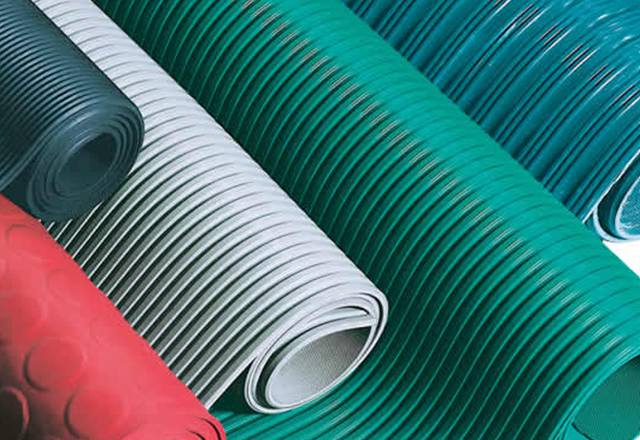
We are a China-based Manufacturer offering PVC industrial floor tiles built for heavy-duty environments. I focus on durability, chemical resistance, and slip-safe surfaces, so warehouses, factories, and workshops stay safer and cleaner. My tiles install quickly, with modular patterns and non-porous profiles that resist stains and moisture. You’ll appreciate stable pricing, consistent quality, and short lead times for bulk orders—critical for B2B projects. Options include different thicknesses, color runs, and anti-microbial or vinyl wear layers to suit food processing, automotive, or logistics settings. I can provide technical datasheets, test reports, and on-site support to speed decisions. Based in China, I ship domestically or internationally, coordinating packaging and logistics to your schedule. If you’re seeking a reliable tile solution from a trusted Manufacturer, I’m ready to discuss specs, certifications, and volume discounts to fit your project timeline and budget.
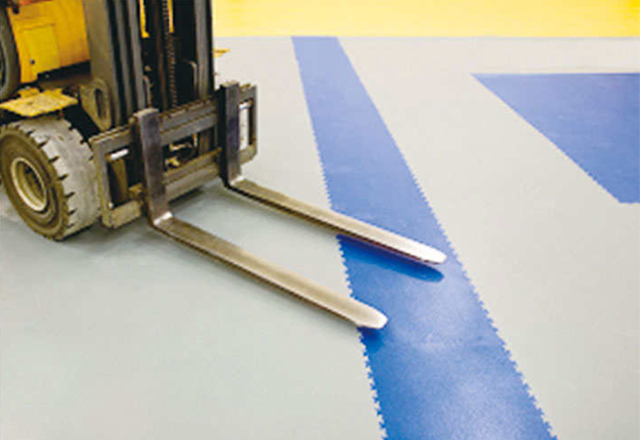
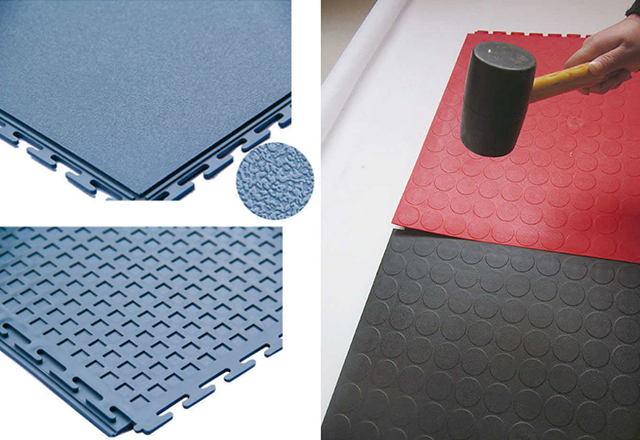
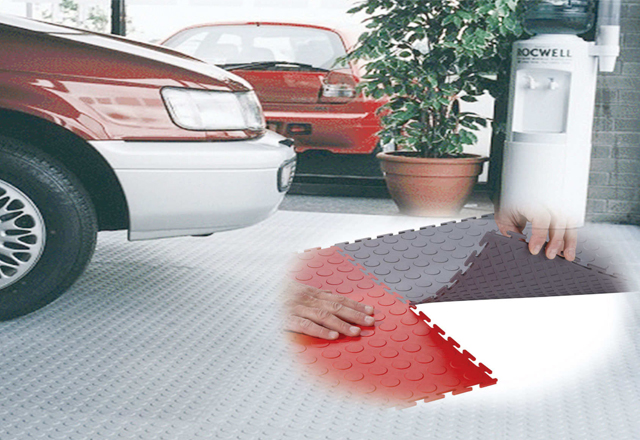
PVC industrial floor tiles Pioneers in the Field Global Reach
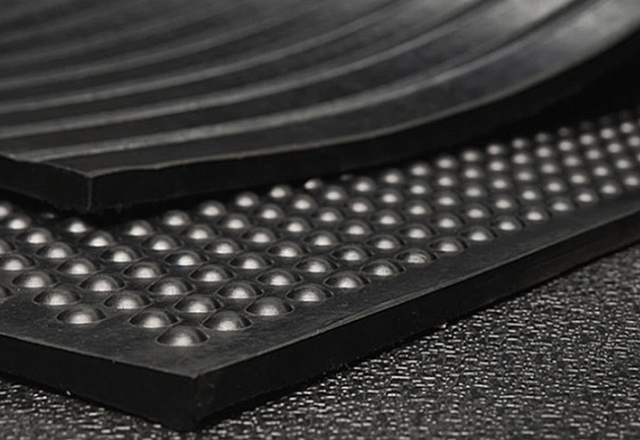
As a trusted choice for warehouses, manufacturing lines, and distribution hubs, PVC industrial floor tiles deliver durability, slip resistance, and chemical tolerance that stand up to high-traffic environments. Their dense cores resist heavy loads and abrasion, while textured surfaces provide safe footing. The modular design supports quick installation, straightforward maintenance, and easy replacement. With a global supply and standardized quality controls, projects across climates and industries can rely on consistent performance. Global buyers seek scalable, cost-efficient flooring that reduces downtime. PVC tiles offer long service life, simple cleaning, and low maintenance, lowering total cost of ownership. Options for anti-static, hygienic, or chemical-resistant variants suit electronics, food and pharma, and processing facilities. Compliance with international standards and traceable batches builds confidence, while flexible sizes, colors, and finishes meet regional aesthetics. A reliable logistics network ensures on-time delivery to projects worldwide.
| Region | Typical Applications | Common Tile Composition | Typical Thickness (mm) | Wear Layer / Surface Treatment | Installation Methods | Typical Service Life (years) | Environmental Standards / Notes | Thermal Conductivity (W/m·K) | Typical Recycling Rate (%) | Fire Classification (EN 13501-1) | Slip Resistance (DIN/EN) |
|---|---|---|---|---|---|---|---|---|---|---|---|
| Europe | Warehousing, light manufacturing, logistics hubs, food processing areas | PVC resin + CaCO3 fillers, Ca/Zn stabilizers, non-phthalate plasticizers, textile/fiberglass backing | 3–8 | 0.7–1.5 mm PVC or polyurethane wear layer; abrasion- and chemical-resistant coatings | Adhesive-bonded, heat-welded seams, interlocking systems | 12–20 | Commonly REACH-compliant; EN 14041 applicability; EPDs available for many formulations | 0.17 | 70 | Bfl‑s1 (typical for modern formulations) | R9–R10 |
| North America | Distribution centers, cold storage, commercial kitchens, light assembly | PVC with CaCO3 fillers, fiberglass or felt backing, phthalate-free plasticizer options | 3–6 | 0.8–1.5 mm wear layers; polyurethane coatings used for chemical and scuff resistance | Adhesive, interlocking, heat-welded seams; occasional loose-lay in low-load zones | 10–18 | Increasing compliance with low‑VOC emissions (e.g., CA Section 01350) and indoor-air quality programs | 0.18 | 65 | Bfl‑s1 common in imported/regulated products | R10 |
| Asia‑Pacific | Manufacturing plants, electronics assembly, transport hubs, retail | PVC resin + fillers (CaCO3), stabilizers, textile or nonwoven backing; rising phthalate-free mixes | 2.5–8 | 0.6–1.2 mm wear layers; PU surface treatments increasingly applied | Interlocking, adhesive, loose-lay; welded seams in sanitary areas | 8–15 | Regional VOC and chemical restrictions increasing adoption of low-VOC products | 0.16 | 60 | Bfl‑s1 where regulated; variability by market | R9–R11 |
| Latin America | Retail floors, light industry, educational facilities, multi-use halls | PVC with higher filler ratios (cost/weight-optimized), standard stabilizers and backings | 2–6 | 0.6–1.0 mm wear layers; anti-slip embossing common | Adhesive, interlocking; welded seams in wet-service areas | 7–12 | Standards vary by country; growing uptake of recyclable and low-VOC variants | 0.20 | 50–70 | Often Bfl‑s1 for imported/regulated ranges; local variance exists | R9 |
| Middle East & Africa | Warehousing, airports, industrial plants, logistics in arid climates | PVC with UV-stable additives, CaCO3 fillers, heat-resistant stabilizers for hot climates | 3–9 | 0.8–1.5 mm wear layers with UV/heat stabilizers; oil- and chemical-resistant coatings | Adhesive-bonded, welded seams; mechanical fixing in heavy-duty zones | 10–15 | Regulatory frameworks differ; many projects specify imported standards for quality assurance | 0.22 | 40–60 | Bfl‑s1 for many specified/imported products | R10–R11 |
| Global Specialty (Marine / Heavy Industry) | Ship interiors/decks, offshore platforms, heavy industrial zones, oil & gas facilities | PVC compounded with additional fillers, antistatic agents, oil-resistant and reinforced top layers | 6–12 | 1.0–3.0 mm reinforced wear layers; specialized coatings for oil/chemical exposure | Adhesive with welded seams; mechanical fixing or bespoke solutions for offshore | 12–25 | Adapted to maritime and industrial fire/smoke standards (e.g., IMO FTP where required) | 0.19 | 45–75 | Meets maritime/industry-specific fire requirements; often tailored beyond EN 13501-1 | R11–R13 |
Related Products
PVC industrial floor tiles Custom Solutions, Outperforms the Competition
Top Selling Products
- Related Blog
- Reviews
