
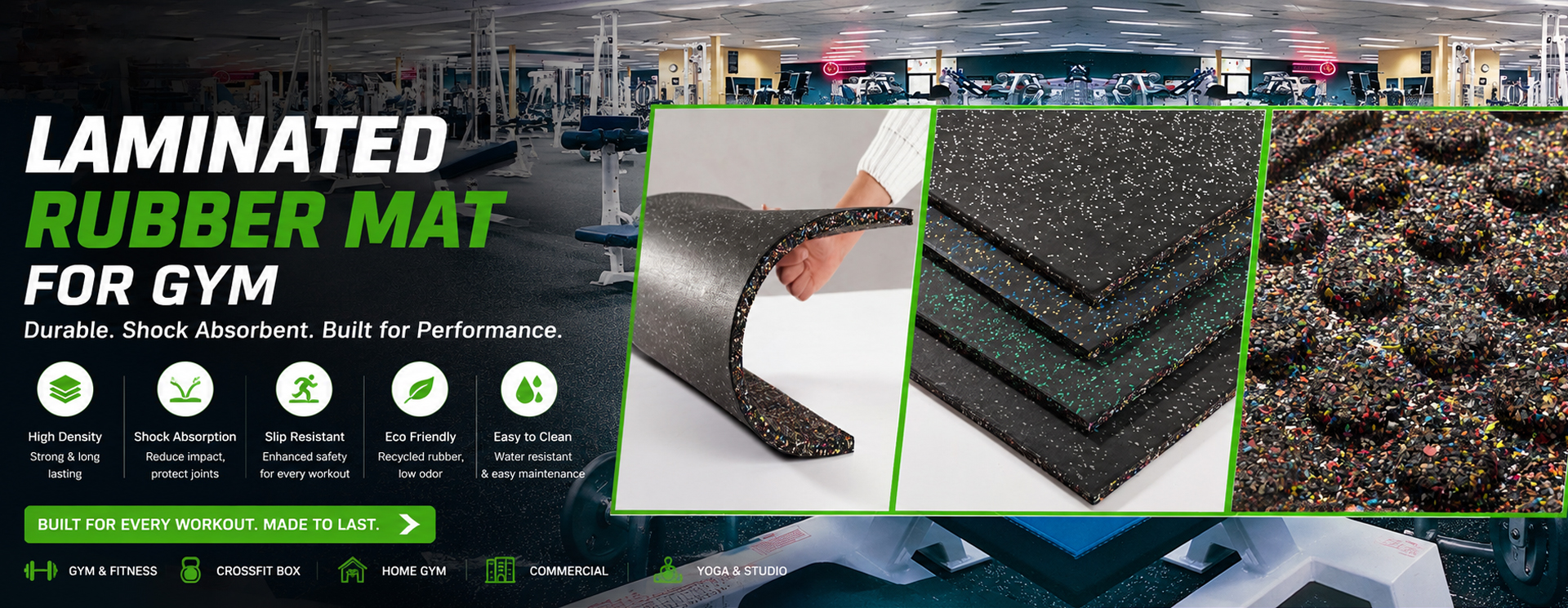
Recycled Rubber Playground Tiles - High-Quality Supplier
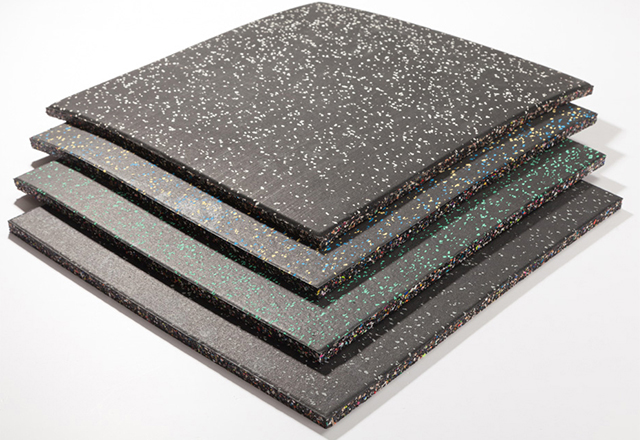
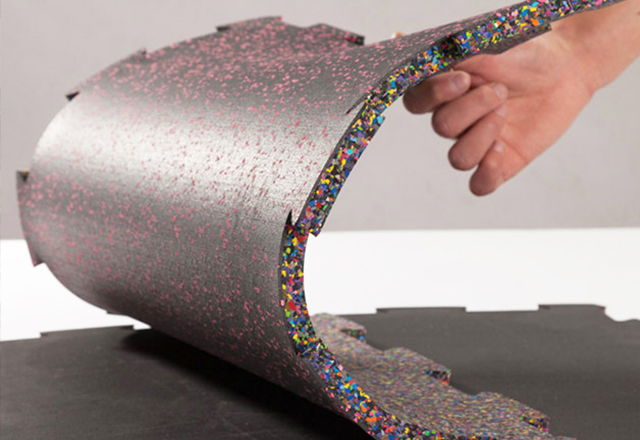
As a dedicated supplier, I present recycled rubber playground tiles that stand up to heavy daily use and meet safety standards for public spaces. Our team delivers High-Quality materials with durable, shock-absorbing properties, ideal for playgrounds, splash pads, and exercise areas. The tiles are weather resistant, UV-stable, fall-safety tested, and easy to install with interlocking edges. They resist cracking, fading, and mold, keeping play areas clean and compliant with certifications. We offer a wide color range and modular shapes to fit any layout, with quick lead times and reliable supply chain. As a client-focused partner, I can tailor thicknesses, underlayment options, and surface textures to your site requirements. Our role as a trusted Supplier means consistent quality, transparent pricing, and responsive service from inquiry to installation. If you seek durable, low-maintenance surfacing that reduces maintenance costs and supports safe play, let us show you how recycled rubber playground tiles can upgrade your project.
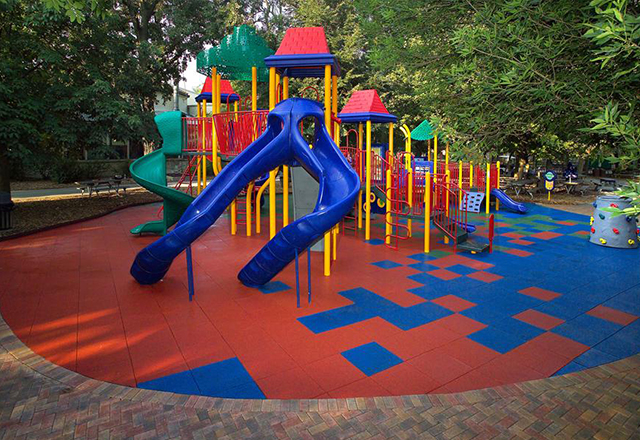
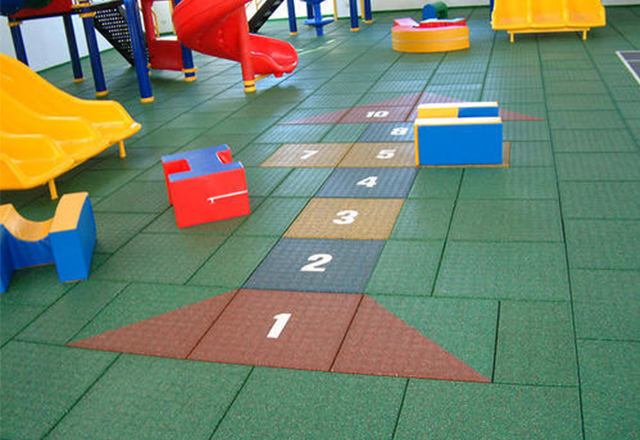
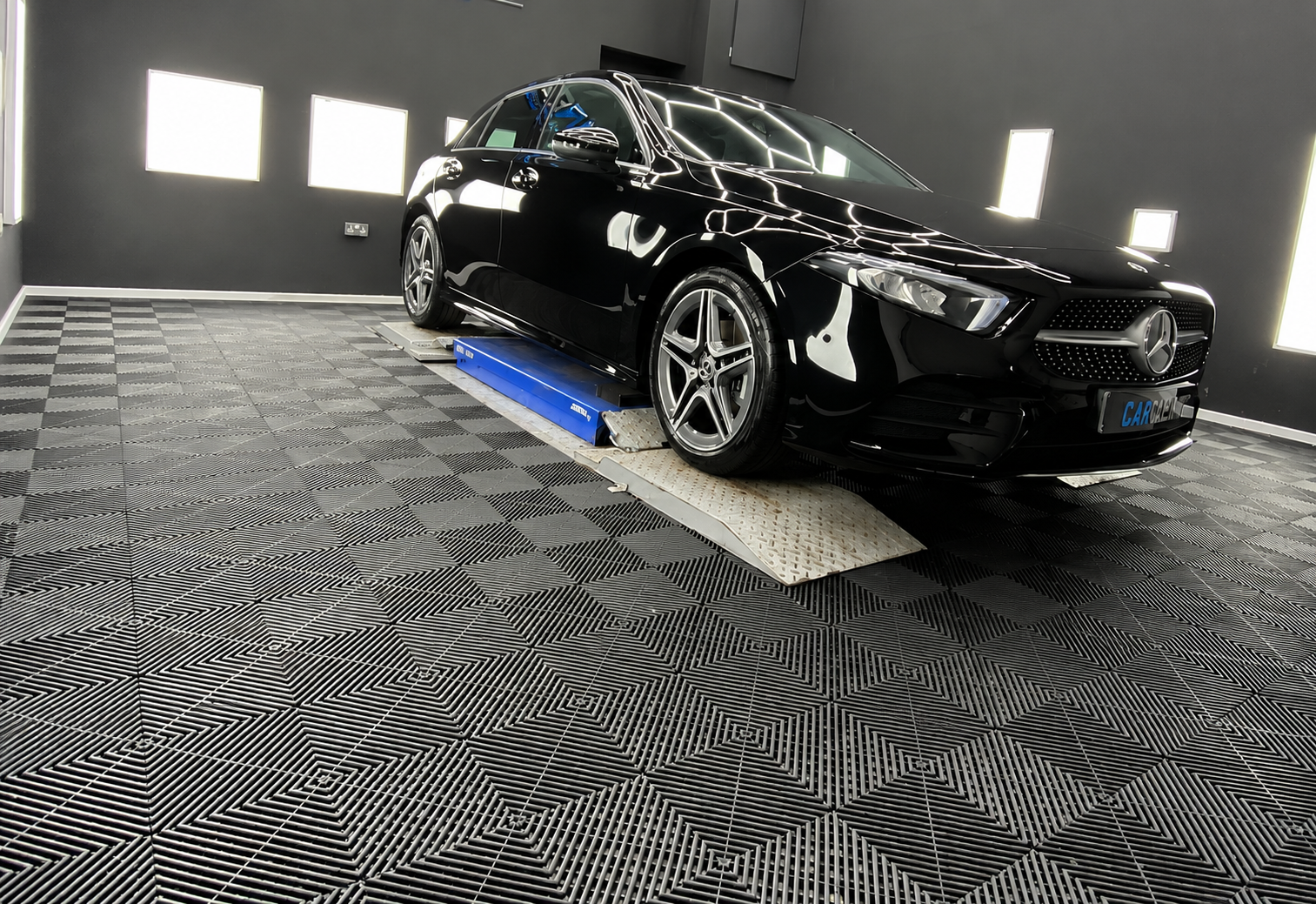
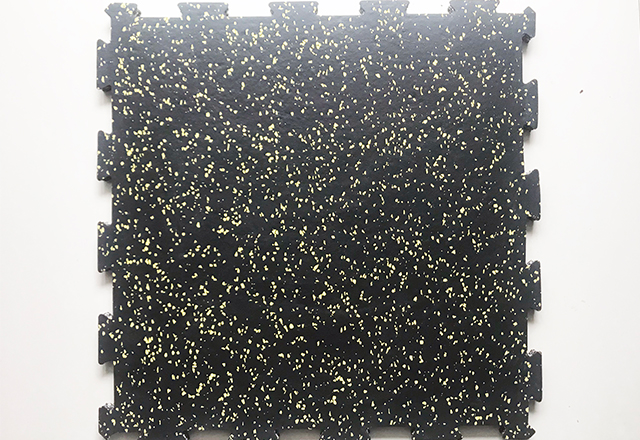
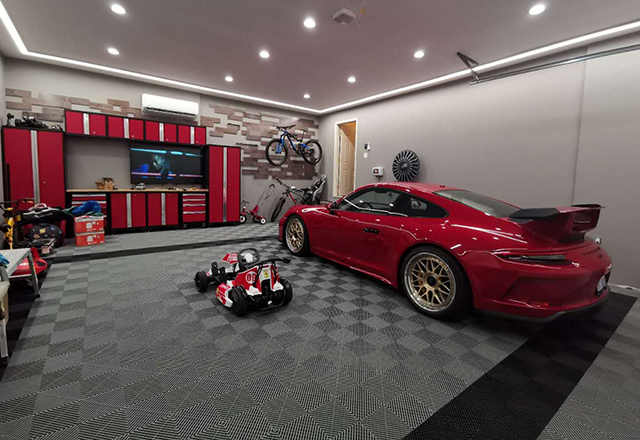
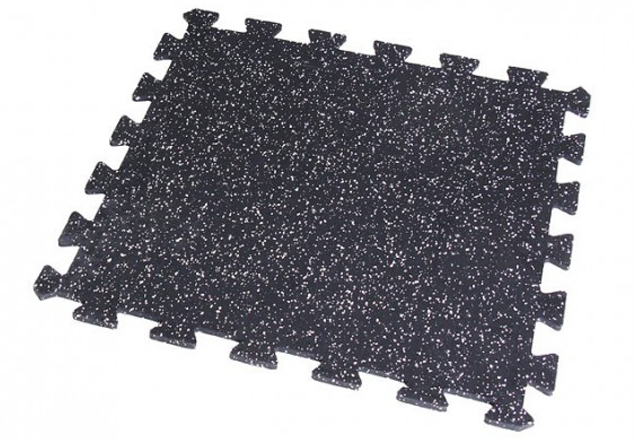
recycled rubber playground tiles Factory Custom Solutions,
Global playground projects increasingly turn to recycled rubber tiles for durable, safe surfaces. Factory custom solutions let buyers tailor thickness, tile size, color blends, textures, and interlocking or loose-lay formats to fit any site. Made from recycled elastomeric compounds, these tiles offer reliable impact absorption, slip resistance, and drainage, performing in sun, rain, and freeze without cracking. Their longevity supports sustainable design goals while diverting waste from landfills. Procurement benefits include consistent quality, scalable production, and alignment with international safety standards. Flexible lead times, sample programs, and localized logistics simplify global rollout. With vibrant aesthetics, low maintenance, and vandal-resistant surfaces, recycled rubber tiles provide a cost-effective playground solution that preserves color and performance over many years, meeting diverse codes and client visions around the world.
| Variant | Tile Size (LxW) mm | Thickness (mm) | Recycled Content (%) | Density (kg/m³) | Color Options | Surface Texture | Slip Resistance CoF (Static) | UV Fade Resistance (hours) | Temperature Range (°C) | Installation Method | Life Expectancy (years) | Certifications | Maintenance Notes |
|---|---|---|---|---|---|---|---|---|---|---|---|---|---|
| A1 | 300 x 300 | 20 | 75 | 1050 | Red, Blue, Green | Granulated | 0.65 | 4200 | -20 to 60 | Interlocking | 15 | EN 1177, ASTM F1292 | Periodic cleaning with mild soap; occasional resealing recommended |
| B1 | 350 x 350 | 25 | 80 | 1080 | Black, Yellow, Blue | Ribbed | 0.70 | 5000 | -20 to 65 | Interlocking | 20 | EN 1177, ASTM F1292 | Annual inspection; sweep and rinse |
| C1 | 400 x 400 | 30 | 85 | 1100 | Red, Black | Smooth | 0.68 | 4800 | -25 to 60 | Loose Lay with Adhesive | 25 | EN 1177, ISO 9001 | Semi-annual cleaning; check interlock integrity |
| D1 | 300 x 450 | 20 | 70 | 990 | Green, Brown | Pebble | 0.62 | 3600 | -18 to 60 | Interlocking | 16 | EN 1177 | Weekly sweep; stain removal as needed |
| E1 | 500 x 500 | 25 | 78 | 1070 | Blue, Grey | Textured | 0.75 | 5200 | -15 to 60 | Interlocking | 22 | EN 1177, ASTM F1292 | Annual wash; check for wear at edges |
Related Products
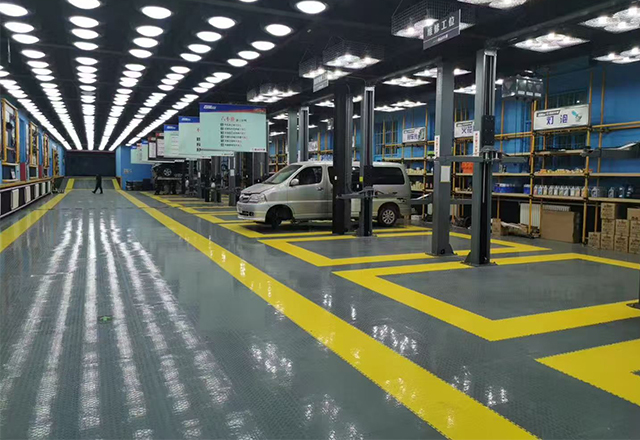
recycled rubber playground tiles Supplier Market Leader
Top Selling Products
- Related Blog
- Reviews
