
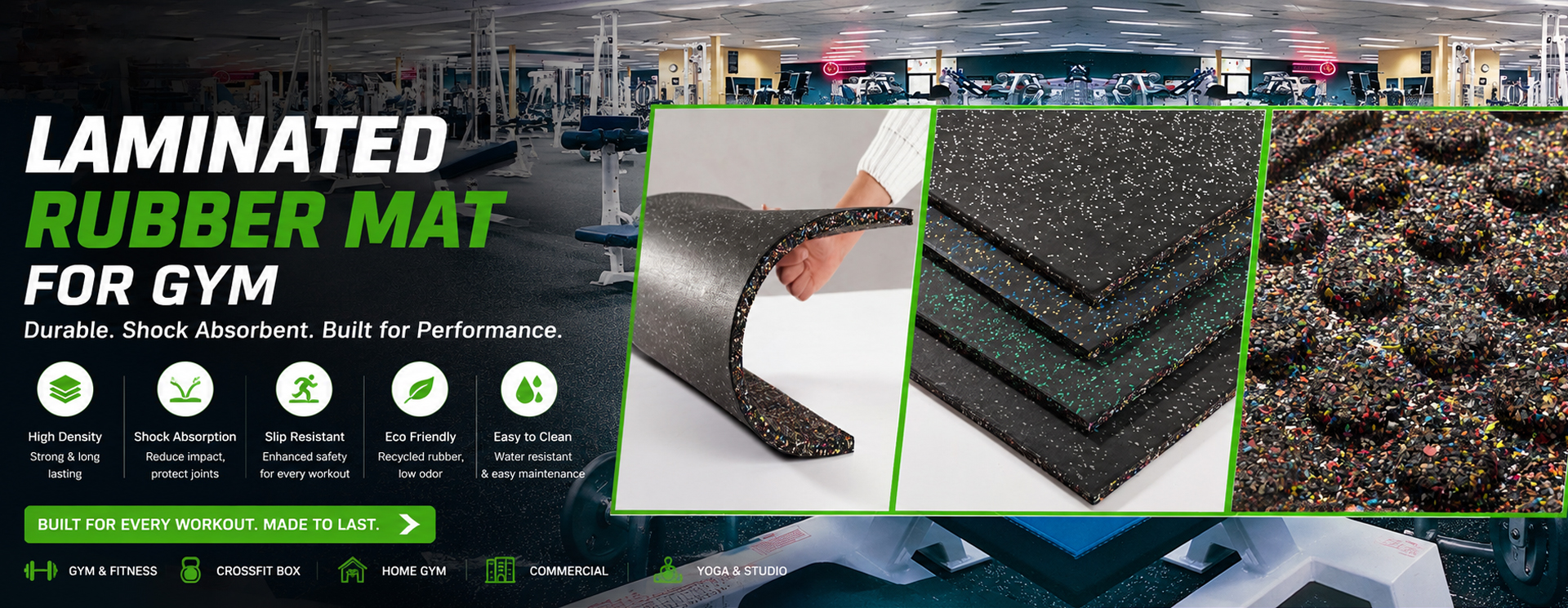
High-Quality Rubber Pavers for Horse Stables - Reliable Supplier
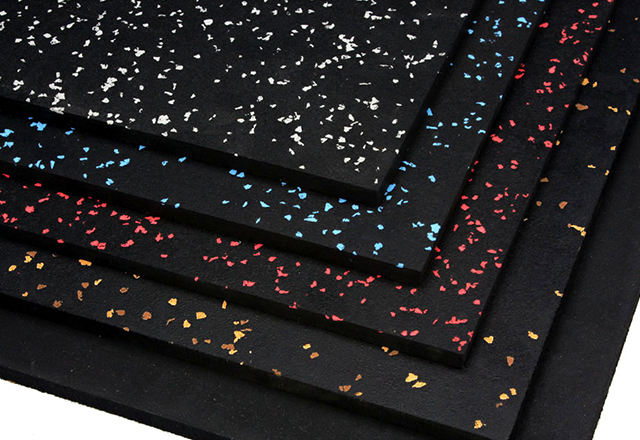
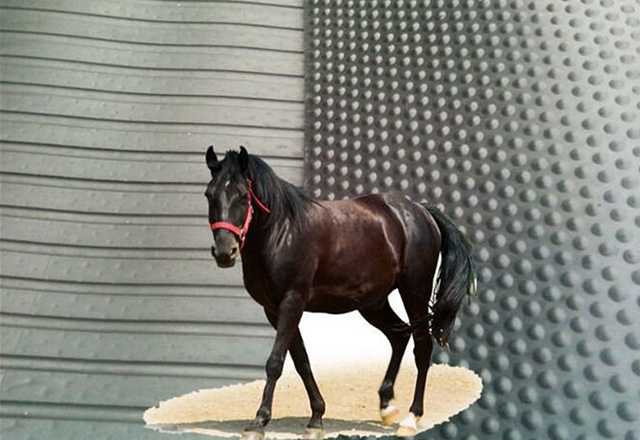
From my experience working with equine facilities, I know what matters: resilience, slip resistance, and easy maintenance. Our rubber pavers for horse stables are engineered to handle daily hooves, feed spills, and routine wash downs without cracking or fading. I position them as a High-Quality solution for barn floors, offering excellent shock absorption to protect joints and horses’ legs. As a reliable Supplier, I offer quick lead times, bulk pricing, and a service-first approach. The interlocking design makes installation simple, reducing downtime and disruption to your stables. They’re UV-stable, rot-proof, and resistant to cleaning agents, so long-term wear stays minimal. My team can provide CAD layouts and sample boards to verify fit, color, and texture before you commit. If you’re evaluating long-term stability and easier maintenance, I believe these rubber pavers for horse stables are the smart choice for modern equestrian facilities.
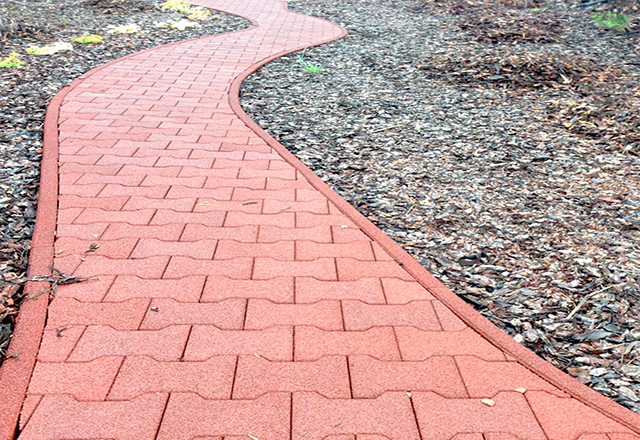
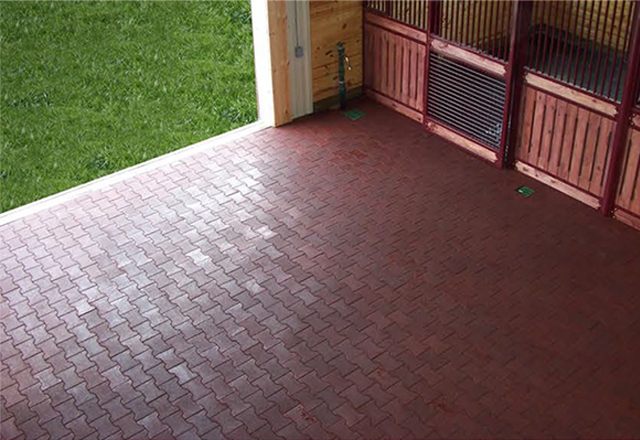
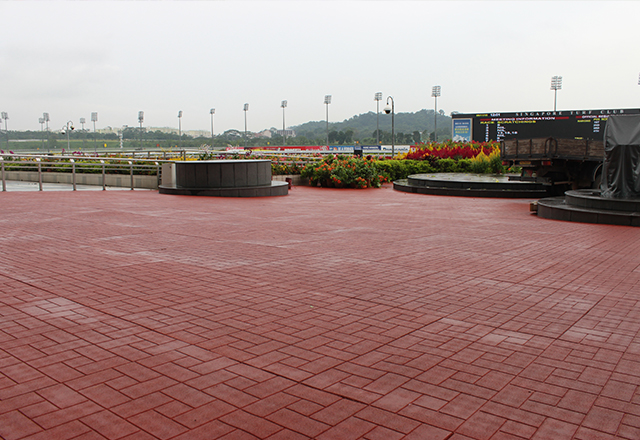
rubber pavers for horse stables Pioneers in the Field Outperforms the Competition
In the stable industry, global buyers seek safety, durability, and low lifecycle costs. Rubber pavers designed for horse stables combine rider comfort with practical advantages for managers: superior traction when wet, excellent drainage, and shock absorption, plus a modular install that minimizes downtime during renovation. As pioneers in this field, leading solutions set benchmarks for performance, helping operators future-proof facilities against weather and wear while maintaining a clean, professional appearance. Compared with traditional concrete or loose-fill surfaces, engineered rubber pavers deliver better slip resistance, easier cleaning, and longer wear. They tolerate heavy loads, resist freeze-thaw cycles, and withstand regular cleaning agents, all with lower maintenance costs. Made partly from recycled materials and designed for easy tile replacement, these systems offer scalable configurations for barns of any size, enabling global buyers to tailor layouts, install quickly, and reduce lifecycle costs while improving horse welfare and staff productivity.
| Characteristic | Unit | Recycled Rubber (RR) | Virgin Rubber (VR) | Hybrid Rubber-Composite (HR) | Notes |
|---|---|---|---|---|---|
| Density | kg/m3 | 950 | 1120 | 1000 | Higher density relates to sturdier load-bearing tiles |
| Shore Hardness | Shore A | 60 | 70 | 65 | Balanced for comfort and durability |
| Compressive Modulus | MPa | 2.8 | 4.8 | 3.9 | Higher values indicate stiffer tiles |
| Water Absorption | % | 0.5 | 0.2 | 0.4 | Low absorption reduces moisture retention in stalls |
| Slip Resistance (Wet COF) | COF | 0.50 | 0.55 | 0.52 | Higher is better; suitable for wet conditions |
| UV Resistance | 0-5 scale | 4 | 5 | 4 | Good outdoor performance with stabilizers |
| Durability | years | 8 | 12 | 10 | Indicative lifespans under typical stable traffic |
| Recycled Content | % | 100 | 0 | 60 | Share of recycled materials in blend |
| Thermal Conductivity | W/mK | 0.15 | 0.18 | 0.16 | Lower values reduce heat transfer in barns |
Related Products
rubber pavers for horse stables For the Current Year Custom Solutions,
Top Selling Products
- Related Blog
- Reviews
