
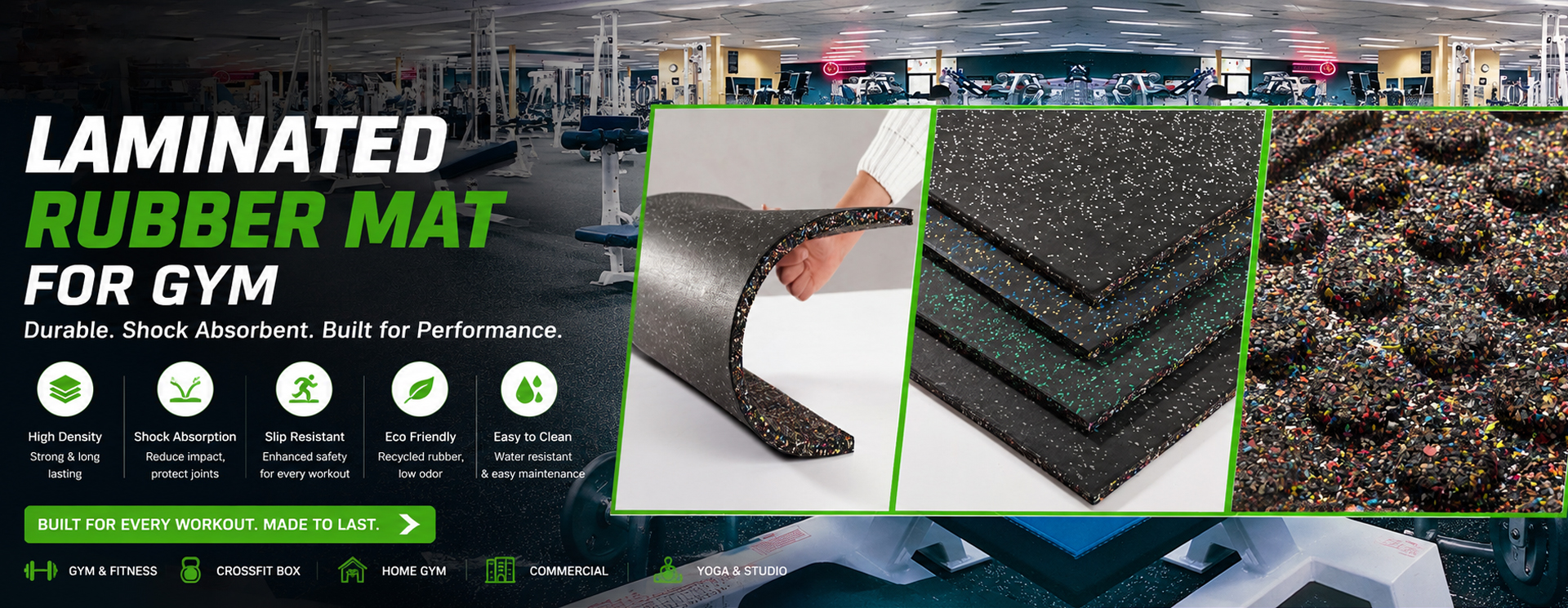
High-Quality Rubber Walkway Tiles | Trusted Supplier
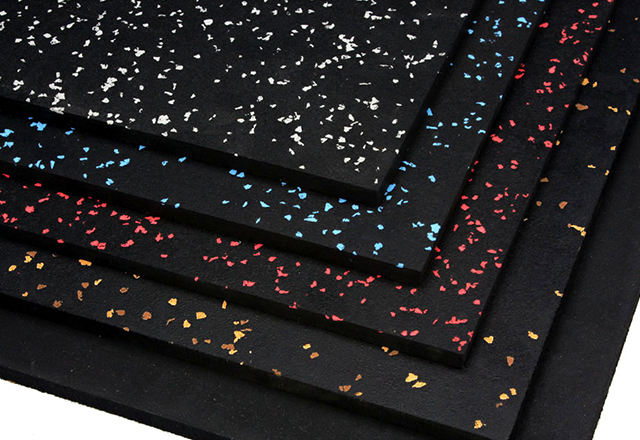
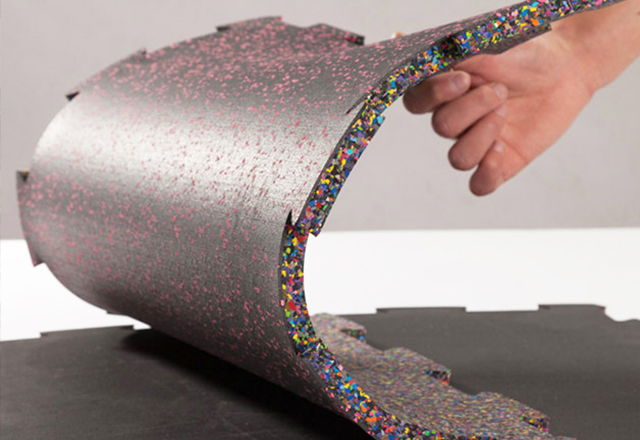
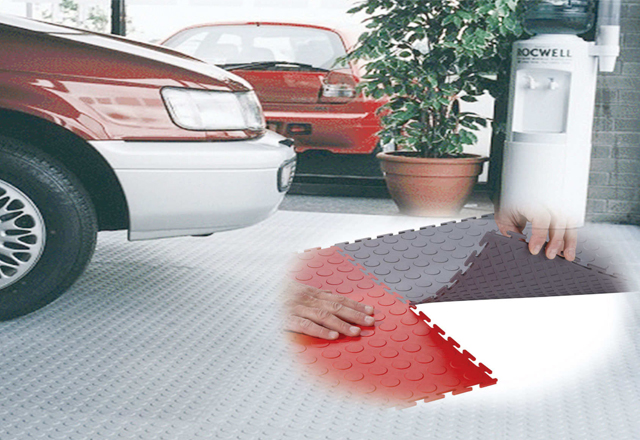
From my workshop to your project, I offer rubber walkway tiles that stand up to heavy footfall and harsh weather. As a Supplier committed to High-Quality materials and durable design, these tiles provide slip resistance, shock absorption, and easy installation in warehouses, campuses, and outdoor walkways. I source recycled rubber and anti-slip top coats, ensuring long life and low maintenance. Each tile is UV-stable, weatherproof, and easy to cut, with interlocking edges for seamless installation. We can customize thickness, colors, and surface textures to match branding. My goal is to deliver reliable, cost-effective rubber walkway tiles for your safety and aesthetics. You’ll find they reduce maintenance costs, protect flooring, and improve safety. If you want High-Quality, dependable products from a true Supplier, let’s talk about your project scope and timeline.
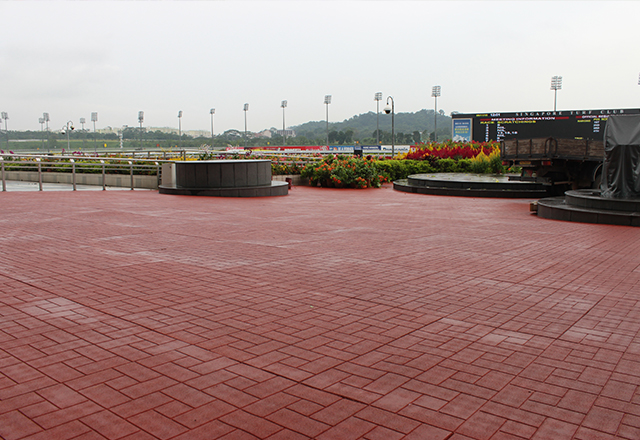
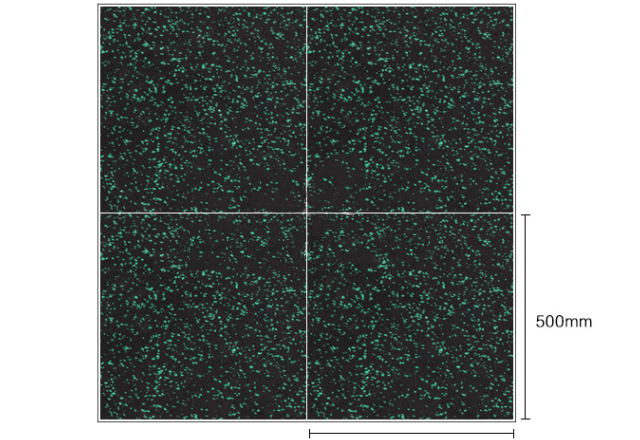
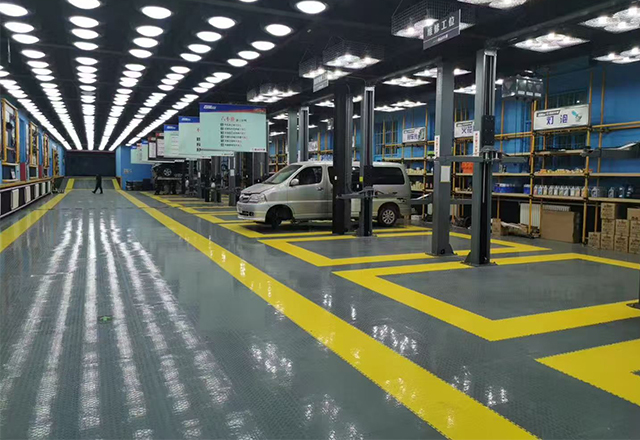
rubber walkway tiles Trusted by Pros Custom Solutions,
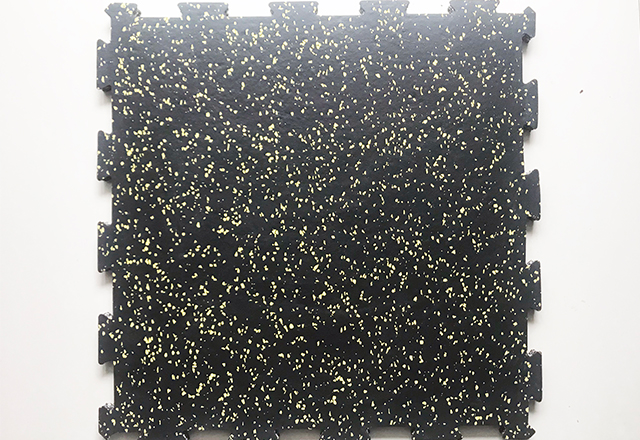
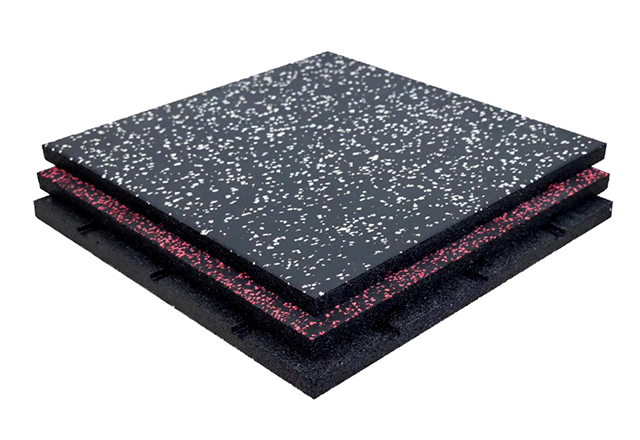
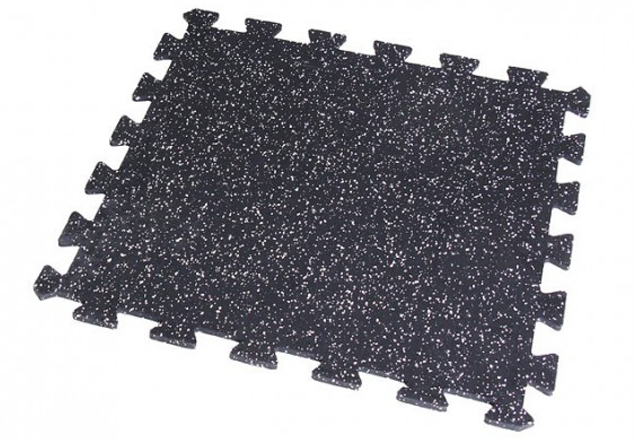
Rubber walkway tiles are trusted by professionals for safety, durability, and comfort in high-traffic areas. With interlocking or edge-locked designs, they install quickly on concrete or wood decks, and their modular sizes adapt to any layout. The tiles resist abrasion, stay UV-stable, and drain efficiently, reducing standing water and slip risk in all weather. For global buyers, a supplier should offer more than a price: look for true custom solutions. Options include tile thickness, surface texture, color, drainage patterns, and edge profiles, plus straightforward installation guidance. Seek proven formulations, consistent quality, recycled content where possible, and reliable, on-time delivery. A partner who can scale across regions helps ensure uniform safety standards from project to project.
rubber walkway tiles Trusted by Pros Custom Solutions
| Product Code | Tile Type | Size (L x W) mm | Thickness (mm) | Weight (kg) | Slip Resistance (PTV) | Color Options | Certifications |
|---|---|---|---|---|---|---|---|
| RT-01 | Interlocking Tile | 500 x 500 | 25 | 2.8 | PTV 33 | Black, Charcoal, Recycled Gray | REACH, RoHS |
| RT-02 | Wide-Edge Tile | 600 x 600 | 25 | 3.2 | PTV 32 | Black, Charcoal, Brown, Green | REACH |
| RT-03 | Premium Tile | 500 x 1000 | 25 | 5.5 | PTV 34 | Anthracite, Black, Yellow, Red | REACH |
| RT-04 | Eco-Interlock | 300 x 300 | 20 | 1.8 | PTV 31 | Green, Black, Grey | REACH |
| RT-05 | UltraFlex Tile | 1000 x 500 | 30 | 6.2 | PTV 36 | Black, Graphite, Blue | REACH, RoHS |
Related Products
rubber walkway tiles Trusted by Pros Where Innovation Meets 2025
Top Selling Products
- Related Blog
- Reviews
