
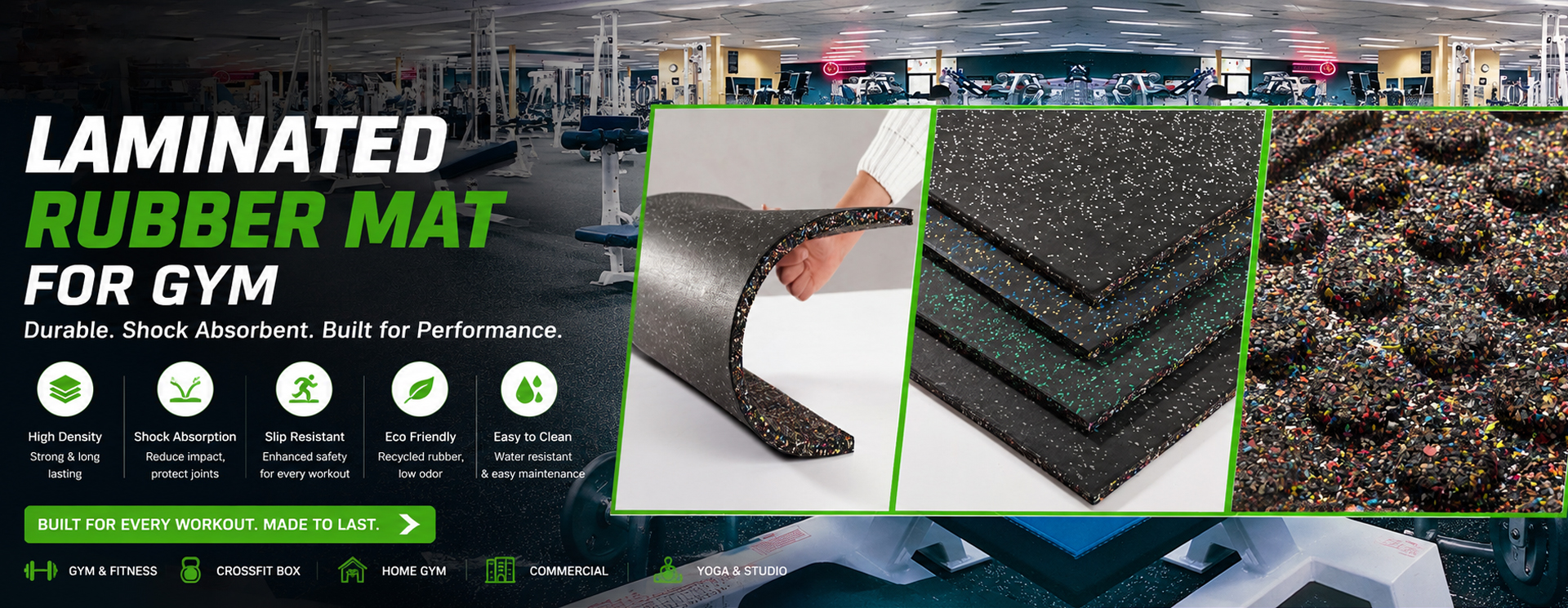
Sports Facility Flooring Wholesale from Trusted Manufacturers
From my workshop, I supply sports facility flooring that meets the tough demands of gymnasiums, indoor courts, and training rooms. I know what buyers want: durability, slip resistance, easy maintenance, and fast installation. We also work with Manufacturers globally. As a Manufacturer and Wholesale supplier, we offer Wholesale pricing for large orders and flexible terms for stadiums, schools, clubs, and recreation centers. Our materials include EVA/PU vinyl, rubber, and polyurethane coatings designed for high impact and optimal ball bounce. I source top raw materials and back it with testing—shock absorption, fire ratings, and anti-microbial surfaces. If you're a buyer, you can trust us to deliver consistent quality, on-time shipping, and scalable MOQ. We offer custom colors, logos, and thickness options to fit your facility's design and budget. Contact me for a quote and product samples today.
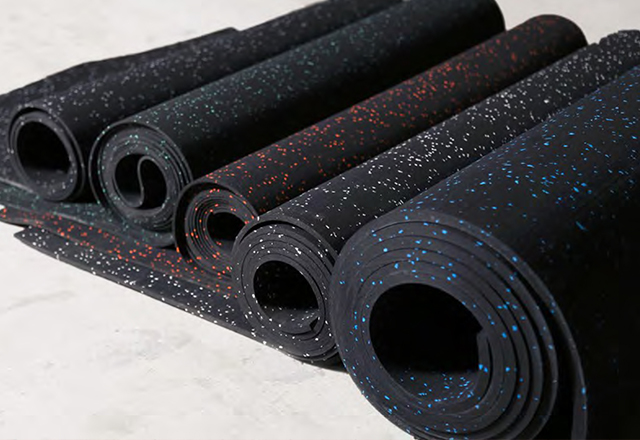
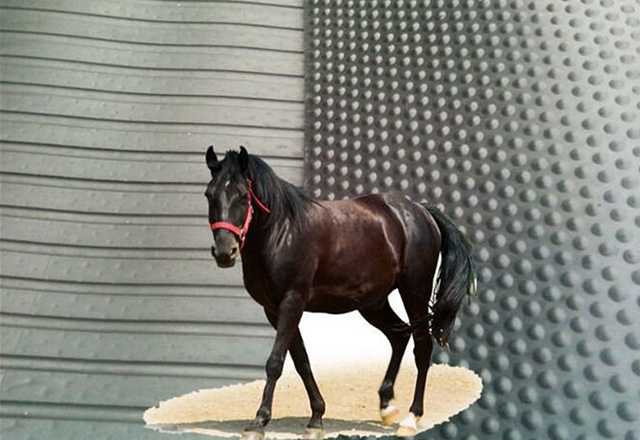
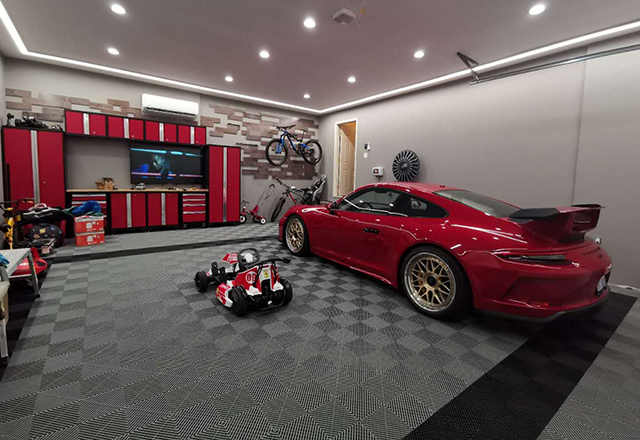
sports facility flooring Is The Best For the Current Year
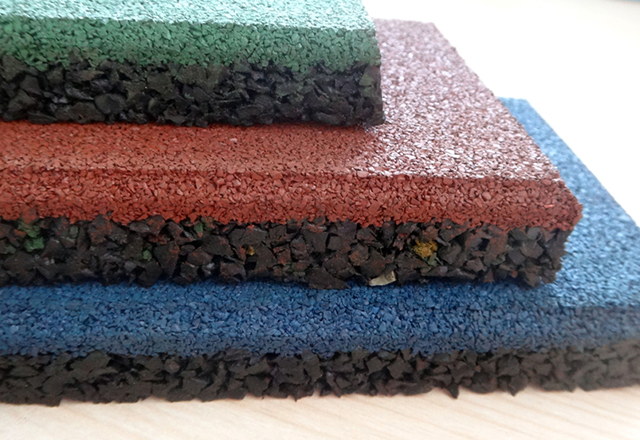
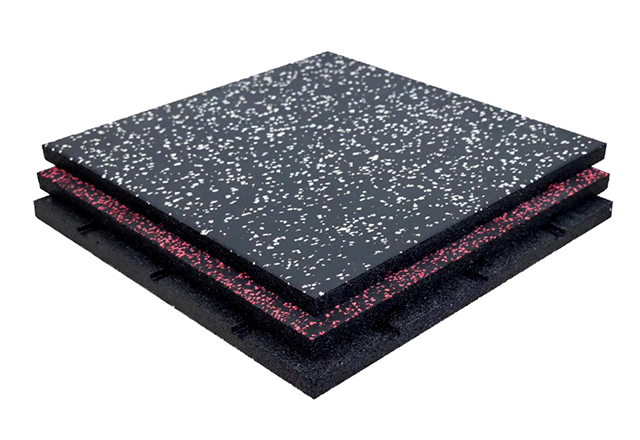
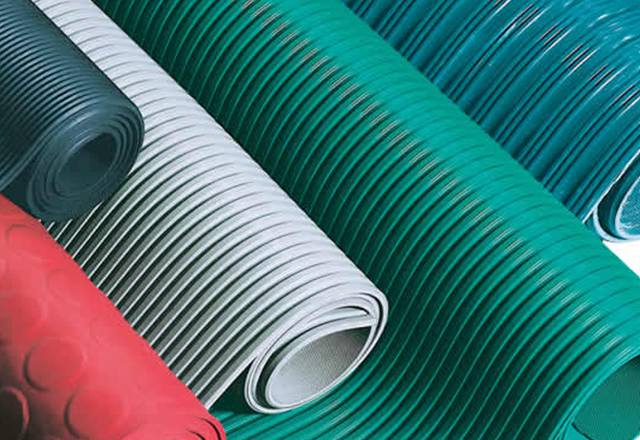
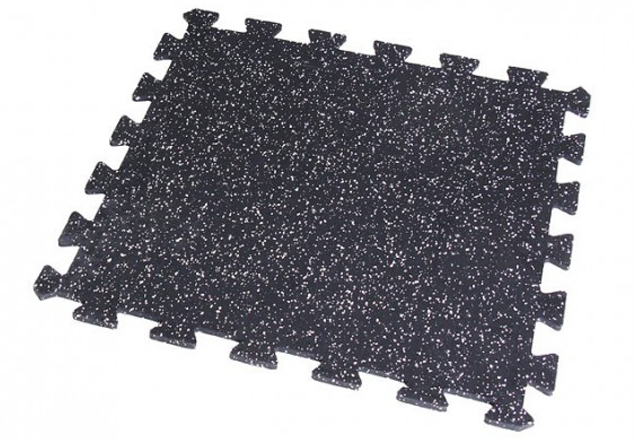
For modern sports facilities, rubber flooring remains the best choice this year due to its balance of comfort, safety and durability. It provides excellent shock absorption to protect joints, strong traction to reduce slips, and long wear under heavy equipment and high traffic. It also offers uniform surfaces, acoustic damping, and easy maintenance with non-porous, stain‑resistant finishes. With options from seamless sheets to modular tiles and custom colors, operators can tailor performance and aesthetics to various sports while meeting indoor air and VOC standards. Global buyers should evaluate specs, certification and lifecycle value. Look for products that meet international standards for indoor sport surfaces, low VOC emissions, recycled content, and responsible manufacturing. Consider thickness tolerances, installation method, repairs, and warranty coverage. A resilient system can cut replacement and maintenance costs, while supporting sustainability with recyclability and reliable local distribution.
sports facility flooring Is The Best For the Current Year
| Flooring Type | Material | Typical Applications | Thickness (mm) | Lifespan (years) | Slip Resistance (Dry/Wet) | Impact Absorption (%) | Maintenance | VOC Emission Class |
|---|---|---|---|---|---|---|---|---|
| Engineered Hardwood Sports Floor | Engineered wood with PU wear layer | Indoor basketball, volleyball, badminton | 17-22 | 25-40 | Dry R11 / Wet R9 | 50-60 | Dust mop daily; refinishing every 3-5 years; humidity control | Low |
| Solid Hardwood Sports Floor | Solid hardwood with polyurethane finish | Indoor basketball, training courts | 18-22 | 25-35 | Dry R11 / Wet R9 | 48-58 | Regular sanding/refinish every 5-7 years; daily cleaning | Low |
| Vinyl Sports Flooring (PVC) | PVC wear layer with polyurethane topcoat | Multi-use gym floors | 6-8 | 10-15 | Dry R10 / Wet R11 | 20-40 | Daily dry mop; periodic resealing every 3-5 years | Low to Moderate |
| Rubber Flooring (EPDM/SBR) | EPDM/SBR rubber | Indoor gym, weight rooms, play areas | 6-12 | 15-25 | Dry R10 / Wet R11 | 40-50 | Regular cleaning; replace worn sections; occasional sealing | Low |
| Epoxy Resin Floor (Anti-slip) | Epoxy resin with anti-slip aggregates | Multi-use gym areas, workshops | 1-3 | 8-15 | Dry R12 / Wet R12 | 10-25 | Light cleaning; periodic re-coating every 5-10 years | Low |
| PU Sports Floor | Polyurethane topcoat over stable substrate | Indoor courts, fitness studios | 4-6 | 12-20 | Dry R11 / Wet R9 | 25-40 | Regular cleaning; recoat every 5-8 years | Low |
Related Products
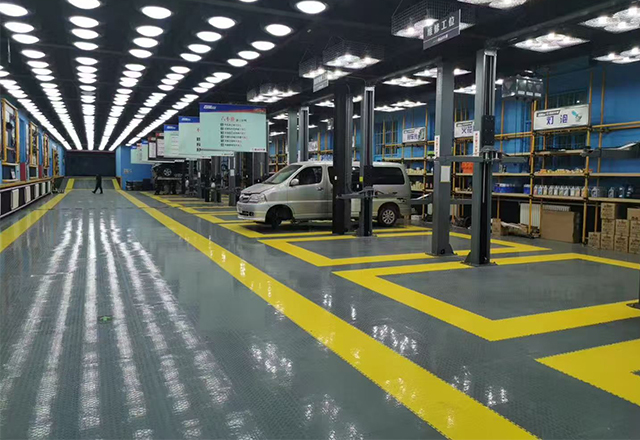
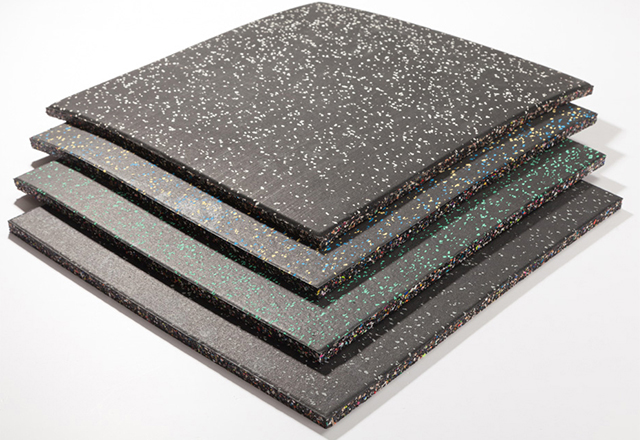
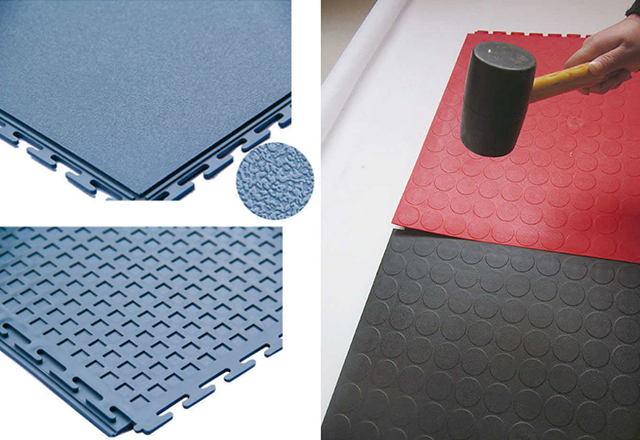
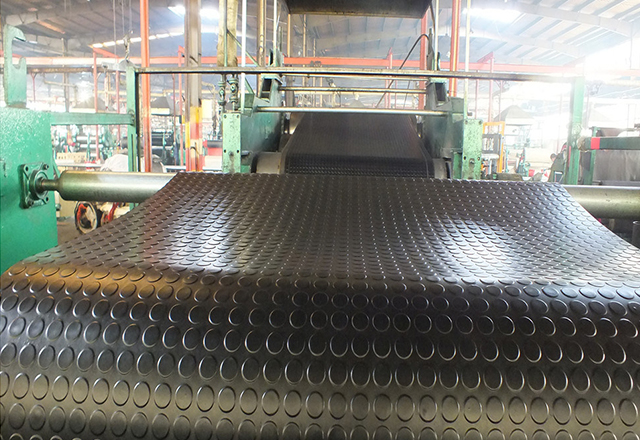
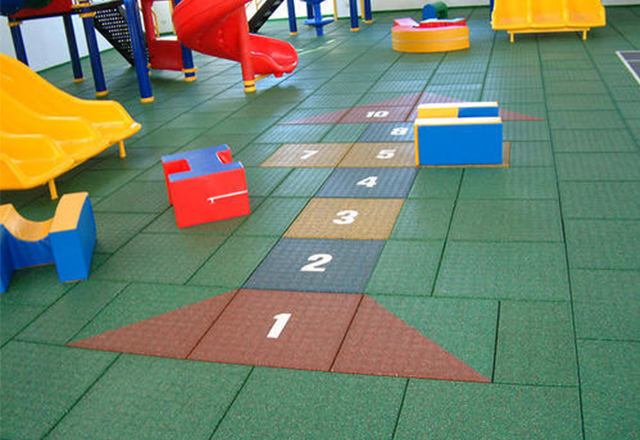
sports facility flooring Guarantees Peak Performance Global Reach
Top Selling Products
- Related Blog
- Reviews
