
Sports Rubber Flooring Manufacturer in China | Trusted Supplier
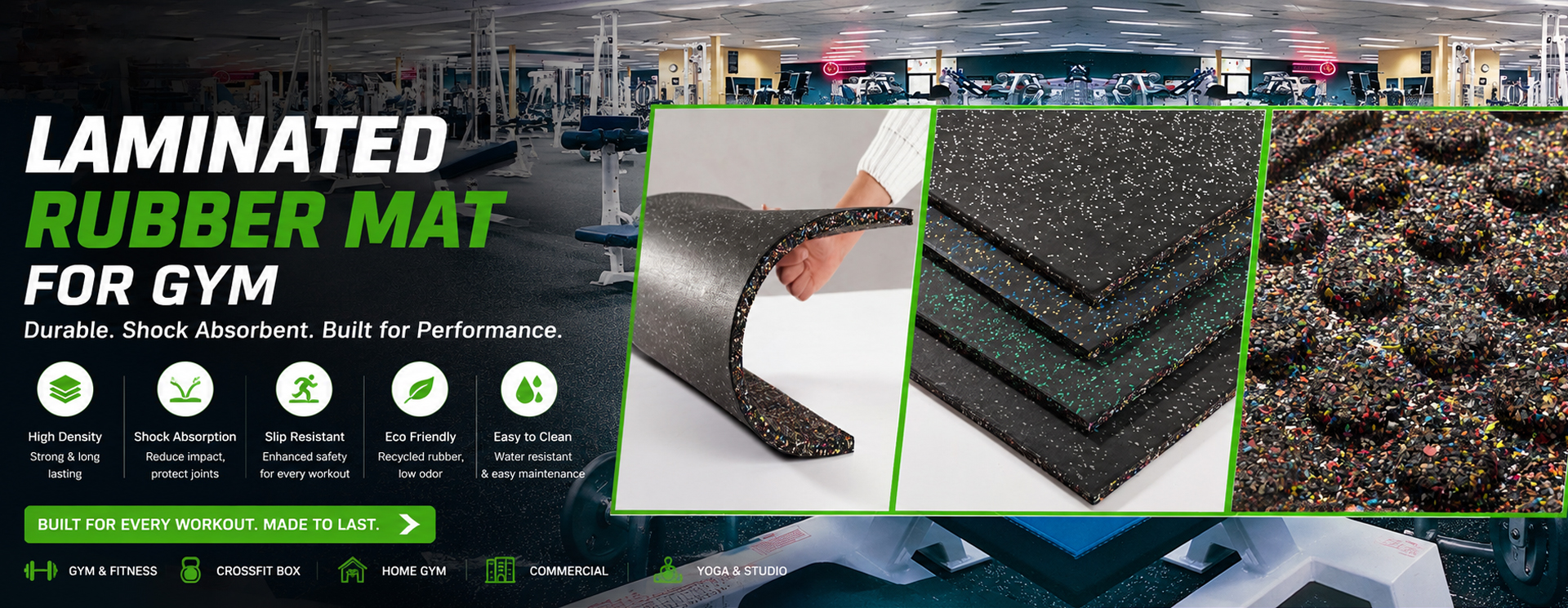
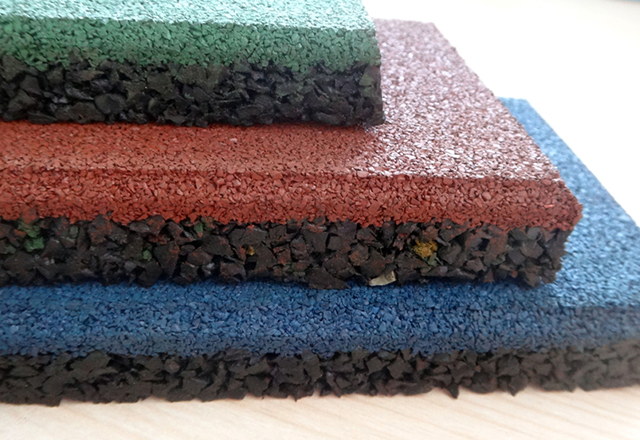
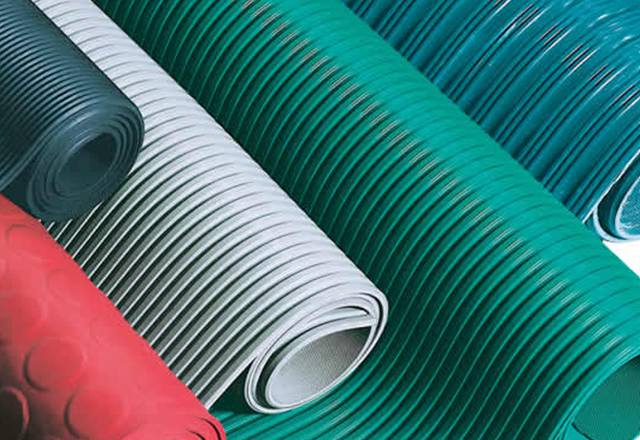
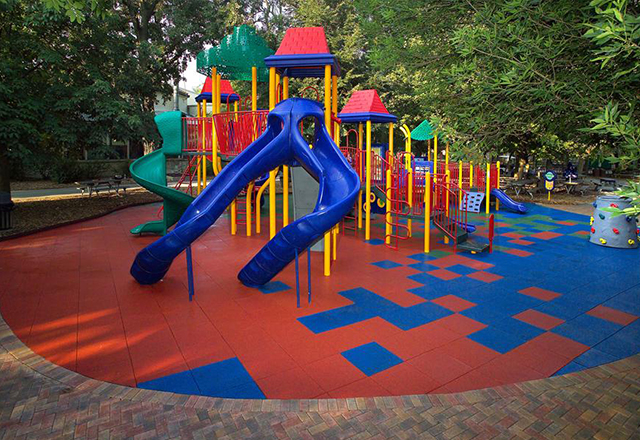
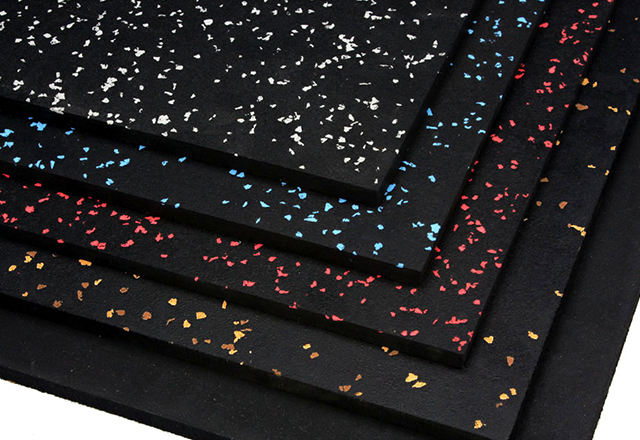
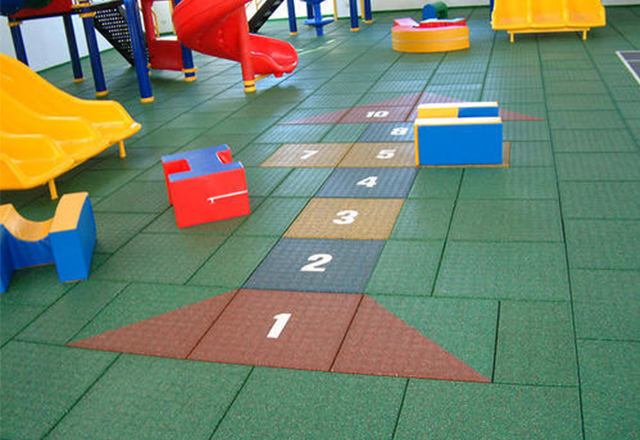
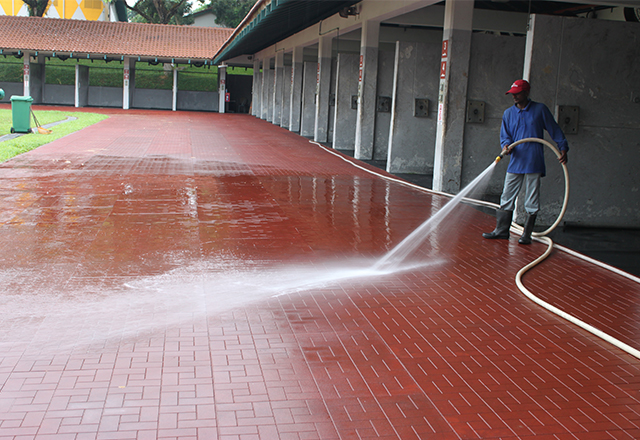
From my workshop in China, I offer premium sports rubber flooring for gyms, courts, and multi-use spaces. As a China-based Manufacturer, I know what B2B buyers need: durability, safety, and reliable supply. Our flooring delivers excellent shock absorption, strong anti-slip texture, water resistance, and easy maintenance. It’s available in multiple thicknesses and colors, with seamless edges for a clean look and faster installation. We use recycled or virgin rubber with low VOC binders to meet EU/US standards while staying price competitive. Interlocking or loose-lay options speed up installation and reduce downtime on site. We also provide customized surface patterns, logos, and thickness to fit your project specs, with flexible MOQ and lead times that match your schedule. If you are sourcing for a stadium, school, fitness center, or training facility, I can support a stable supply chain and competitive pricing directly from a trusted Manufacturer in China.
sports rubber flooring Pioneers in the Field Your Trusted OEM Partner
As a pioneer in sports rubber flooring, we design and manufacture performance-driven surfaces for gyms, courts, and multi-use spaces. These solutions deliver strong shock absorption, reliable grip, and long-lasting durability while remaining easy to clean. As a trusted OEM partner for global procurement teams, we tailor materials, thickness, textures, colors, and logos to your branding and performance goals. Our engineers guide you from concept to final product, ensuring a smooth fit with subfloor systems and installation workflows. Quality, consistency, and reliability guide every project. Rigorous QA checks—from resin formulation to final inspection—ensure uniform batch performance. We scale production for large orders with dependable lead times, efficient packaging, and global logistics. Sustainability guides our approach, using durable materials and recycled content to lower total cost of ownership. For global rollouts, we offer design support, rapid prototyping, and end-to-end OEM service to keep projects on time and on spec.
| Dimension | Specification | Data / Range | Notes |
|---|---|---|---|
| Primary Material | Material Type | EPDM rubber, SBR, or recycled crumb rubber blends | EPDM offers better UV stability and colorfastness for indoor environments |
| Thickness | Available Thickness | 6 mm, 8 mm, 12 mm, 15 mm | Choose based on cushioning needs and subfloor conditions |
| Density | Density | 1.8–2.1 g/cm3 | Higher density generally improves durability and support |
| Shore Hardness | Hardness Range | 60–70 Shore A | Common range for gym flooring balancing grip and cushion |
| Abrasion & Wear | Abrasion Rating | 0.20–0.40 mm wear per 1000 cycles (Taber test) | Lower wear rate indicates longer service life under heavy use |
| Slip Resistance | Slip Resistance | EN 13845 Class II–III | Suitable for both dry and wet indoor conditions |
| Fire Performance | Flame Classification | EN 13501-1 Bfl-s1 | complies with common indoor safety requirements |
| Certifications | Standards & Compliance | ISO 9001, ISO 14001, RoHS | Demonstrates quality management and environmental compliance |
| Typical Applications | Recommended Use | Indoor gyms, fitness studios, school sports halls, multi-purpose rooms | Versatile for high-traffic indoor sport and activity spaces |
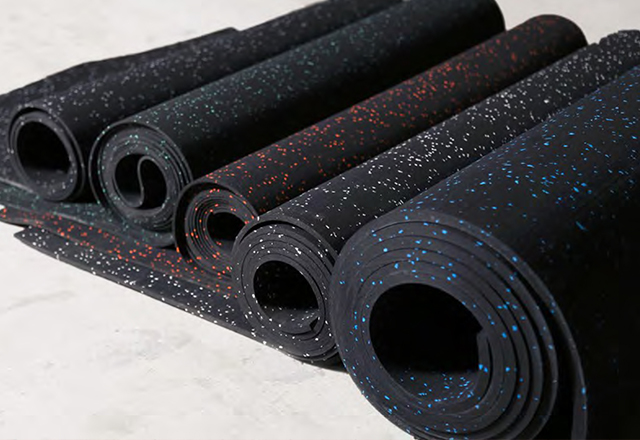
| Installation Method | Installation Options | Interlocking tiles, glue-down sheets, or loose-lay mats | Interlocking systems enable faster, tool-free installation |
| Warranty | Warranty Period | 12–15 years | Limited warranty against manufacturing defects |
| Color Options | Color Availability | Black, Gray, Blue, Red, Green | Color stability varies by formulation and finishing |
Related Products
sports rubber flooring Now Trending Exceeds Industry Benchmarks
Top Selling Products
- Related Blog
- Reviews
