
Health Club Flooring - China Manufacturer for Commercial Gyms
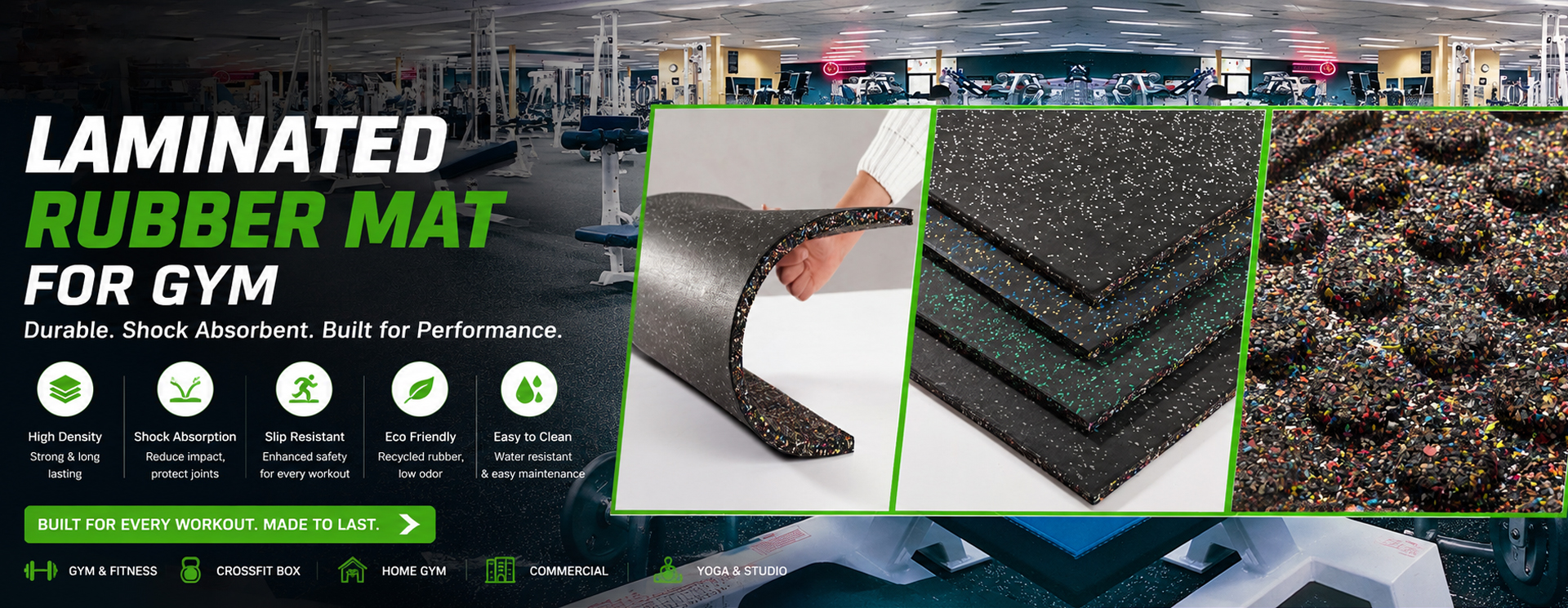
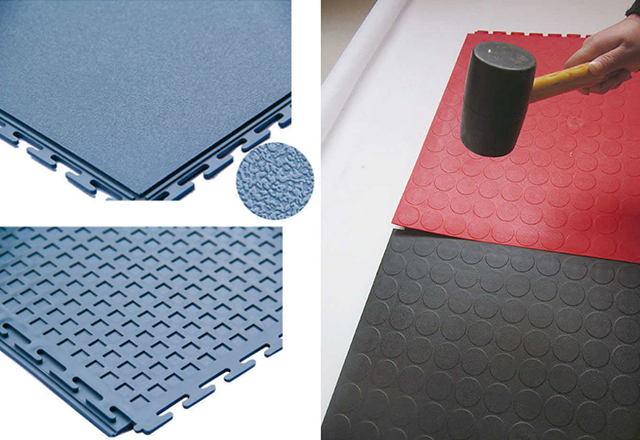
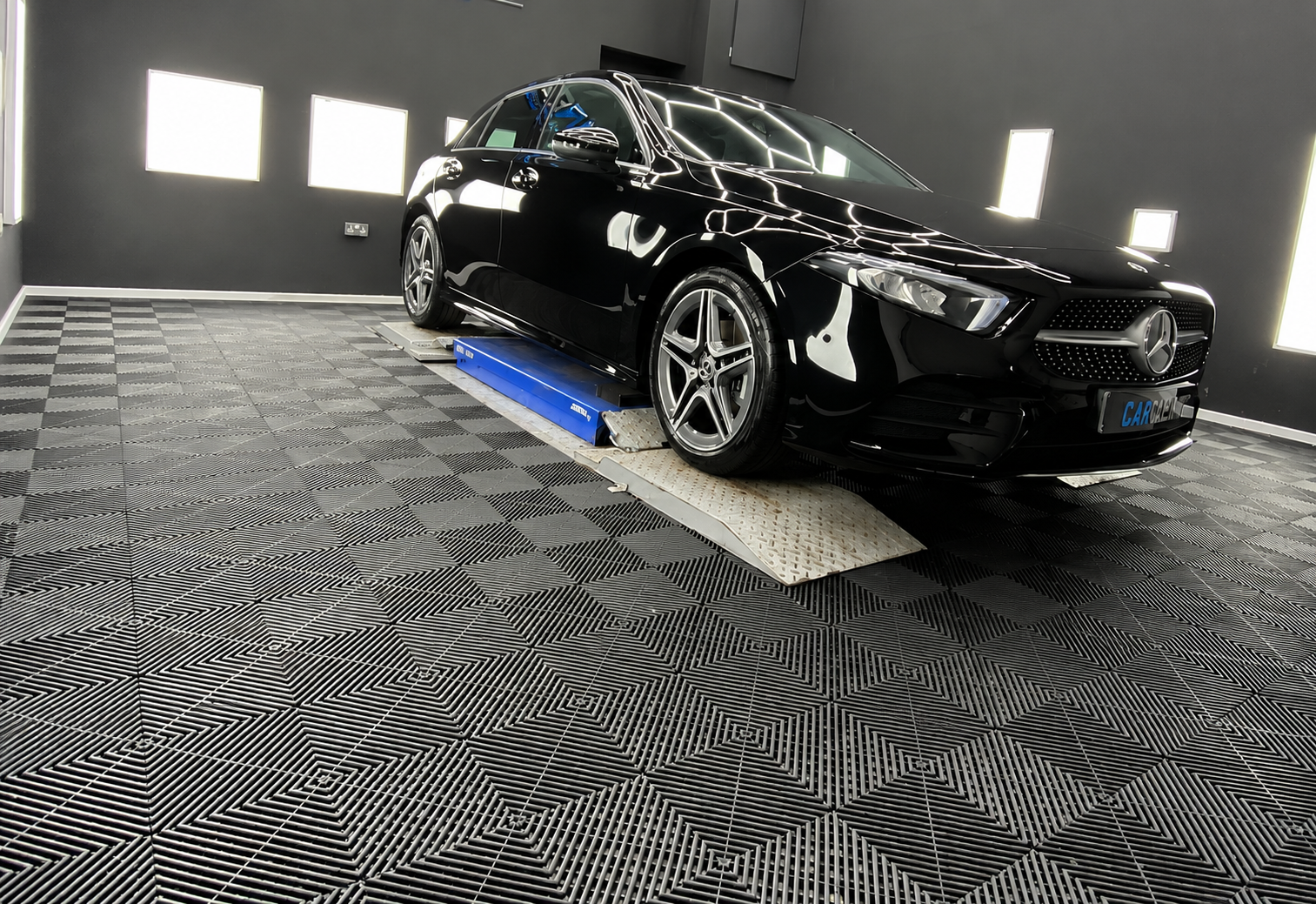
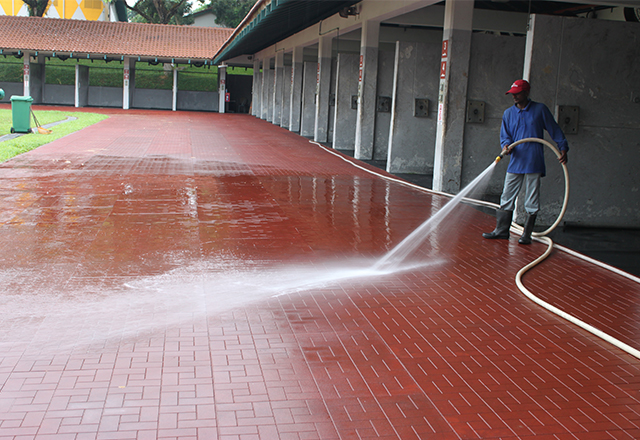
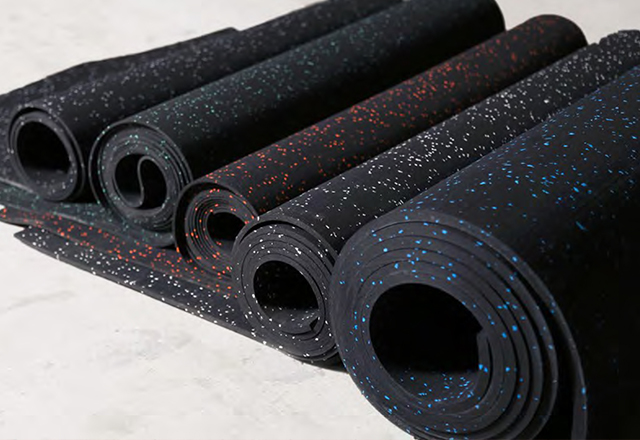
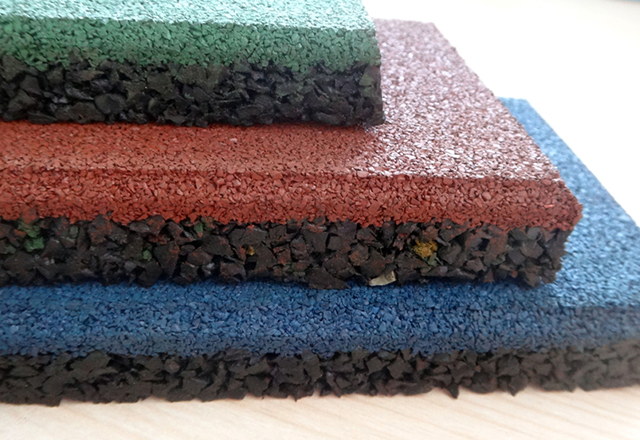
I’m a China-based Manufacturer of health club flooring, and I’ve learned what gym operators demand—durable performance, easy maintenance, and fast, reliable supply. Our range delivers unrivaled resilience under heavy equipment and high foot traffic, with excellent shock absorption to protect joints and gym floors. The anti-slip surface keeps athletes safe during intense sessions, while moisture resistance and easy-clean coatings simplify daily hygiene in busy facilities. We offer modular rubber tiles, interlocking sheets, and vinyl options to fit any room layout, with custom thicknesses, colorways, and branding possibilities to match your project. As a Manufacturer, I can scale production, provide CAD drawings, and meet strict lead times for China-based or international projects. All products come with indoor air quality certifications and long warranty support. If you’re sourcing for a reliable partner to deliver consistent quality and competitive pricing, I’m ready to discuss your gym’s flooring needs today.
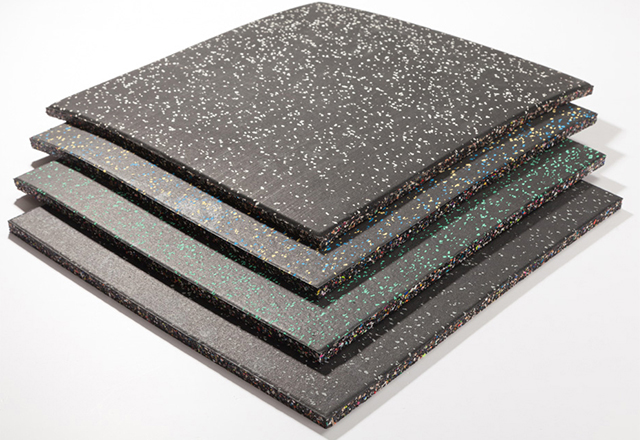
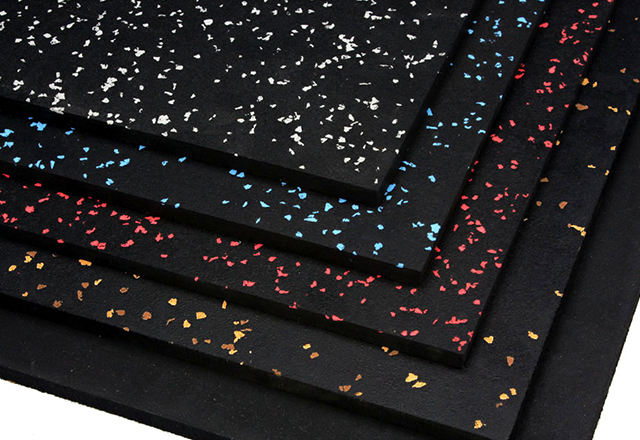
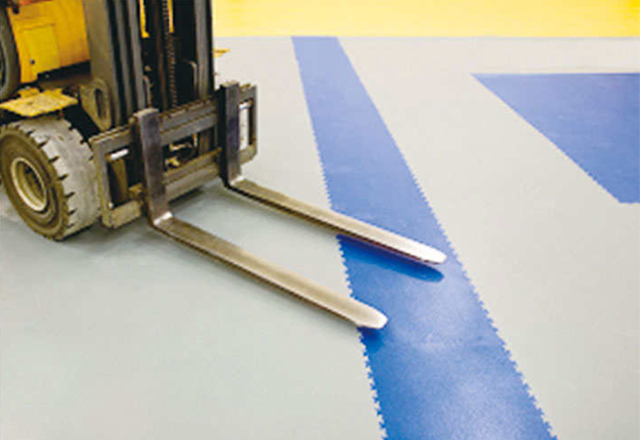
health club flooring Stands Out For the Current Year
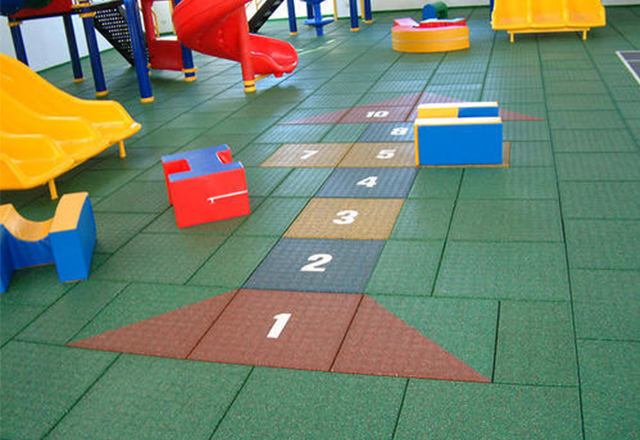
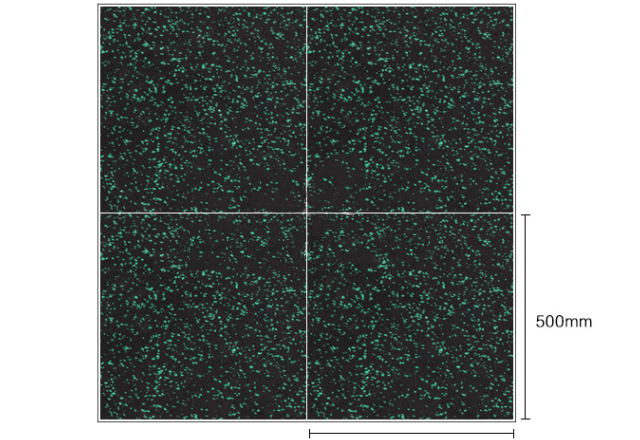
This year’s health club flooring is defined by performance, hygiene and sustainability. Leading solutions combine recycled and virgin rubber compounds for superior shock absorption, slip resistance and sound dampening across free-weight, cardio and functional-training zones. Antimicrobial surface options, low-VOC formulations and easy-to-clean seams meet heightened hygiene expectations, while modular tiles and rolls allow fast installation, targeted zoning and on-brand color customization. Global buyers sourcing direct from an experienced rubber-flooring manufacturer gain advantages in cost, quality control and scalability. Factory-level production enables OEM/ODM customization, batch testing to international standards, flexible packaging and reliable lead times—delivering durable, low-life-cycle-cost flooring tailored to modern health clubs worldwide.
| Flooring Type | Typical Material | Thickness (mm) | Durability (1-10) | Shock Absorption (%) | Slip Resistance | Acoustic Reduction (ΔLw, dB) | Recommended Areas | Installation Method | Maintenance Frequency | Recycled Content (%) | Expected Service Life (years) | Common Certifications / Standards |
|---|---|---|---|---|---|---|---|---|---|---|---|---|
| Rubber Tile (crumb) | Vulcanized crumb rubber | 8–25 | 9 | 30–45 | COF ≥ 0.6 (wet) / R10 | 5–8 | Free weights, functional training | Interlocking or fully adhered | Daily light cleaning; weekly deep clean | 40–70 | 10–15 | EN 14877; EN 13501-1 (fire rating); EPD available |
| Homogeneous Vinyl (sports) | Heterogeneous / homogeneous PVC | 2.5–4.5 | 8 | 15–25 | R9–R10 / COF ~0.4–0.6 | 2–4 | Group fitness studios, multipurpose | Adhered with welded seams | Daily sweeping; wet mopping weekly | 10–30 | 8–12 | EN 649; ISO 9001; Indoor air quality certifications (e.g., GREENGUARD) |
| Sprung Hardwood | Solid hardwood on engineered sub-structure | 20–22 (overall) | 8 | 40–55 | COF ~0.4–0.6 (finished) | 8–12 | Basketball, multipurpose courts, dance | Nailed/glued to subfloor with sprung layer | Periodic sanding & resealing (annual to multi-year) | 0–5 | 20–40 | FSC or PEFC for timber; EN standards for sports performance |
| PU Poured (seamless) | Polyurethane with mineral binder | 8–15 | 9 | 30–50 | COF ≥ 0.6 (textured) | 4–7 | Group classes, studio zones, multi-use courts | Seamless poured over prepared substrate | Low-maintenance; periodic deep clean | 10–25 | 12–20 | EN 14904 (sports); ISO 9001; EPDs available |
| Carpet Tile (low pile) | Nylon / polyester low-pile tiles | 6–12 | 6 | 10–20 | Not applicable (textile surface) | 10–14 | Yoga rooms, reception, lounge areas | Adhesive modular installation | Daily vacuum; stain treatment as needed | 20–40 | 5–10 | GREENGUARD; EPD; ISO indoor air quality standards |
| Interlocking EVA Foam | Cross-linked EVA foam | 12–25 | 6 | 60–75 | COF ≥ 0.6 (textured) | 6–9 | Stretching, yoga, children's areas | Loose-lay interlocking | Wipe down; occasional deep clean | 5–15 | 3–7 | Meets common impact and flame safety test criteria; EPDs vary by manufacturer |
| High-Performance Synthetic (EPDM top layer) | EPDM granules with binder | 10–20 | 9 | 35–55 | COF ≥ 0.6 / R10+ | 4–8 | Outdoor training zones, heavy-impact areas | Pour-in-place or bonded tiles | Low to medium; periodic power wash | 15–40 | 10–20 | EN 14877 / EN 14904 applicable; sustainable-content reporting |
Related Products
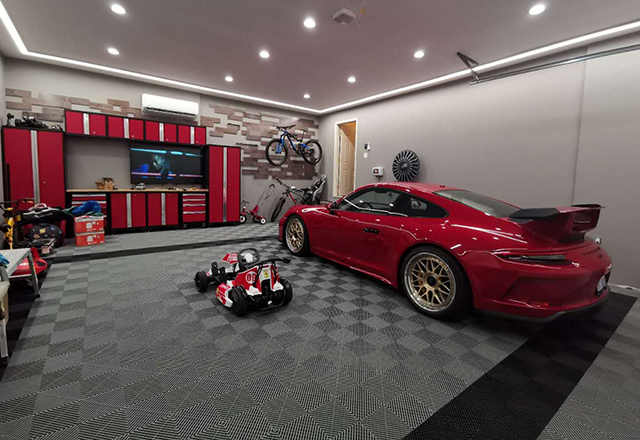
health club flooring Winning in 2025 Custom Solutions,
Top Selling Products
- Related Blog
- Reviews
