
Industrial Floor Covering Wholesale from Manufacturers
From the first contact, I focus on delivering an industrial floor covering solution that stands up to heavy traffic, chemical spills, and daily wear. For Wholesale buyers and Manufacturers, I offer flexible bulk pricing, fast lead times, and certified materials that meet industry standards. I source durable vinyl, epoxy, and rubber options that install quickly with minimal downtime, saving you both time and money. My approach emphasizes long-term value: slip resistance, easy cleaning, and resistance to abrasion keep maintenance costs low. I can tailor thickness, surface texture, and color to fit your facility's needs, whether you run a warehouse, manufacturing line, or cold storage. With dependable supply chains and clear documentation, you can quote confidently to your own customers. If you're planning a big roll-out or multi-site project, let's align on specs and timeline so your project stays on track.
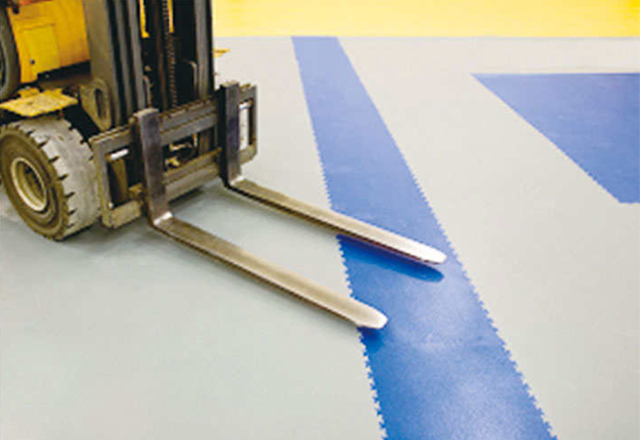
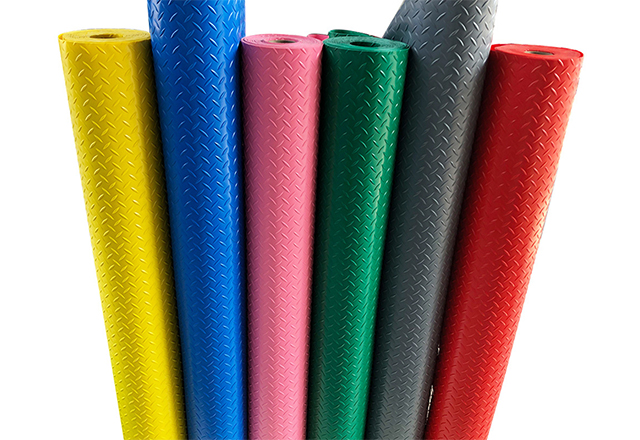
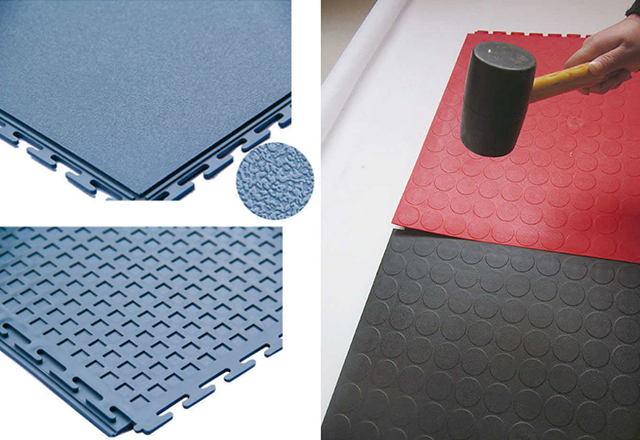
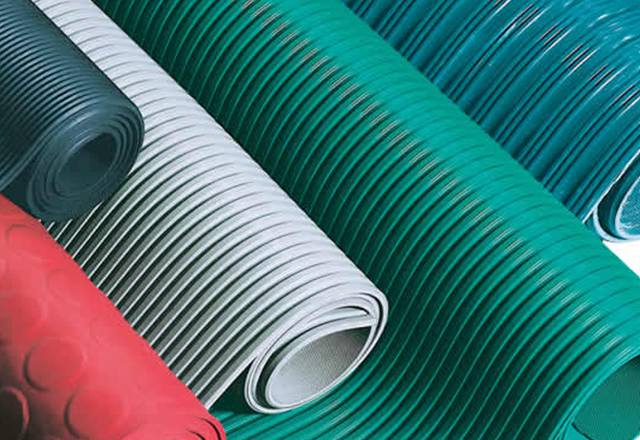
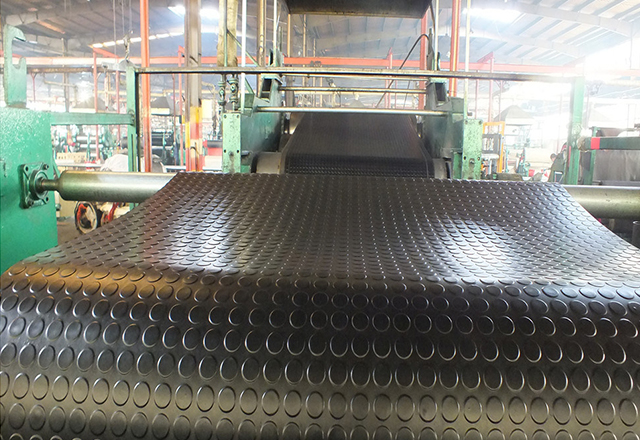
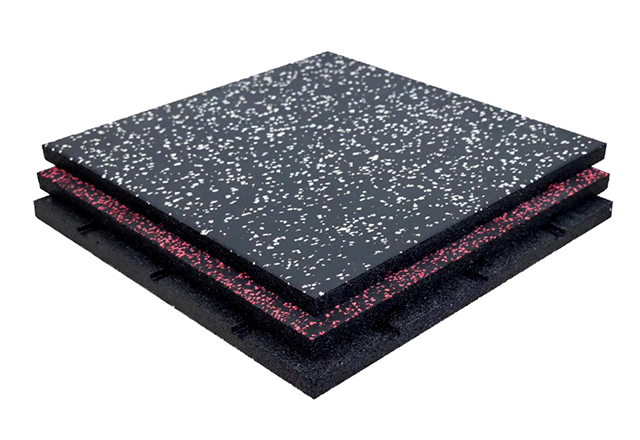
industrial floor covering Is The Best For the Current Year
Industrial floor coverings are the smart choice for global buyers this year thanks to unmatched durability, safety and total cost of ownership. Modern systems deliver heavy-load resistance, chemical and abrasion protection, slip-resistant textures and easy cleaning—reducing downtime and maintenance costs. Modular products allow fast installation and phased upgrades to keep operations running, while antimicrobial and low‑VOC formulations meet heightened hygiene and sustainability demands. When sourcing internationally, prioritize certified materials, consistent quality control and transparent logistics to secure timely delivery and predictable lead times. Opt for suppliers offering customization in thickness, surface pattern and color, plus clear specifications for load ratings, fire class and warranties. The right industrial flooring improves operational efficiency, worker safety and lifecycle ROI, making it the best investment for the current year.
| Material Type | Common Application | Typical Thickness (mm) | Expected Service Life (yrs) | Slip Resistance COF (dry / wet) | Chemical Resistance | Thermal Conductivity (W/m·K) | Maintenance Frequency | TVOC (µg/m³) | Recyclability (%) | LEED Potential Points |
|---|---|---|---|---|---|---|---|---|---|---|
| Epoxy Resin (industrial) | Warehouses, manufacturing, laboratories | 2–6 | 5–15 | 0.60 / 0.45 | High (solvents & many acids) | 0.18–0.25 | 1–7 cleans/week | <500 (cured) | 30–60 | 1–3 |
| Polyurethane (PU) Seamless | Food processing, pharmaceutical, kitchens | 2–6 | 7–20 | 0.65 / 0.50 | Very High (alkalis & many chemicals) | 0.15–0.20 | 1–5 cleans/week | <300 (cured) | 25–50 | 1–4 |
| Vinyl Composition Tile (VCT) | Retail, offices, light industrial | 2–4 | 10–20 (with maintenance) | 0.50 / 0.40 | Medium (many cleaners OK) | 0.12–0.18 | daily–weekly | 50–200 | 70–90 | 1–3 |
| Polished Concrete (in situ) | Heavy industrial, distribution centers, showrooms | slab dependent | 20–100+ | 0.60 / 0.55 | Medium (surface sealer affects resistance) | ~1.2–1.6 | low (dust control daily) | ~0 (inert) | ~100 (in-situ reuse) | 2–6 |
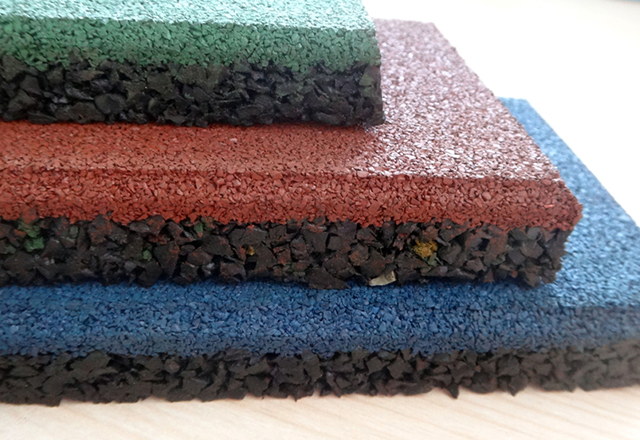
| Rubber (industrial) | Cold storage, food prep, anti-fatigue zones | 6–12 | 10–25 | 0.70 / 0.60 | Medium (resists abrasion, moderate chemicals) | 0.12–0.16 | weekly | <100 (varies) | 40–80 | 1–2 |
| Cementitious Overlay / Topping | Repair, resurfacing, industrial kitchens | 3–10 | 10–30 | 0.55 / 0.45 | Medium–High (with protective sealers) | 0.8–1.0 | weekly | ~0 (inert) | 80–100 | 1–3 |
| Porcelain Tile (industrial grade) | Wash-down areas, food prep, high-cleanliness zones | 8–12 | 30–50 | 0.65 / 0.55 (textured) | Very High (acid & alkali resistant) | 0.8–1.2 | low–regular cleaning | 0 | 70–100 | 1–3 |
| Conductive / ESD Epoxy | Electronics manufacturing, ESD-sensitive assembly | 2–5 | 5–15 | 0.60 / 0.45 | High (good solvent and chemical resistance) | 0.20–0.30 | daily (ESD housekeeping) | <500 (cured) | 30–50 | 1–2 |
Related Products
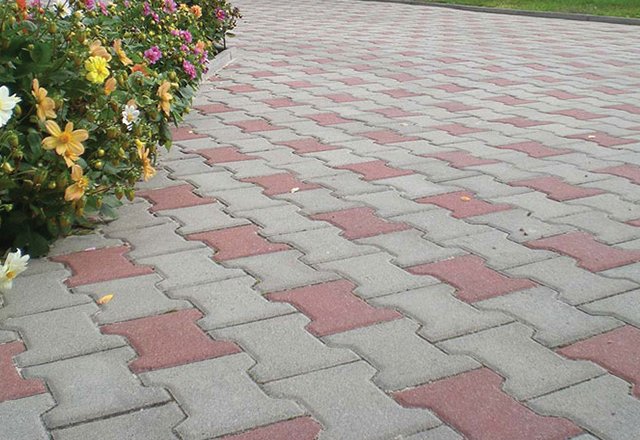
industrial floor covering Where Service Meets Innovation Service Backed by Expertise
Top Selling Products
- Related Blog
- Reviews
