
Interlocking PVC Floor Tiles - China Manufacturer
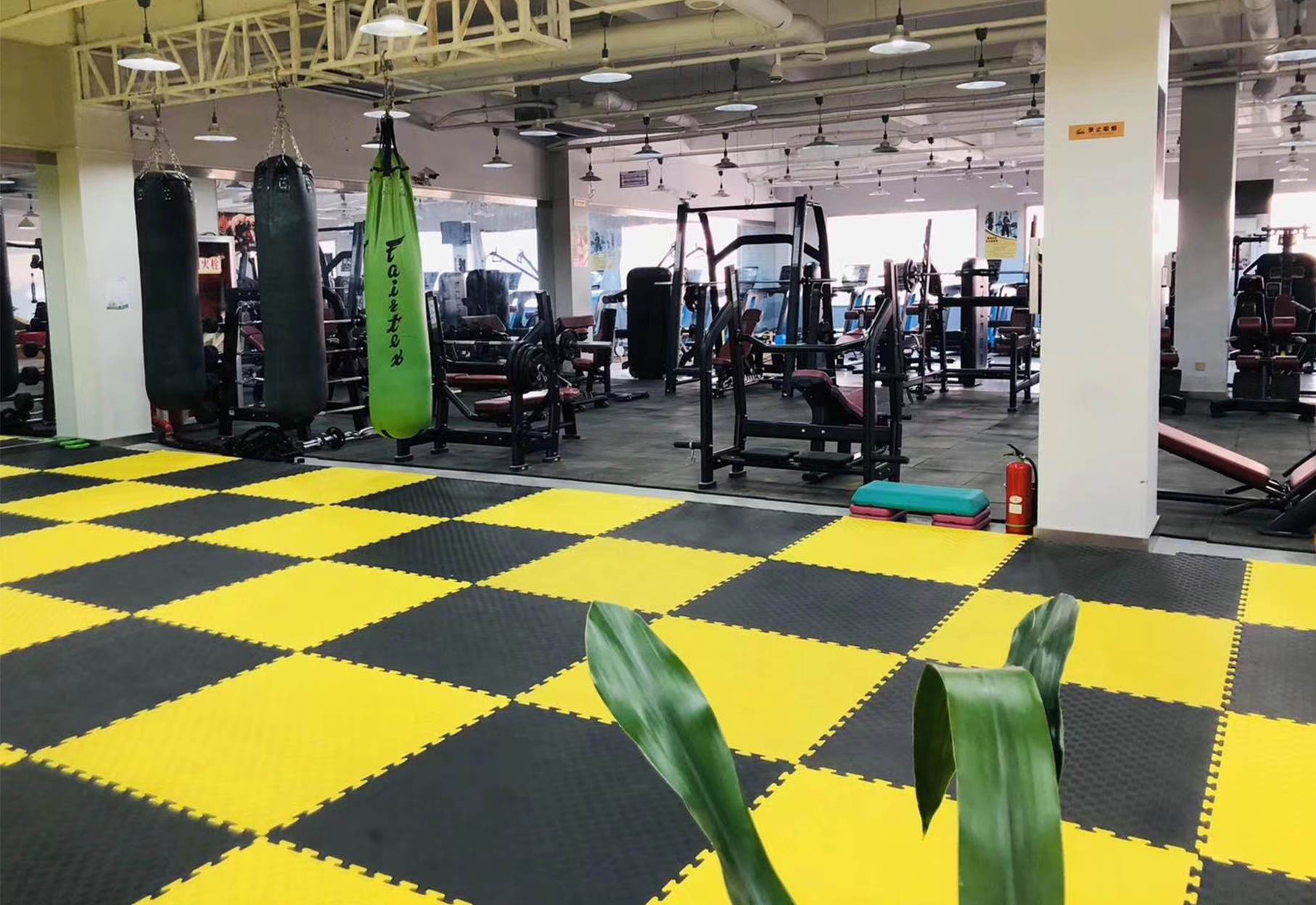
From our factory in China, I deliver interlocking PVC floor tiles that stand up to heavy traffic and long-term use. As a manufacturer, I understand what B2B buyers need: fast installation, easy replacement, and cost efficiency. Our tiles snap together without tools, install over concrete or existing substrates, and resist water, oil, and chemicals. With a wear-resistant PVC surface, anti-slip texture, and UV stability, they stay bright and safe in warehouses, workshops, gyms, and retail spaces. We offer custom colors, patterns, and thicknesses to fit your project and budget, with ready stock and scalable production. Our QA process ensures consistent thickness, edge alignment, and interlock strength. In short, if you’re sourcing with China suppliers, you’ll appreciate transparent pricing, short lead times, and reliable after-sales support. I’m here to help you pick the right size and color to maximize durability and return on investment.
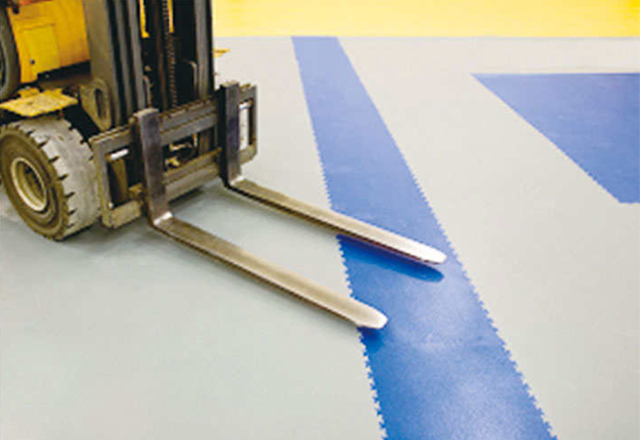
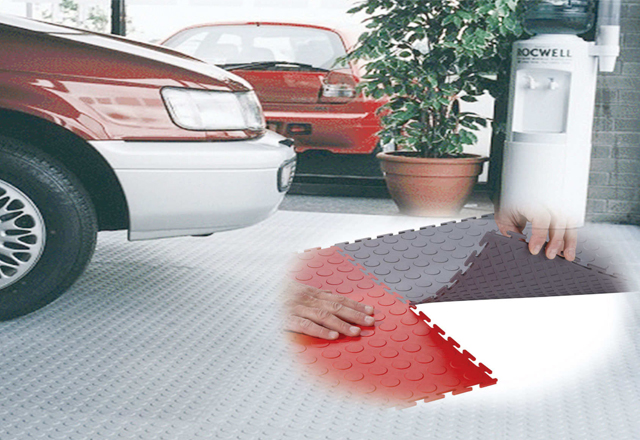
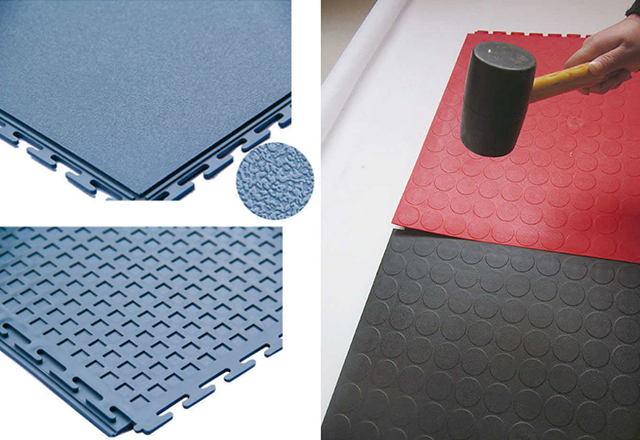
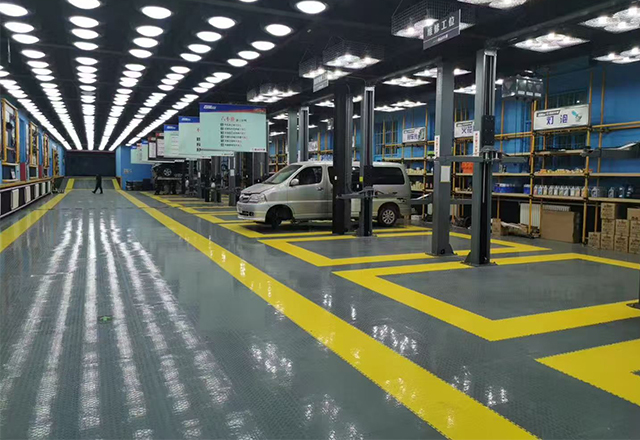
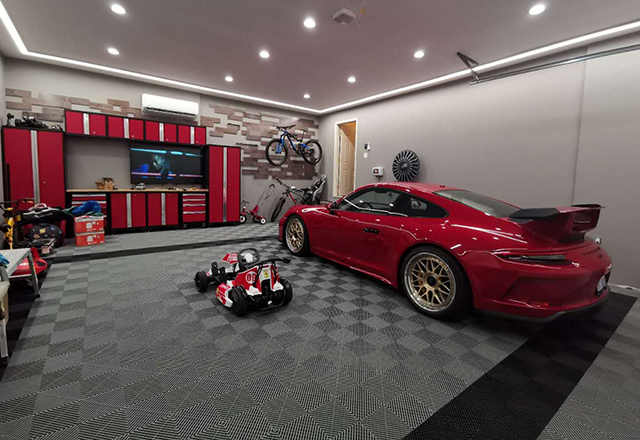
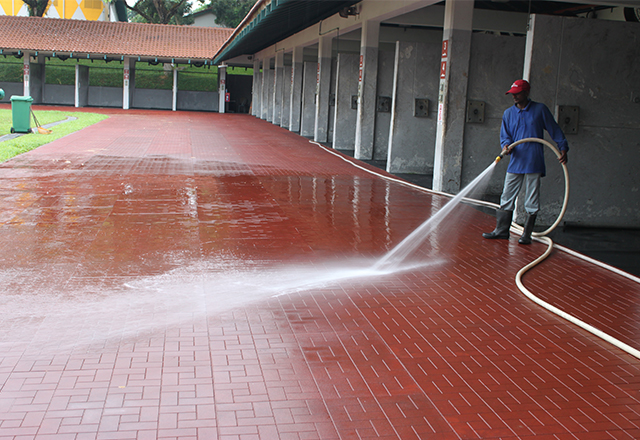
interlocking PVC floor tiles Pioneers in the Field Exceeds Industry Benchmarks
Interlocking PVC floor tiles have redefined resilient flooring for global projects, combining modular installation with performance that exceeds industry benchmarks. Engineered to deliver superior wear resistance, impact and chemical resilience plus reliable anti-slip properties, they perform in gyms, manufacturing, retail and exhibition spaces. Precision interlocks enable fast, glue-free fitting and simple replacement, cutting installation time and lifecycle costs. Backed by decades of manufacturing experience and rigorous quality control, production uses high-grade materials, in-line inspection and independent testing to meet ISO/EN/ASTM standards. Flexible customization (colors, thicknesses, logos), scalable capacity, eco-conscious formulations and dependable logistics make these tiles ideal for procurement teams seeking traceable quality, competitive pricing and global supply reliability. Explore how interlocking PVC solutions can optimize safety, durability and total cost of ownership for your next project.
interlocking PVC floor tiles Pioneers in the Field Exceeds Industry Benchmarks
| Property | Unit / Standard | Typical Value (2.0 / 3.0 / 5.0 mm) | Test Method / Benchmark | Notes |
|---|---|---|---|---|
| Base material | Composition | Calcium-zinc stabilized PVC with mineral fillers (homogeneous formulation) | Industry typical formulation | Formulation optimized for dimensional stability and recyclability |
| Density | g/cm³ | 1.45 / 1.45 / 1.45 | ISO 1183 (typical measurement) | Consistent density across thicknesses for uniform performance |
| Thickness options | mm | 2.0 / 3.0 / 5.0 | Production tolerance ±0.1 mm | Common commercial and light-industrial options |
| Tensile strength | MPa | 26 / 28 / 30 | ISO 527 (typical for vinyl) | Higher values on thicker tiles due to backing mass |
| Elongation at break | % | 70 / 80 / 95 | ISO 527 | Good flexibility reduces edge cracking on interlocks |
| Hardness | Shore D | 56 / 58 / 60 | ISO 7619 | Balanced for wear resistance and comfort |
| Abrasion resistance (Taber) | mg loss (CS-10, 1000 cycles) | 150 / 120 / 80 | ASTM D4060 | Lower loss = better long-term wear; thicker tiles perform best |
| Coefficient of friction | Static COF (dry / wet) | 0.63 / 0.58 / 0.54 (dry) • 0.48 / 0.46 / 0.45 (wet) | ASTM D2047 / ramp testing reference | Meets common pedestrian safety benchmarks in both conditions |
| Reaction to fire | Classification | Bfl-s1 (typical formulation) | EN 13501-1 (reaction to fire) | Low smoke and limited flame spread under standard tests |
| Thermal conductivity | W / (m·K) | 0.17 / 0.17 / 0.16 | ASTM C177 / ISO reference values | Typical for vinyl composites; slightly better insulation with thicker backing |
| Impact sound reduction | dB (ΔLw) | 12 / 15 / 20 | ISO 10140 series | Thicker tiles improve impact noise attenuation |
| Water absorption | % (24 h) | 0.18 / 0.15 / 0.12 | ISO 62 (typical) | Low absorption supports durability in damp environments |
| TVOC (air after 28 days) | µg/m³ | < 250 / < 220 / < 180 | ISO 16000 series (chamber testing) | Typical measured TVOC levels well within common indoor-air guidance values |
| Recyclability (post-industrial) | % | ~90 / ~90 / ~90 | Material lifecycle assessment references | Designed for recycling and reuse of offcuts |
| Expected lifecycle (commercial) | Years | 7 / 10 / 15 | Field performance reference | Depends on traffic and maintenance; thicker tiles extend service life |
| Installation productivity | m² / installer / hr | 2.0 / 1.8 / 1.2 | Field data (typical interlocking installs) | Surface prep and pattern complexity affect actual rates |
| Maintenance | Schedule | Daily light cleaning; annual deep clean and inspection | Manufacturer best practices (industry) | Routine care preserves slip performance and appearance |
| Applicable test references | Standards / Methods | Commonly referenced: ASTM D4060 (Taber abrasion), ASTM D2047 (static COF), EN 13501-1 (reaction to fire), ISO 16000 (VOC testing), ISO 10140 (acoustic). Individual project requirements may specify additional test suites. | ||
Related Products
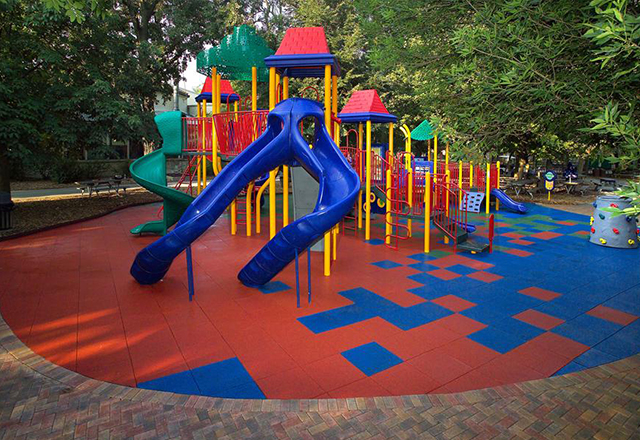
interlocking PVC floor tiles Dominates Service Backed by Expertise
Interlocking PVC Floor Tiles: Installed Area vs. Service Satisfaction by Application Sector
Interlocking PVC floor tiles show varied adoption and service reception across key application sectors. The bar chart above compares two dimensions for each sector: Installed Area (thousand square meters) and Service Satisfaction (percentage). Residential and Commercial segments account for the largest installed areas, indicating broad adoption driven by cost-effectiveness and ease of installation. Sports Facilities register a smaller installed footprint but the highest service satisfaction, reflecting focused procurement and performance-driven maintenance with specialized installers. Industrial usage shows a substantial installed area but comparatively lower satisfaction, which may signal higher performance demands or inadequate after-sales responsiveness in heavy-use environments. Schools and Education present modest installed area with solid satisfaction scores, likely due to standardized procurement and scheduled maintenance cycles. Cross-sector patterns suggest several actionable implications: prioritizing targeted service programs in Industrial settings could raise satisfaction where usage intensity is highest; leveraging best practices from Sports Facilities and Education—where satisfaction is strong—could improve consistency across Commercial and Residential installations; and monitoring installed-area growth in Commercial segments can identify where proactive service scaling is needed to avoid drops in customer experience as volumes increase. For operations and strategic planning, it is useful to combine installed-area telemetry with service metrics to allocate maintenance resources and specialized training. Over time, tracking trends in both dimensions will reveal whether improvements in service processes translate into higher retention and faster adoption in adjacent sectors. This combined metric approach supports data-driven prioritization of training, spare-part inventories, and field technician deployment to maximize uptime and customer satisfaction across diverse application environments.
Top Selling Products
- Related Blog
- Reviews
