
Livestock Rubber Mats from China Manufacturer - Durable and Safe
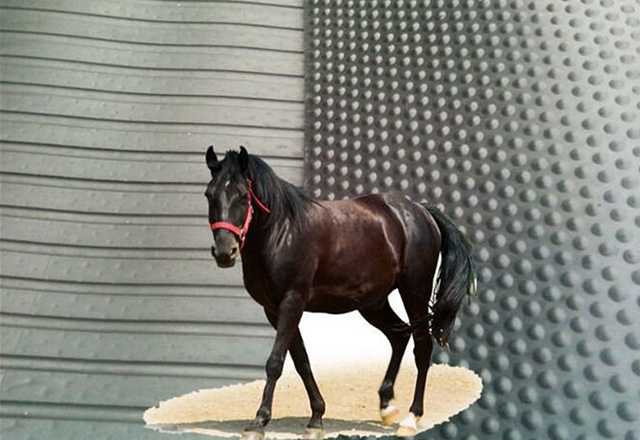
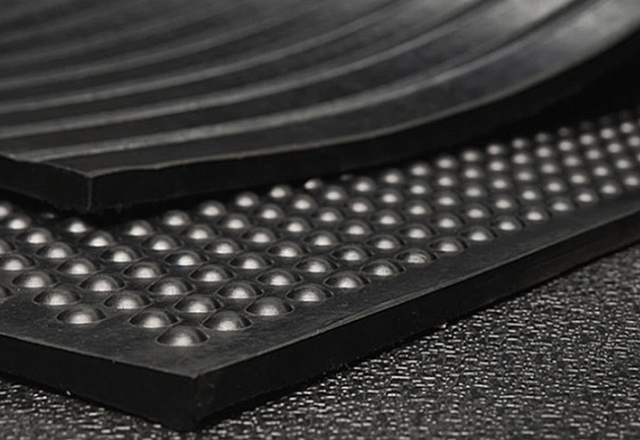
From the moment you contact us, I speak as a China-based manufacturer of livestock rubber mats. I know what every farm needs: durability, easy cleaning, and long service life. Our mats stand up to heavy feeding, hooves, and slippage, with non-slip underside and resilient surface. I can offer a range of thicknesses and sizes to fit stalls, pens, and walkways. For distributors and feed companies, we provide scalable production, strict quality control, and competitive pricing. We source premium vulcanized rubber, resistant to manure and urine, easy to sanitize, salt and weather resistant. We customize edge profiles, drainage channels, and color to match your barn. We ship from our facility in China, with reliable lead times and secure logistics. If you looking to stock up on livestock rubber mats, we can help you reduce injuries and maintenance costs while improving animal welfare. Contact me for samples, price sheets, and bulk discounts. We are ready to be your dependable partner.

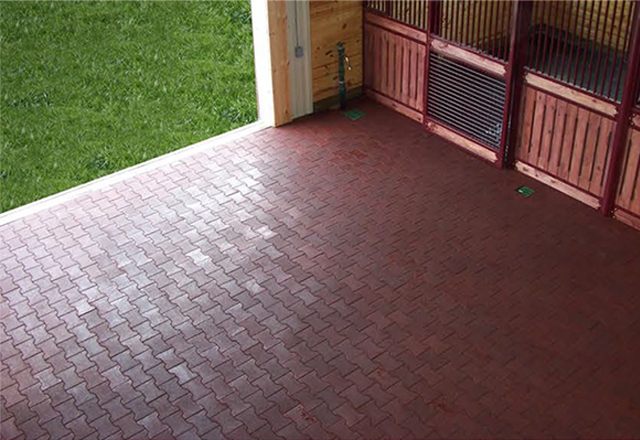
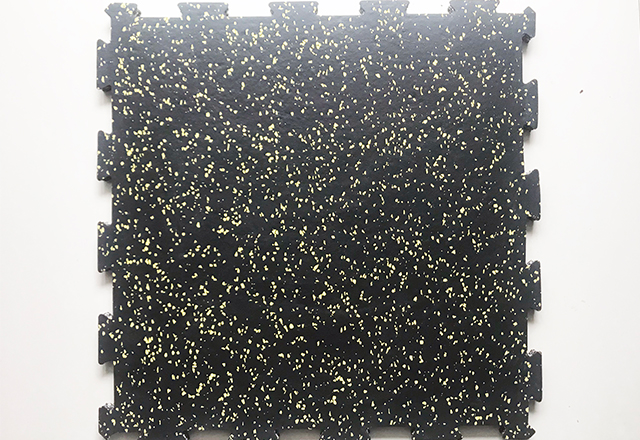
livestock rubber mats Where Innovation Meets 2025 Outperforms the Competition
Across farms, feedlots, and dairy operations, livestock rubber mats have evolved from simple coverings to intelligent performance systems. By 2025, new elastomer compounds and surfaces deliver superior slip resistance, steadier footing, and fast drainage. Perforated and interlocking designs reduce water buildup, while color-coded patterns help separate wet and dry zones and guide cleaning. Increased abrasion resistance and UV stability extend life in harsh climates, and antimicrobial additives suppress odor and bacteria. Modular mats fit curved stalls and irregular layouts, enabling quick installation without tools. Global buyers seek predictable quality, total cost of ownership, and resilient supply chains. Mats balance hardness and comfort to protect hoof health while resisting sanitizers and fertilizers. They ship in scalable sizes with regional certifications in mind and offer customizable thickness, drainage options, and edge trims to suit housing systems and climates. The result is reliable performance and healthier livestock across markets.
{ livestock rubber mats Where Innovation Meets 2025 Outperforms the Competition }
| Variant | Size (L x W mm) | Thickness (mm) | Material | Interlock Type | Surface Pattern | Dry Slip Coefficient | Wet Slip Coefficient | Compressive Yield (MPa) | Abrasion (mm3/1000 cycles) | Thermal Conductivity (W/mK) | Antimicrobial | Cleanability (1-5) | Warranty (years) | Origin |
|---|---|---|---|---|---|---|---|---|---|---|---|---|---|---|
| A | 1200 x 900 | 20 | Nitrile Rubber | Interlocking | Diamond | 0.72 | 0.48 | 2.8 | 110 | 0.25 | Yes | 4 | 5 | Europe |
| B | 1000 x 600 | 15 | EPDM Rubber | Interlocking | Ribbed | 0.65 | 0.44 | 2.1 | 95 | 0.22 | No | 4 | 3 | Asia |
| C | 600 x 900 | 12 | Natural Rubber | Butt Joint | Grooved | 0.60 | 0.40 | 1.8 | 120 | 0.15 | No | 3 | 2 | North America |
| D | 1500 x 750 | 25 | Nitrile Rubber | Interlocking | Diamond | 0.78 | 0.52 | 3.2 | 90 | 0.28 | Yes | 5 | 7 | Europe |
| E | 900 x 600 | 30 | Recycled Rubber Blend | Butt Joint | Ribbed | 0.62 | 0.38 | 1.9 | 105 | 0.21 | No | 3 | 3 | Oceania |
Related Products
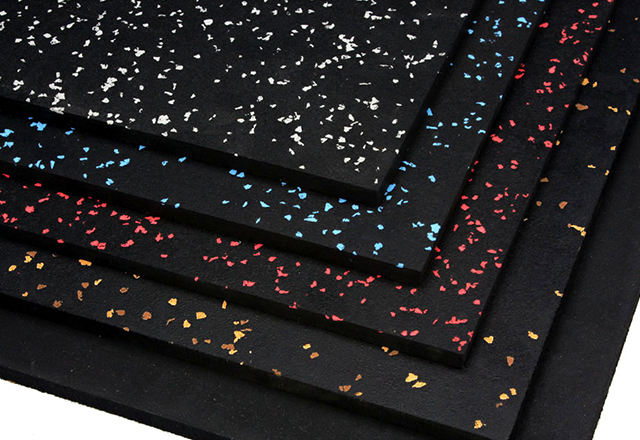
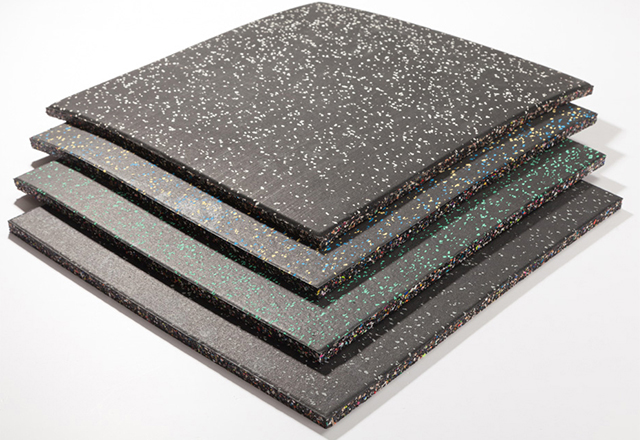

livestock rubber mats Supplies the World\u2019s Top Brands Factory-Direct Excellence
Top Selling Products

- Related Blog
- Reviews
