
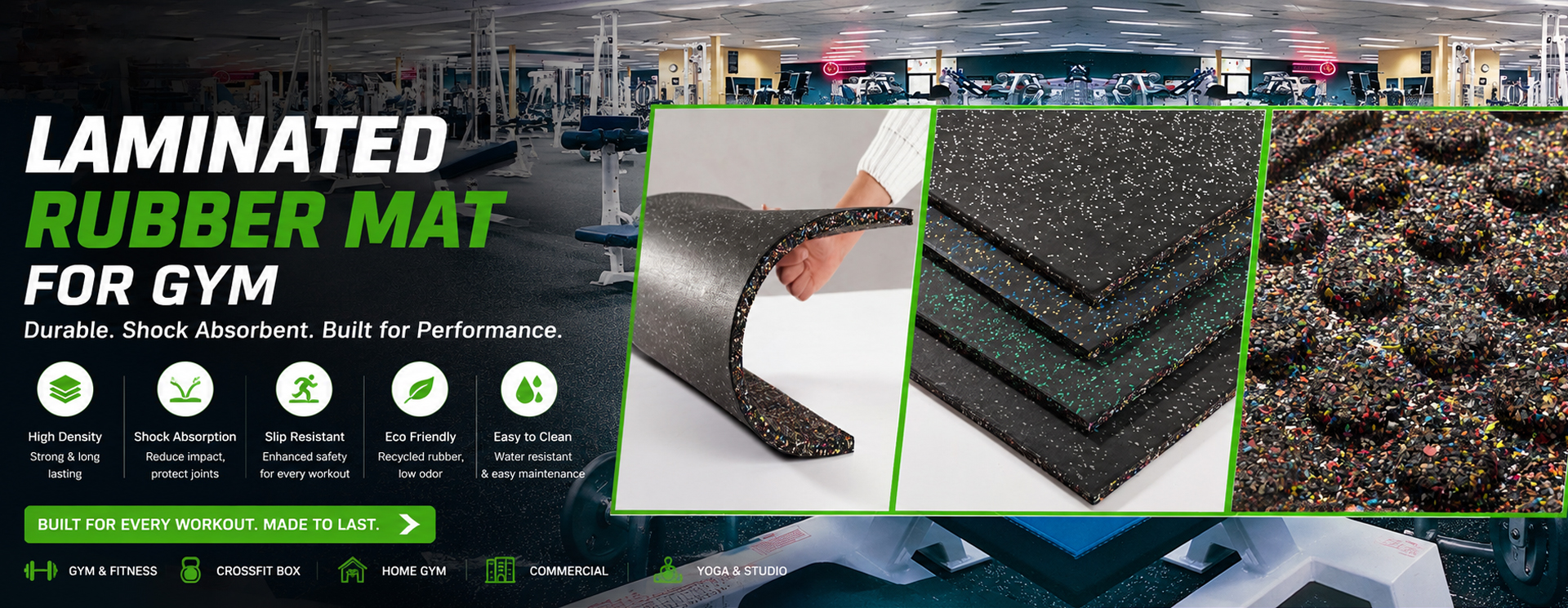
Shock Absorbing Gym Flooring - High-Quality Supplier
As a dedicated Supplier of High-Quality shock absorbing gym flooring, I know the value of safety, performance, and long-term cost efficiency. Our system delivers superior impact absorption, reducing joint strain during aerobics, weightlifting, and high-impact training. The surface provides excellent grip, is easy to clean, and resists wear in high-traffic facilities. It comes in modular tiles or rolls, making installation quick with minimal downtime for your clients. I’ve worked with health clubs, schools, and corporate wellness centers to tailor thickness and color options to match brand and floor plans. Each sheet is engineered for durability, moisture resistance, and stable dimensional stability under heavy equipment. As a trusted Supplier, I stand behind prompt lead times, reliable documentation, and after-sale support. If you’re sourcing for new builds or upgrades, this shock absorbing gym flooring offers safety, comfort, and value that your buyers will appreciate, without sacrificing on aesthetics or performance.
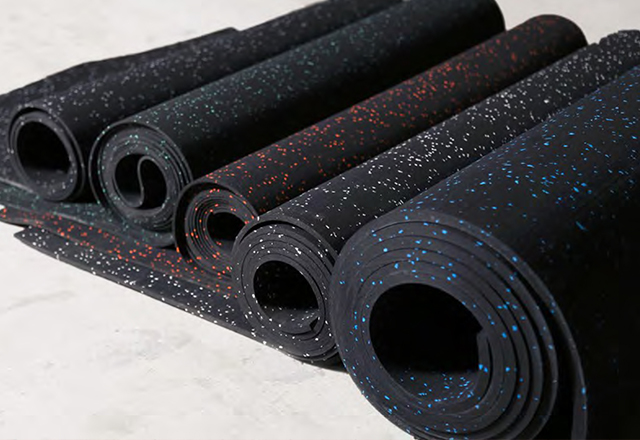
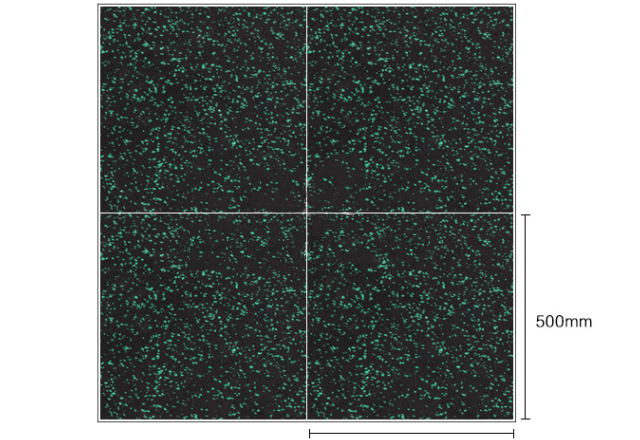
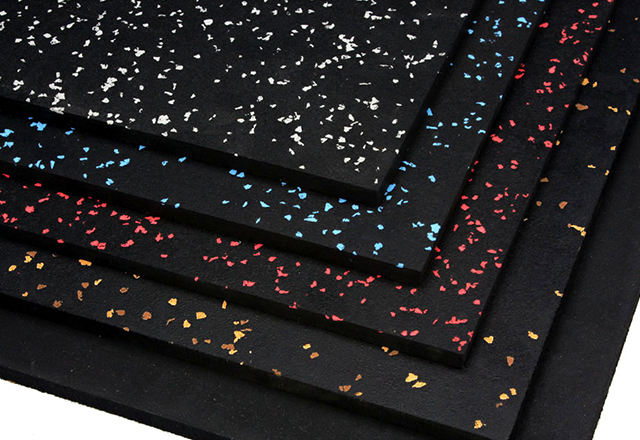
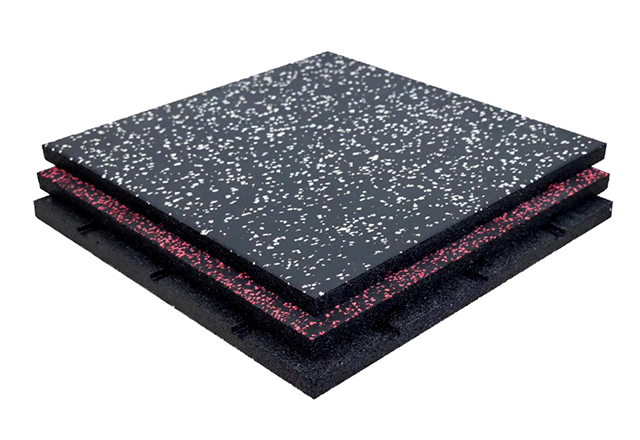
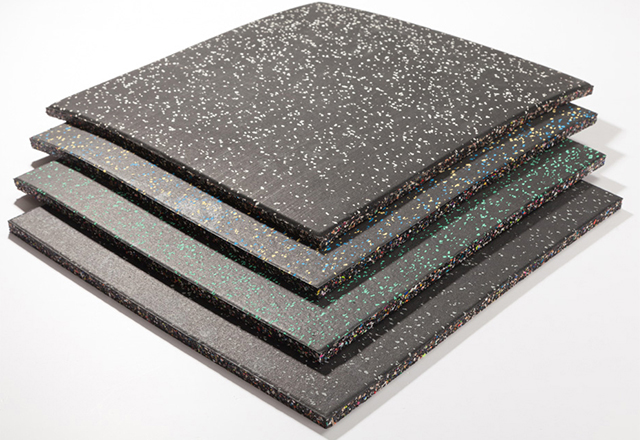
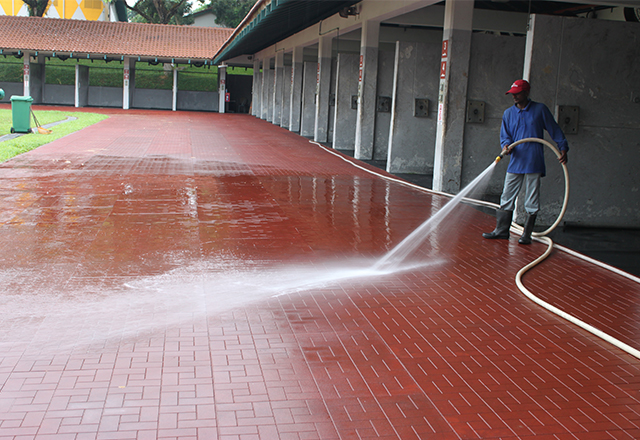
shock absorbing gym flooring Your Trusted OEM Partner From Concept to Delivery
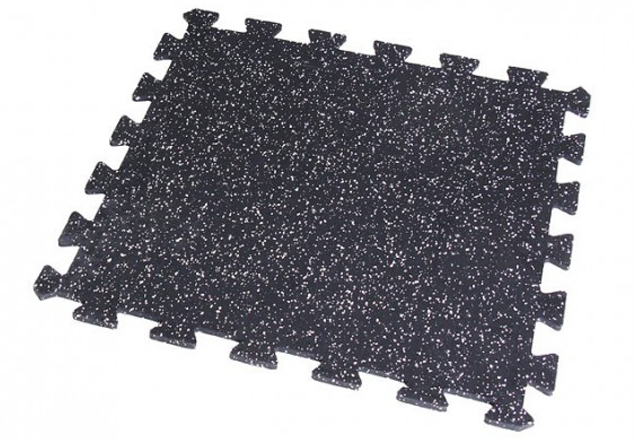
As a trusted OEM partner for shock absorbing gym flooring, we guide global buyers from concept to delivery through a streamlined, risk‑free process. We tailor interlocking tiles, rolls, or seamless systems to your space, sport, and climate, adjusting thickness, resilience, and surface grip for safety and easy maintenance. Durable rubber compounds with protective layers deliver stable, long‑lasting performance under heavy use while keeping costs down. From ideation and material selection to tooling, prototyping, and mass production, our end‑to‑end workflow supports global procurement. Rigorous testing, dimensional control, and market certifications ensure worldwide availability. Flexible tooling and reliable logistics enable on‑time delivery to sites worldwide. Partnering with us means a responsive supplier treating each project as a custom solution from concept to delivery.
| Specification | Details | Typical Range / Standard |
|---|---|---|
| Product Type | Roll goods, interlocking tiles, and loose-lay tiles designed for gym and fitness facilities with shock-absorbing construction. | Roll / Tile |
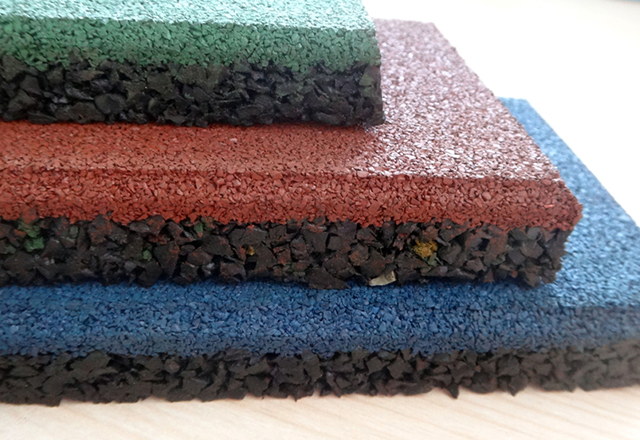
| Material Composition | SBR recycled rubber base with optional EPDM wear layer (surface color granules) or homogeneous virgin rubber blends for higher durability. | SBR + EPDM |
| Thickness Options | Available in common commercial thicknesses to match use-case: thin protective surfaces to deep shock-absorbing underlayment. | 6, 8, 10, 12, 15, 20, 25, 30 mm |
| Density | Nominal bulk density varies by product construction (recycled vs. virgin). Higher density options increase durability and load capacity. | ~750 – 1,200 kg/m³ |
| Weight per Area | Area weight depends on thickness and density; used for transport planning and subfloor load calculations. | ~5 – 25 kg/m² |
| Shore A Hardness | Surface and base hardness are controlled for balance between comfort, protection, and equipment stability. | 50 – 70 Shore A |
| Shock Absorption | Measured as percent shock absorption under standardized laboratory tests; higher values reduce impact transmitted to users and subfloor. | 25% – 60% (per EN 14808) |
| Energy Attenuation / Impact Performance | Performance measured using accepted impact test methods; suitable selections protect athletes and equipment in free-weight and functional zones. | Tested per EN 14809 / EN 14808 |
| Compression Set | Elastic recovery after sustained compression; important for long-term flatness and equipment stability. | < 8% (ASTM D395 typical) |
| Slip Resistance (COF) | Surface finish and EPDM granule profiles provide traction under dry and damp conditions for safe training environments. | Dry ≥ 0.60 / Wet ≥ 0.55 (typical) |
| Fire Classification | Products are tested for reaction to fire and smoke generation; classification depends on formulation and thickness. | EN 13501-1: Bfl-s1 (typical) |
| Acoustic Performance | Rubber layers reduce impact noise and floorborne transmission—valuable in multi-storey facilities and shared buildings. | ΔLw ≈ 6 – 14 dB (dependent on thickness) |
| Thermal Conductivity | Affects comfort underfoot and subfloor temperature management; rubber provides modest thermal insulation compared with hard finishes. | 0.15 – 0.25 W/m·K |
| UV & Colour Stability | EPDM wear layers are UV-stabilized for color retention in moderate outdoor or high-UV indoor exposure; long-term performance depends on exposure intensity. | ΔE < 5 (after accelerated UV tests — product dependent) |
| Chemical Resistance | Resistant to perspiration, common cleaning agents (pH neutral). Avoid prolonged contact with strong solvents or oils. | Suitable for standard gym cleaners |
| Installation Methods | Flexible installation options to match facility needs: full adhesive, loose-lay with double-sided tape, or interlocking tiles for quick replacement. | Glue-down / Loose-lay / Interlock |
| Manufacturing Tolerances | Tolerances kept tight to ensure consistent seams and ease of installation across large projects. | Thickness ±0.5 mm · Width ±2 mm · Length ±1% |
| Certifications & Testing | Third-party testing and management system certifications support product safety and consistent quality control. | CE, ISO 9001, ISO 14001, REACH compliant, SGS tested |
| Recommended Applications | Free-weight areas, cardio zones, group fitness studios, functional training, rehabilitation centers, and light outdoor fitness courts. | Indoor / Semi-outdoor |
| Maintenance | Daily dry cleaning (sweep/vacuum). Periodic damp mopping with a pH-neutral detergent. Deep cleaning with rotary scrubber when required. Avoid harsh solvents. | Routine care |
| Sustainability | High recycled-content options available; designed for recyclability at end-of-life where local facilities exist. Lifecycle choices reduce landfill impact. | Up to ~90% recycled content (SBR base) |
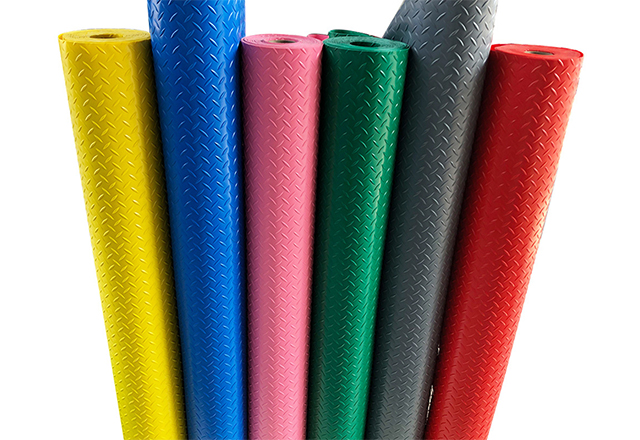
| Color Options | Solid black, black with EPDM color flecks (red, blue, green, gray), or custom EPDM wear layer colors for studio branding and zoning. | Standard & custom |
| Packaging & Delivery | Rolls on cardboard cores, tiles stacked on pallets with protective wrapping and edge protection; packing optimized for shipment safety and site handling. | Roll / Pallet |
| Typical Lead Time | Manufacture and delivery time varies with order size, specification, and finishing; plan accordingly for project schedules. | 2 – 6 weeks (project dependent) |
| Warranty (Commercial) | Commercial-use warranty terms vary with the specification chosen and installed conditions; typical coverage reflects expected service life under normal gym use. | 5 – 10 years (typical) |
Related Products
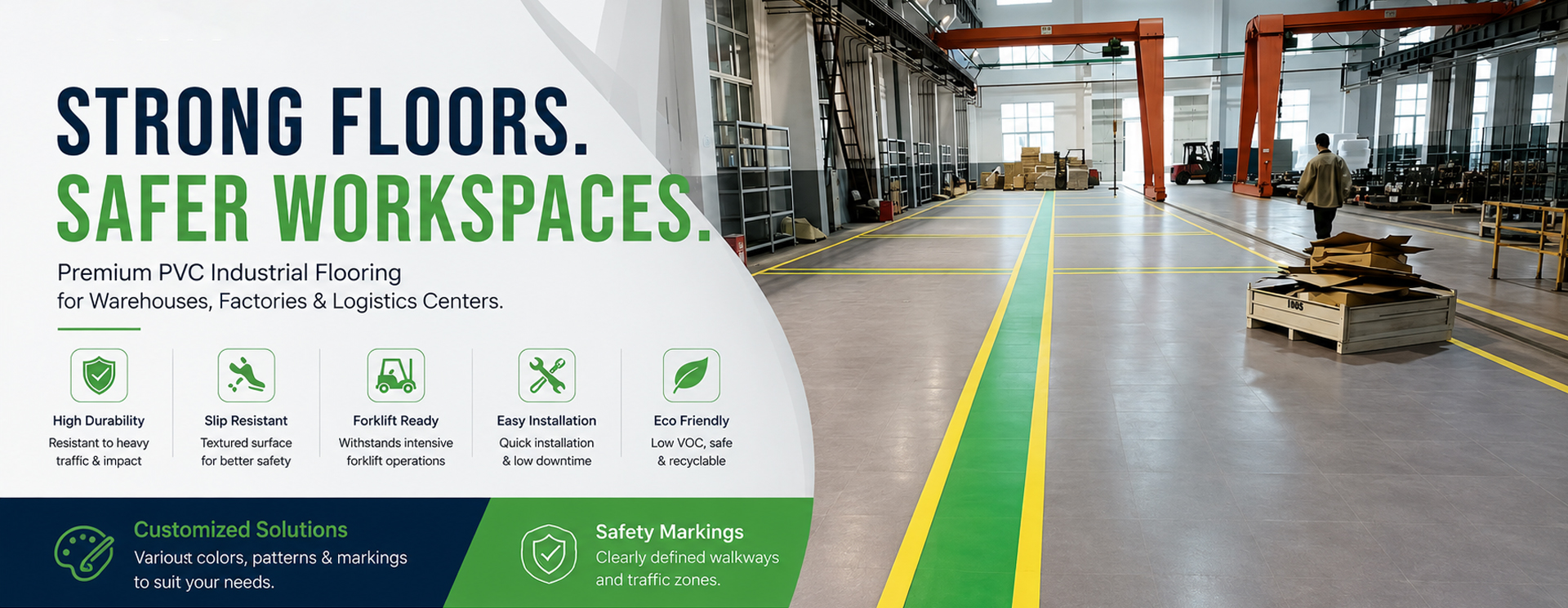
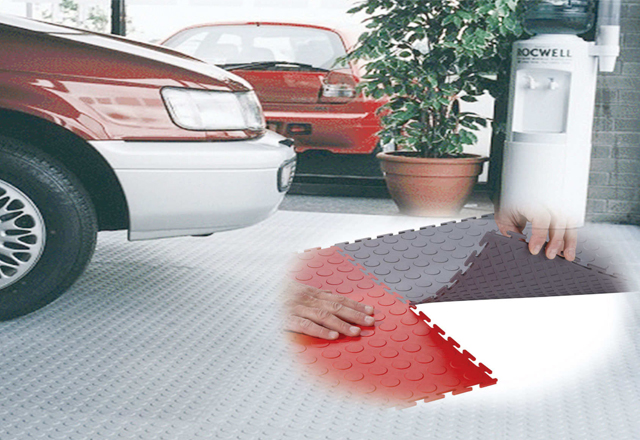
Industrial Interlocking PVC Floor Tiles for Working Forklifts | Heavy Duty Factory PVC Flooring
Read More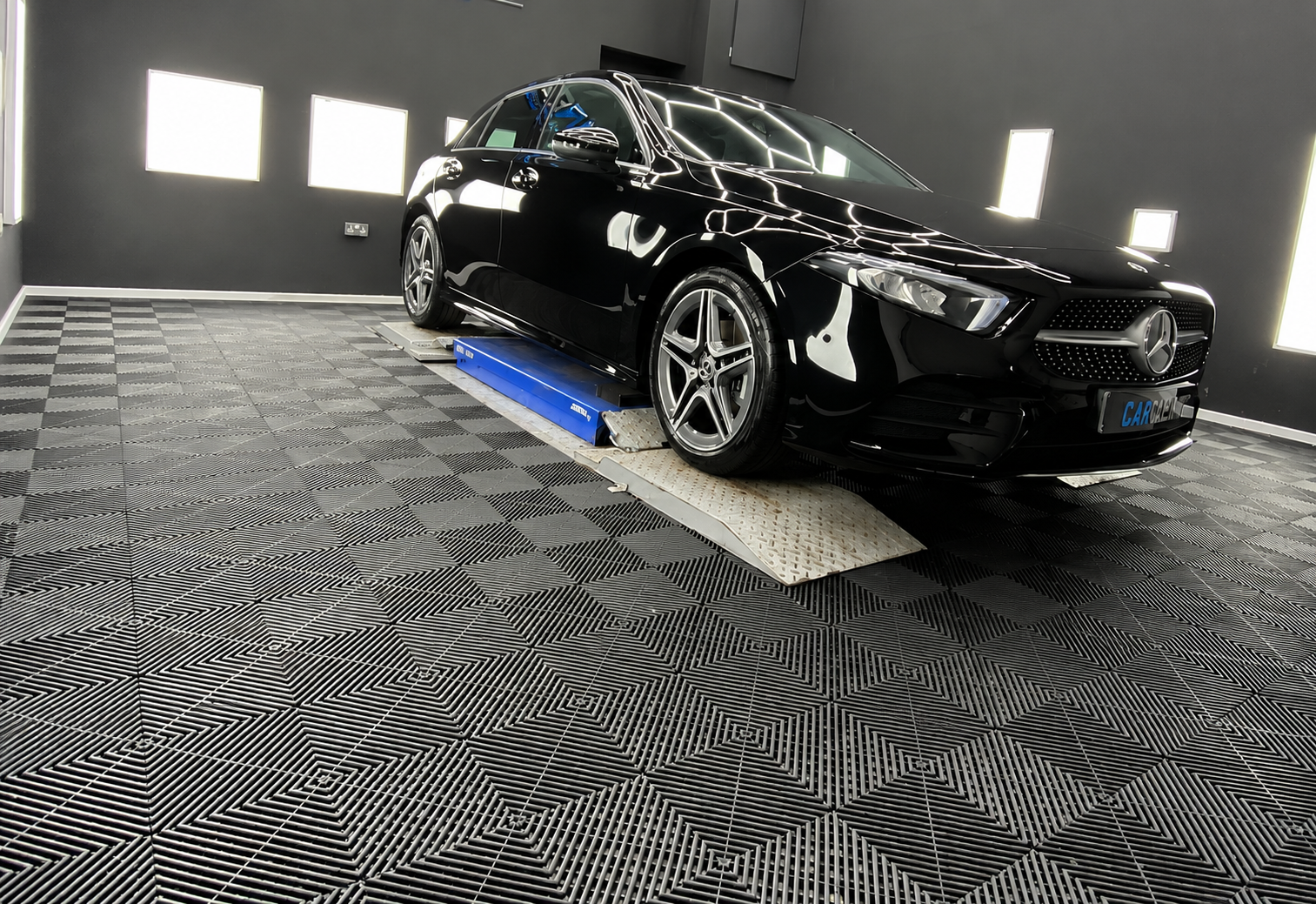
shock absorbing gym flooring Stands Out Where Service Meets Innovation
Top Selling Products
- Related Blog
- Reviews
